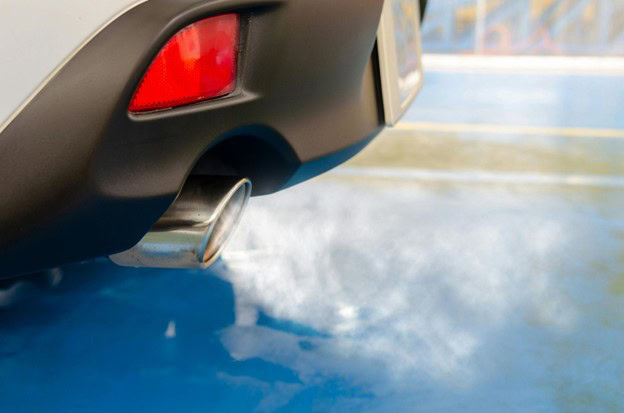
SMOG Check Process

Understanding the SMOG Check Process: A Step-by-Step Guide for Lomita Residents

Let’s face it, vehicle inspections are never the highlight of anyone’s day. But if you live in Lomita, CA, getting a SMOG check is just part of being a responsible driver. Whether you’re new to the area or have owned your car for years, understanding the emissions testing process can make your next visit significantly smoother. In this guide, we’ll break down what a SMOG check is, why it’s important, how the process works, and what you need to know to keep your car road-legal and compliant with California’s strict environmental standards.

What is a SMOG Check?

A SMOG check is a type of emissions testing required by the state of California to measure the amount and type of pollutants your vehicle releases into the atmosphere. It’s designed to ensure that your vehicle meets the state’s air quality regulations and helps reduce harmful emissions that contribute to smog and air pollution. Think of it as a routine health checkup but for your car’s exhaust system. If your vehicle fails, you’ll need to make the necessary repairs before it can pass and be registered with the DMV.

Why SMOG Checks Matter in Lomita

Lomita, like most cities in Los Angeles County, falls under California’s enhanced emissions testing areas. That means the local air quality concerns are serious enough that the state mandates stricter vehicle compliance rules. SMOG checks aren’t just a formality; they’re part of a larger effort to protect public health and the environment.

By reducing vehicle emissions, we cut down on pollutants like nitrogen oxides, hydrocarbons, and carbon monoxide, major contributors to smog. That’s especially important in sunny Southern California, where smog can hang heavy in the air during warm months.

Check out this EPA resource on smog and air pollution to get more insights on the matter.

SMOG Check Process

Step-by-Step: What to Expect During Your SMOG Check

Here’s how the process usually goes:

  1. Know When It’s Required

Most gasoline-powered vehicles in California that are more than 8 years old require a SMOG check every two years (biennially). You’ll typically get a notice in the mail with your DMV registration renewal stating whether a test is required.

Some vehicles may need a check when:

  • You’re registering an out-of-state vehicle in California
  • You’re selling your car
  • The DMV specifically requests a STAR-certified test
  1. Find a Certified SMOG Check Station in Lomita

There are three types of stations:

  • Test-Only Stations – Only perform emissions testing.
  • Test and Repair Stations – Can test and fix any issues.
  • STAR Certified Stations – Meet higher performance standards and handle tests for vehicles flagged by the DMV.

To stay safe, choose a certified location like Hillside Auto Clinic in Lomita, which offers SMOG check services as part of their complete automotive care.

  1. Prepare Your Vehicle

Before heading in, here are a few quick tips to help your car pass:

  • Drive for 15-20 minutes beforehand to ensure the engine is warm.
  • Make sure your “Check Engine” light is OFF. If it’s on, your car will fail automatically.
  • Top off fluids and ensure your gas tank is at least a quarter full.
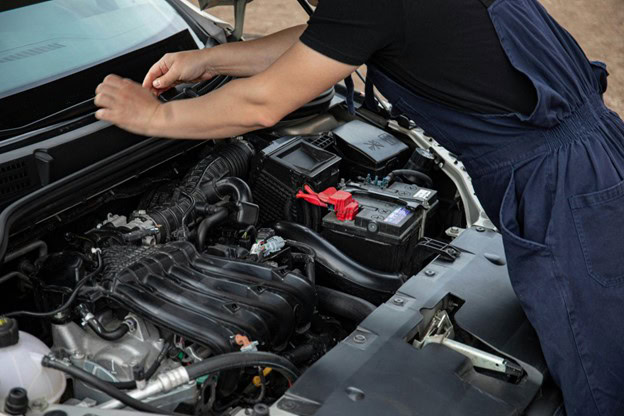
SMOG Check Process

  1. Get the Test Done

The technician will connect your vehicle to a diagnostic tool that reads emissions data from the onboard computer. Depending on the car’s model year, it may also undergo a tailpipe test and visual inspection of emissions components. The entire process typically takes between 15 and 30 minutes.

  1. Review the Results

You’ll receive a Vehicle Inspection Report (VIR) that shows whether your vehicle passed or failed. If you passed, awesome! Your results are sent electronically to the DMV. If not, the report will include diagnostic codes or reasons for failure.

What Happens If You Fail?

Don’t panic. Failing a SMOG check doesn’t mean your car is doomed.

You’ll need to get the emissions-related issue repaired; it’s necessary for vehicle compliance. This could be something simple like replacing a faulty oxygen sensor or something more complex like fixing a catalytic converter. Once the repair is made, you’ll return for a retest.

Pro tip: If you’re on a tight budget, look into the Consumer Assistance Program (CAP) offered by the California Bureau of Automotive Repair. It helps cover repair costs for eligible vehicle owners.

Tips to Improve Your Chances of Passing

Here are some smart moves that could save you time and money:

  • Regular maintenance is key. Oil changes, air filter replacements, and spark plug inspections all play a role in emissions control.
  • Use fuel additives that clean your engine and fuel system. Ask your mechanic what’s best for your car.
  • Avoid testing right after disconnecting the battery – it can reset your onboard diagnostics and lead to an automatic fail.

Do Hybrid and Electric Vehicles Need SMOG Checks?

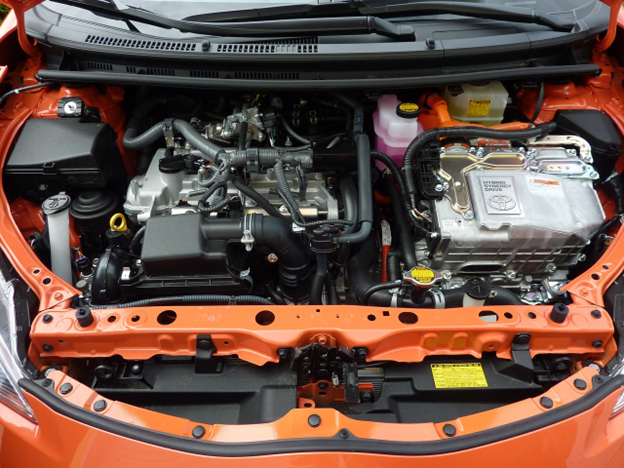
Good question! As of now, fully electric vehicles are exempt. However, hybrids do require SMOG testing in California, though the testing method might differ slightly. If you’re unsure, your local auto repair shop in Lomita can tell you exactly what’s required based on your make and model.

Stay Compliant and Breathe Easy With Hillside Auto Clinic in Lomita, CA

At Hillside Auto Clinic, we understand that getting a SMOG check can feel like just another errand, but it doesn’t have to be a hassle. As a certified SMOG station and full-service auto repair shop in Lomita, CA, we’re here to make the process quick, honest, and stress-free.

With over 10 years of experience and more than 10,000 vehicles serviced, our team of dedicated technicians is committed to keeping your vehicle safe, compliant, and running at its best. We don’t just perform emissions tests, we offer clear communication, practical solutions, and fair pricing so you can drive away with confidence.

Whether you’re due for your biennial test, selling your vehicle, or registering from out of state, Hillside Auto Clinic is your trusted partner for reliable emissions testing and expert automotive care. Don’t wait for a registration deadline to sneak up, book your SMOG check at Hillside Auto Clinic today and drive clean, drive confident.

Schedule your appointment now or stop by our Lomita location!
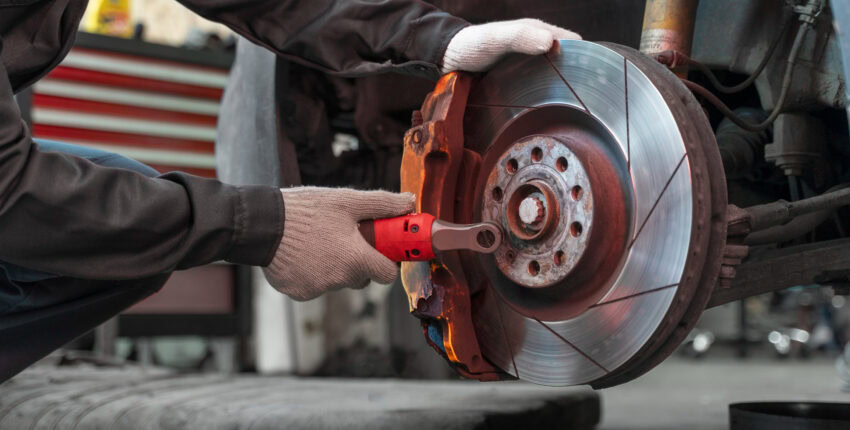
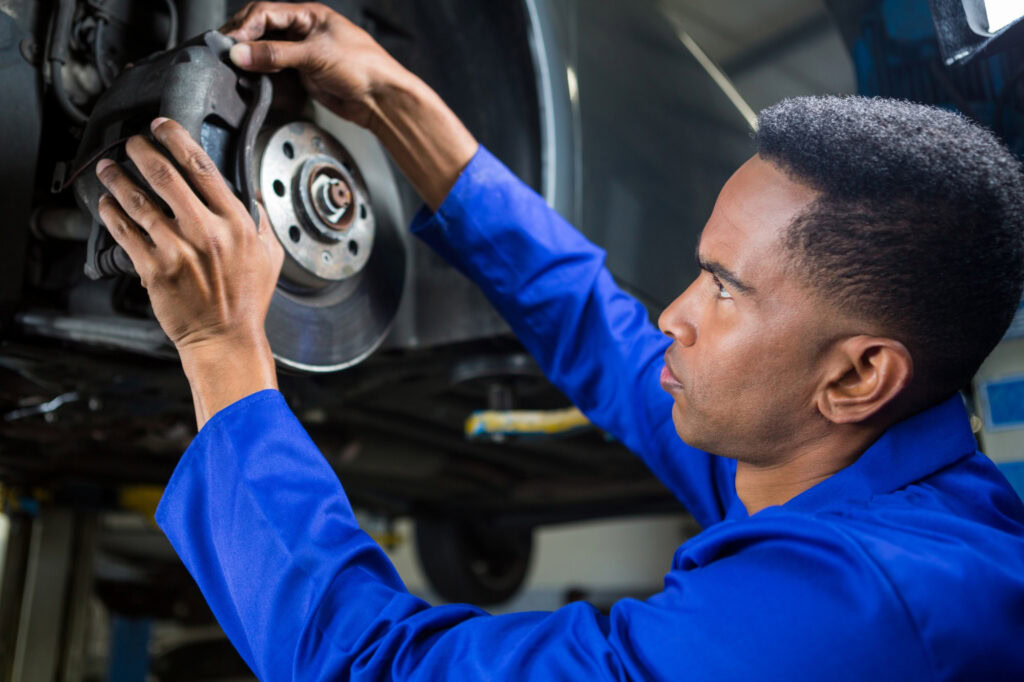
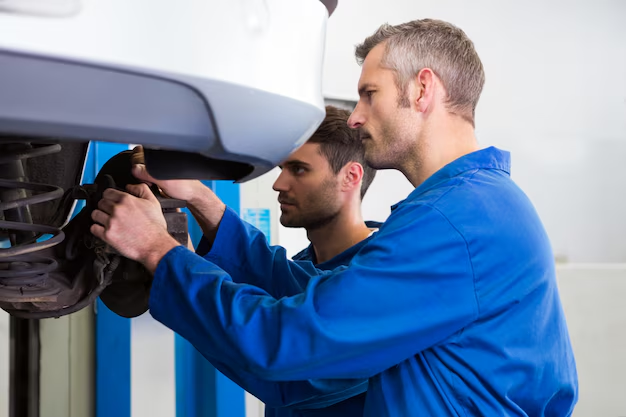
Expert mechanic conducting brake repairs

Ensuring Your Safety: Expert Brake Repairs & Replacements in Lomita, CA

Your vehicle’s brakes are one of its most vital safety systems. Whether you’re navigating daily traffic in Lomita or heading out on a weekend road trip, your ability to stop safely and predictably can mean the difference between avoiding an accident and becoming part of one. Yet many drivers tend to overlook their brakes until something feels “off.” That squealing noise, spongy pedal, or vibration when braking can be more than just an inconvenience—it’s a warning sign that your vehicle may need professional brake repair.

At Hillside Auto Clinic, we understand just how important reliable stopping power is. Our team of experienced mechanics provides expert brake repair in Lomita to keep you and your passengers safe. From brake pad replacement to ABS diagnostics, we use advanced tools and top-quality OEM parts to restore your brakes to peak performance.

Why Your Brakes Matter More Than You Think

Your brakes don’t just stop your vehicle; they protect everyone on the road. Every time you press the brake pedal, an intricate system of components springs into action—pads, rotors, calipers, brake fluid, and more—working together to slow you down smoothly and safely. When even one of these components starts to wear or fail, your car’s ability to stop on time is compromised.

Ignoring small brake problems can quickly lead to bigger (and more expensive) issues. Worn brake pads, for example, can damage your rotors, leading to a costly replacement. Issues with your anti-lock braking system (ABS) can affect your vehicle’s stability during emergency stops or on slick roads.

In short, healthy brakes aren’t optional—they’re essential for car safety in Lomita and beyond.

Signs You May Need Brake Repairs

Many brake issues start subtly, but if you know what to watch for, you can catch problems early. Here are some common symptoms that indicate it’s time for brake service:

  • Squealing or grinding noises: This is often the sound of worn brake pads. If ignored, the metal-on-metal contact can damage your rotors.
  • Vibration or pulsation when braking: Warped rotors or uneven wear can cause your brake pedal or steering wheel to vibrate when you slow down.
  • Spongy or soft brake pedal: If your brake pedal feels mushy, it could be a sign of air in the brake lines or a problem with your brake fluid.
  • Increased stopping distance: Does it feel like your car takes longer to stop? This can be dangerous and is a clear signal that your brakes need attention.
  • ABS warning light on the dashboard: Your anti-lock braking system plays a crucial role in maintaining control during sudden stops. If the ABS light comes on, schedule ABS diagnostics in Lomita as soon as possible.

Any of these symptoms is reason enough to have your brakes inspected by a certified technician.

The Importance of Professional Brake Pad Replacement

Brake pads are one of the most frequently replaced components in your braking system. They create the friction needed to slow your wheels, and over time, that friction wears them down. At Hillside Auto Clinic, we perform expert brake pad replacement in Lomita using premium-quality parts designed to last.

Installing low-quality pads may save you a few dollars upfront, but they wear out faster and can compromise your safety. We use only OEM factory parts, so you can feel confident every time you hit the brakes. Plus, our skilled mechanics inspect your entire brake system during the service, ensuring that other components—like rotors, calipers, and brake fluid—are in good working order.

How Hillside Auto Clinic Keeps You Safe

Hillside Auto Clinic has become Lomita’s trusted source for comprehensive brake repairs thanks to our commitment to quality, transparency, and customer satisfaction. Here’s what sets us apart:

  1. Certified Expertise – With over 10 years of experience, our technicians understand the intricacies of modern braking systems, including advanced ABS diagnostics.
  2. OEM Factory Parts – We never cut corners with cheap replacements. Every part we install is built to meet or exceed manufacturer standards.
  3. Comprehensive Inspections – We don’t just fix the immediate issue; we evaluate your entire brake system for potential problems to keep you safe.
  4. Best Price Guarantee – We believe car safety in Lomita shouldn’t break the bank. Our brake services are competitively priced, and we often offer special discounts.
  5. Warranty Protection – Enjoy peace of mind with our 12-month/12,000-mile parts and labor warranty.

When you bring your car to us, you’re not just getting repairs—you’re getting a team that genuinely cares about your safety.

Don’t Forget About Brake Fluid

Brake fluid may not get as much attention as pads or rotors, but it’s equally important. This fluid transfers the force from your foot on the brake pedal to the brake components at each wheel. Over time, brake fluid can become contaminated with moisture, reducing its effectiveness and leading to a soft pedal feel.

Mechanic conducting brake repairs

At Hillside Auto Clinic, we’ll check your brake fluid level and quality as part of your brake service. If it needs to be flushed and replaced, we’ll take care of it using the proper type recommended for your vehicle.

Financing Your Brake Repairs

We know that unexpected car repairs can be stressful. That’s why we offer flexible financing through Snap Finance. With our Fix Now, Pay Later option, you can get the brake repairs you need today and spread out the cost with manageable payments. There’s no credit needed, and we’ll help you set up a plan that works for your budget.

Your safety is too important to delay, and with our financing options, there’s no reason to put off essential brake maintenance.

The Connection Between Brakes and Overall Car Safety

Healthy brakes don’t just protect you during sudden stops—they also support other systems in your car. For instance, if your brakes are worn, your tires and suspension have to work harder, leading to uneven tire wear and reduced handling. And a failing ABS system can compromise your vehicle’s traction control, especially on wet or icy roads.

By addressing brake issues promptly, you’re not only improving your stopping power but also preserving the overall health and performance of your vehicle.

Stay Ahead with Routine Maintenance

One of the best ways to avoid costly repairs is by having your brakes inspected regularly. At Hillside Auto Clinic, we recommend checking your brakes at least once a year—or more often if you drive frequently in heavy traffic, tow a trailer, or navigate hilly terrain.

Our general maintenance services in Lomita include everything from oil changes and filter replacements to thorough brake inspections. Staying ahead on maintenance can save you time, money, and stress in the long run.

Take Action Before It’s Too Late

Brake issues rarely fix themselves. In fact, they usually get worse the longer you wait. If you’ve noticed any signs of trouble—unusual noises, vibrations, warning lights, or decreased stopping power—don’t put it off.

Hillside Auto Clinic is ready to help with expert brake repair in Lomita. Our skilled team will diagnose the problem, explain your options clearly, and get you back on the road quickly and safely.

Schedule your brake service today by calling Hillside Auto Clinic or visiting our shop in the heart of Lomita, CA. Remember, your brakes are your vehicle’s first line of defense when it comes to safety. Let our trusted mechanics restore your reliable stopping power so you can drive with confidence every day.

mechanic with spare parts hands near open box with tools

What Happens During an Engine Tune-Up: A Comprehensive Overview

Your car’s engine is a finely tuned machine—when everything’s running smoothly, you get reliable performance, good gas mileage, and peace of mind. But just like your body needs regular checkups, your engine needs routine attention to keep it healthy. That’s where an engine tune-up comes in.

At Hillside Auto Clinic in Lomita, CA, we perform comprehensive engine tune-ups that go beyond just replacing spark plugs. We dig into the heart of your vehicle to ensure it’s performing its best. But what actually happens during this process? Let’s take a look at what a modern tune-up includes, how it benefits your vehicle, and why it’s an essential part of vehicle maintenance.

Why Engine Tune-Ups Still Matter

In decades past, tune-ups were needed much more frequently. Older cars relied heavily on mechanical timing and carburetors that went out of sync easily. Today’s engines are more efficient and controlled by advanced electronics—but that doesn’t mean tune-ups are obsolete.

Modern engine tune-up processes are more about inspection, testing, and preventive care. Instead of just “tuning,” technicians look for wear, clean vital components, and ensure all systems are working together. It’s about optimizing performance, preventing breakdowns, and maintaining fuel economy.

Signs Your Car May Need a Tune-Up

Your car probably won’t shout, “Hey, I need a tune-up!”—but it will drop hints. Look out for these common signs:

  • Difficulty starting the engine

  • Decreased fuel efficiency

  • Rough idling or engine misfires

  • Hesitation during acceleration

  • A noticeable drop in power

  • Check Engine Light coming on

If your car is showing any of these symptoms, it’s a smart move to get it checked. A performance improvement may be as simple as a basic tune-up.

What Actually Happens During an Engine Tune-Up?

At Hillside Auto Clinic, an engine tune-up isn’t a one-size-fits-all job. Different vehicles and engine types require different attention. However, most tune-ups follow a similar multi-point checklist. Here’s a breakdown of what you can expect:

1. Spark Plug Replacement

Spark plugs are small, but they play a huge role in how your engine runs. They ignite the air-fuel mixture in each cylinder, and if they’re worn out, your car’s performance suffers. During a tune-up, we’ll:

  • Remove old spark plugs

  • Check for carbon build-up or wear

  • Install new, high-quality OEM spark plugs

Replacing spark plugs restores proper ignition and improves engine response.

2. Ignition System Check

The ignition system includes the ignition coils, wires, distributor cap (if equipped), and other components that ensure spark delivery. If one part fails, it can affect your whole engine. We test and inspect:

  • Ignition timing (on older vehicles)

  • Coil packs or ignition wires

  • Battery and charging system

A weak ignition system can cause misfires, sluggishness, and hard starts. We ensure it’s all working properly.

3. Fuel System Cleaning

Fuel injectors spray gasoline into the engine, but over time, they can clog or become inefficient. Our technicians may recommend:

  • Fuel injector cleaning

  • Fuel filter replacement

  • Fuel system pressure testing

A clean fuel system leads to more efficient combustion and better gas mileage.

4. Air Filter and Cabin Filter Replacement

Your engine needs clean air to breathe. If the air filter is clogged, the engine struggles to get the oxygen it needs. During a tune-up:

  • We inspect and replace the air filter

  • We also check the cabin air filter to keep your interior air fresh

This simple step can improve performance and fuel economy instantly.

5. PCV Valve Inspection

The Positive Crankcase Ventilation (PCV) valve helps release engine pressure and reduce harmful emissions. A clogged PCV valve can cause poor idling and oil leaks. We inspect and replace it as needed.

Auto technicians discussing vehicle repairs

6. Throttle Body Cleaning

Over time, the throttle body can get dirty with carbon buildup. This affects how much air enters the engine and causes erratic idling or slow response. We clean it to restore smooth throttle performance.

7. Sensor Checks and Diagnostics

Modern engines rely on a network of sensors—from oxygen sensors to mass airflow sensors—that tell the engine computer how to manage fuel and air. If these sensors are failing, it can trigger a Check Engine Light. We use diagnostic tools to scan the system and:

  • Read trouble codes

  • Interpret sensor data

  • Recommend any necessary repairs

This step is crucial in modern tune-ups, ensuring everything is in sync electronically.

8. Fluid Checks and Top-Offs

While not always considered part of a traditional tune-up, we go the extra mile at Hillside Auto Clinic. Our technicians inspect and top off:

  • Engine oil

  • Transmission fluid

  • Coolant

  • Brake fluid

  • Power steering fluid

  • Windshield washer fluid

This adds a layer of protection and keeps all systems running reliably.

9. Battery and Charging System Test

The battery is your car’s power hub. We test:

  • Battery voltage and health

  • Alternator output

  • Starter draw

A weak battery can mimic engine problems—testing it ensures you’re not stuck with a misdiagnosis.

How Often Should You Get an Engine Tune-Up?

The frequency of tune-ups depends on your vehicle’s make, model, and age. As a rule of thumb:

  • Older vehicles (with distributors and carburetors): every 15,000–30,000 miles

  • Newer vehicles (with coil-on-plug ignition and fuel injection): every 60,000–100,000 miles

Always check your owner’s manual, or better yet—ask us. At Hillside Auto Clinic, we know what your specific vehicle needs and when.

The Benefits of Regular Engine Tune-Ups

Still wondering if an engine tune-up is worth the time and money? Here’s what you get when you invest in one:

  • Improved fuel efficiency – a clean and balanced engine burns less gas

  • Stronger performance – your car accelerates and responds better

  • Longer engine life – routine care prevents bigger, costlier issues

  • Fewer emissions – essential if you want to pass your next SMOG check

  • Peace of mind – no strange noises, lights, or rough starts

A tune-up is a small cost compared to major engine repairs down the line.

Engine Tune-Ups and Your SMOG Check

If you’re in Lomita, you’re probably familiar with California’s strict emissions laws. Did you know a neglected engine is one of the top reasons for SMOG test failures?

A fresh tune-up ensures that your car is running clean and efficiently, reducing emissions and helping you pass your test the first time. At Hillside Auto Clinic, we’re a certified SMOG testing station, and we’re here to help you stay compliant without the stress.

Ready to Get Your Engine Back on Track?

Whether your car’s acting up or it’s just time for some routine vehicle maintenance, Hillside Auto Clinic in Lomita is your go-to destination. Our experienced auto technicians provide thorough engine tune-up services designed to restore performance, improve reliability, and keep you driving with confidence. We only use OEM factory parts, and all work is backed by our 12-month/12,000-mile warranty.

Worried about the cost? We’ve got your back with Snap Finance—a flexible, no-credit-needed payment option that lets you fix now and pay later. No more putting off important work. Just schedule your appointment, and we’ll handle the rest.

Call Hillside Auto Clinic today or book your appointment online to experience professional service, honest diagnostics, and real results. We’re proud to be Lomita’s trusted auto repair shop—and we’re here to help your car run better, longer.

Female mechanic inspecting under the vehicle

Understanding ABS: How Anti-lock Braking Systems Work and Their Benefits

Imagine you’re cruising through Lomita on a rainy afternoon. Suddenly, the car in front of you slams on the brakes. You instinctively stomp on your brake pedal—and instead of skidding uncontrollably, your car pulses gently and comes to a controlled stop. That’s not luck. That’s your Anti-lock Braking System (ABS) kicking in.

ABS technology is one of the most important safety features on modern vehicles, yet many drivers don’t really know how it works, or just how much it does to protect them on the road. If you’ve ever wondered what ABS is all about, how it functions, and why it matters, this guide is for you.

Let’s break it down in simple, no-nonsense terms.

What Is ABS and Why Was It Invented?

ABS stands for Anti-lock Braking System. In essence, it’s a safety system designed to prevent your wheels from locking up during hard braking. When a wheel locks—meaning it stops rotating while the car is still moving—it causes the tire to skid. That skid reduces your control and increases your stopping distance.

Back in the day, before ABS technology became standard, drivers had to “pump” their brakes manually in emergencies to avoid a skid. It took skill, timing, and luck. ABS automates that entire process using sensors and onboard electronics. It works faster than any human ever could, applying and releasing braking pressure at just the right times to keep your tires gripping the road.

How Does Anti-lock Braking Work?

At its core, ABS is a computer-controlled system that monitors wheel speed and controls brake pressure. Here’s a step-by-step look at what happens:

  1. Wheel Speed Sensors: Each wheel has sensors that constantly measure how fast it’s spinning. The ABS computer (called the control module) uses this information to detect when a wheel is about to lock up.
  2. Hydraulic Valves and Pump: If the system detects a wheel slowing down too quickly (indicating a lock-up), it activates hydraulic valves to reduce brake pressure. When the wheel regains traction, pressure is reapplied. This cycle can repeat multiple times per second.
  3. Pulsating Brake Pedal: Ever felt your brake pedal vibrating during a hard stop? That’s the ABS system doing its job—adjusting pressure rapidly to prevent a skid.
  4. Continuous Feedback Loop: The system keeps checking, adjusting, and reapplying pressure until the car is stopped or back under control.

The result? Maximum braking force without losing grip or steering control.

Why ABS Technology Matters for Vehicle Safety

Let’s be real—roads aren’t always dry, straight, or predictable. In Lomita and beyond, drivers deal with everything from slick highways to unexpected stop signs on narrow residential streets. That’s where ABS shines.

Here’s what makes ABS a true game-changer for vehicle safety:

  • Maintains Steering Control: Locked wheels mean you’re sliding, not steering. With ABS, you can still maneuver while braking—possibly avoiding a collision altogether.
  • Reduces Stopping Distance on Slippery Roads: While ABS doesn’t always shorten stopping distances on dry pavement, it significantly improves braking performance on wet or icy roads.
  • Helps Prevent Accidents: According to the National Highway Traffic Safety Administration (NHTSA), vehicles with ABS are significantly less likely to be involved in fatal crashes, especially when roads are slick.
  • Boosts Driver Confidence: Whether you’re a seasoned commuter or a new driver heading out for the first time, ABS gives you a layer of protection that’s always working in the background.

Mechanics conducting vehicle maintenance

ABS in Action: Real-World Scenarios

Sometimes the best way to understand a safety system is to imagine how it helps in everyday driving. Here are a few common scenarios where anti-lock brakes make all the difference:

Scenario 1: Sudden Stop on a Wet Road
You’re headed to a local coffee shop when traffic suddenly slows. You hit the brakes, but the road is slick from overnight rain. Without ABS, your wheels could lock, and your car might slide into the vehicle ahead. With ABS, your car stays in control, slowing down quickly and safely.

Scenario 2: Braking in a Curve
Let’s say you’re turning left at a busy intersection and someone runs a red light. You need to brake fast. If your wheels lock in the turn, your car could spin out. ABS minimizes that risk by managing each wheel’s traction, helping your car stay balanced through the turn.

Scenario 3: Emergency Braking on Gravel
Braking hard on loose surfaces like gravel or sand often leads to skidding. ABS adjusts to the conditions, allowing controlled braking that reduces your chance of sliding off the road.

Are There Any Downsides to ABS?

While ABS offers critical benefits, it’s important to understand its limitations:

  • Increased Stopping Distance on Loose Surfaces: On gravel or deep snow, ABS may actually increase stopping distance slightly. That’s because it’s working to maintain traction, not just to stop the car.
  • False Sense of Security: ABS helps control your vehicle, but it doesn’t defy physics. You still need to drive carefully, especially in bad weather or poor road conditions.

How to Know if Your ABS Is Working

Most vehicles have an ABS warning light on the dashboard. When you start the engine, it lights up briefly as the system self-checks. If the light stays on, it means there’s a fault in the ABS system, and you should have it looked at right away.

A functioning ABS system is largely invisible during regular driving. But if you brake hard in an emergency and feel a pulsing in your pedal, that’s a sign it’s working exactly as it should.

Can You Drive Without ABS?

Technically, yes—but it’s not recommended. In fact, since 2012, ABS has been legally required on all new cars sold in the U.S. Driving without ABS puts you at greater risk in emergency situations. If your ABS light is on or you suspect a problem, it’s worth getting checked by a trusted technician.

Maintaining Your ABS System

The good news? ABS requires very little maintenance. But like any system, it depends on clean sensors and functional brake components. Here’s how to keep it working:

  • Routine Brake Inspections: Regular inspections will catch worn-out parts that could affect ABS performance.
  • Fluid Checks: Brake fluid should be clean and topped up. Contaminated fluid can impact the hydraulic side of your ABS.
  • Sensor Cleaning: Debris or rust on wheel speed sensors can trigger false readings. These should be inspected and cleaned if needed.

At Hillside Auto Clinic in Lomita, CA, our experienced team knows exactly how to keep your braking system, including ABS, in top shape. Whether you need diagnostics, repairs, or preventive maintenance, we’ve got the skills and tools to help.

When it comes to your safety on the road, the little things matter. ABS might not be flashy, but it works behind the scenes to make every drive safer, rain or shine. Understanding how anti-lock brakes work and how they benefit your vehicle can give you greater peace of mind, whether you’re navigating rush hour traffic or just running errands around Lomita.

If your ABS warning light is on, your brakes feel off, or it’s simply time for a routine checkup, don’t put it off. Schedule your visit with Hillside Auto Clinic today and let our team take care of your vehicle the right way. We offer honest service, top-quality repairs, and prices that make sense, with flexible payment options through Snap Finance to keep things stress-free.

Book your appointment online now or call us to experience reliable, affordable auto care right here in Lomita. Your safety is our priority.

How Proper Chassis Maintenance Contributes to Vehicle Safety

How Proper Chassis Maintenance Contributes to Vehicle Safety

When people think about vehicle safety, their minds often jump straight to brakes, airbags, or seatbelts. And while those are all essential, there’s one foundational part of your car that’s often overlooked but just as vital: the chassis.

Your chassis is the structural backbone of your vehicle. It supports the body, the engine, suspension system, and everything else that keeps your car moving safely down the road. Neglecting chassis maintenance can lead to serious issues—from poor handling and uneven tire wear to major safety hazards.

In this article, we’ll break down what the chassis does, why its maintenance matters, and how Hillside Auto Clinic can help keep it in top condition.

What Is a Chassis?

The chassis is the base frame of your vehicle. Think of it like your car’s skeleton. It holds up all the major components, including the engine, transmission, axles, suspension, and wheels. There are typically two types of chassis systems:

  • Body-on-frame: Common in trucks and SUVs. The body sits on top of a separate frame.
  • Unibody: Common in most cars. The frame and body are a single unit.

No matter the style, your chassis plays a key role in vehicle safety by supporting structural integrity and stability.

Why Chassis Maintenance Matters for Safety

1. Controls How Your Car Handles

A well-maintained chassis ensures your car responds properly to steering and road conditions. If the chassis is damaged or misaligned, it can throw off your suspension geometry. This leads to poor handling, delayed braking, and difficulty steering—especially during emergency maneuvers. In other words, your ability to avoid accidents diminishes.

2. Supports Suspension Performance

Your suspension system (shocks, struts, springs) is mounted on the chassis. If the chassis isn’t in good shape, your suspension can’t do its job of absorbing bumps and maintaining tire contact with the road. This not only makes your ride rougher—it also affects your traction and braking performance.

3. Prevents Uneven Tire Wear

Chassis misalignment can cause uneven pressure on your tires, leading to irregular tread wear. This shortens your tires’ lifespan and reduces their grip on the road. In wet or icy conditions, worn tires can drastically increase your risk of skidding or hydroplaning.

4. Maintains Structural Integrity in a Collision

In the unfortunate event of a crash, a strong, well-maintained chassis helps absorb and distribute impact forces. This minimizes the damage to the passenger cabin and protects the occupants. Rust or damage to the frame can compromise this ability, making even minor collisions more dangerous.

5. Reduces Risk of Component Failure

Over time, wear and tear or corrosion on the chassis can loosen critical components—like steering parts, control arms, or engine mounts. If these fail while driving, the results can be catastrophic. Regular inspections catch these problems before they become dangerous.

Reduces Risk Of Component Failure

Signs Your Chassis Needs Attention

You don’t need to be a mechanic to spot the signs of chassis issues. Here are some red flags:

  • Unusual vibrations or shuddering, especially at high speeds
  • Pulling to one side when driving or braking
  • Clunking or rattling noises under the vehicle
  • Visible rust or cracks on the frame
  • Uneven tire wear
  • Loose steering or poor alignment
  • Sagging on one side of the vehicle

If you notice any of these, it’s time to get your chassis inspected by a professional.

What’s Involved in Chassis Maintenance?

Chassis maintenance isn’t a one-time fix—it’s a regular part of responsible vehicle ownership. At Hillside Auto Clinic, our technicians use their years of experience to keep your chassis in peak shape with services like:

1. Visual Inspections

We start with a thorough visual check of the frame and undercarriage. We look for rust, cracks, bends, and signs of impact damage. Even surface rust can develop into structural issues if left unchecked.

2. Suspension and Steering Checks

Our team inspects all connected components—control arms, tie rods, bushings, shocks, and struts—to make sure everything is securely mounted and working properly.

3. Wheel Alignment

A misaligned chassis can throw your whole vehicle off balance. We use precision alignment tools to correct angles and restore stability. This also extends tire life and improves fuel efficiency.

4. Rust Prevention and Treatment

Living in an area with road salt or high humidity? Rust can silently eat away at your chassis. We can apply protective coatings and address corrosion before it spreads.

5. Torque Check and Component Tightening

Loose bolts or fasteners are more than just annoying—they’re dangerous. We inspect and tighten key components to manufacturer specifications to avoid failures on the road.

When Should You Schedule Chassis Maintenance?

Here are some general guidelines:

  • Every 12,000 to 15,000 miles: Have your suspension and chassis inspected during routine service.
  • After a collision or pothole impact: Even minor accidents can cause hidden frame damage.
  • Before buying a used car: A professional inspection can reveal hidden chassis issues that affect value and safety.
  • If your car feels “off”: Trust your instincts. If your ride suddenly feels bumpier, louder, or less responsive, let a technician take a look.

When Should You Schedule A Chassis Maintenance

The Hillside Auto Clinic Difference

At Hillside Auto Clinic, we treat every vehicle like our own. Our seasoned technicians don’t just check boxes—they dig deep to ensure your car’s chassis and suspension are safe, sturdy, and built to last.

Why choose us?

  • Expertise you can trust: 10+ years of hands-on experience.
  • Clear communication: We explain what’s going on with your car in plain language.
  • Fair pricing: No gimmicks, no upselling—just honest work at honest rates.
  • Full-service care: From oil changes to SMOG tests, we keep every part of your vehicle in check.

We’re proud to serve our community with world-class auto care. Whether you need a chassis inspection, suspension repair, or a complete diagnostic, our team is ready to help.

Final Thoughts: Safety Starts from the Bottom Up

When it comes to your vehicle’s safety, what’s underneath matters just as much as what’s under the hood. Your chassis isn’t just holding everything together—it’s protecting you on every drive.

Don’t wait for a warning light or breakdown to think about it. Make chassis maintenance a regular part of your vehicle care routine and enjoy peace of mind on every journey.

Need your chassis checked out?
Bring your car to Hillside Auto Clinic today and let our expert team make sure everything underneath is solid, safe, and ready for the road. Call or stop by—we’re here to help you drive with confidence.

SMOG Checks

Common Reasons Vehicles Fail SMOG Checks and How to Avoid Them

If you’ve ever sat nervously in your car waiting for the results of a SMOG check, you’re not alone. These emissions tests are required in many states to help control air pollution—and failing one can be a major headache. It could mean costly repairs, re-inspections, or even being unable to register your vehicle.

But here’s the good news: most SMOG check failures are avoidable with a little knowledge and the right preparation. In this guide, we’ll break down the most common reasons vehicles fail their emissions tests and show you how to stay on the right side of that pass/fail line.

Let’s dive in.

SMOG Checks

1. Check Engine Light Is On

This one tops the list for a reason. If your check engine light is on—even if your vehicle seems to be running fine—it’s an automatic fail in most SMOG testing centers.

Why It Happens:
 The check engine light is triggered by your car’s onboard diagnostics (OBD-II) system when it detects a problem, often with the engine, emissions, or sensors.

How to Avoid It:
 Don’t ignore that dashboard warning. A diagnostic scan at a trusted shop like Hillside Auto Clinic can pinpoint the issue, whether it’s a loose gas cap or a faulty oxygen sensor. Addressing it early can save you time and money.

2. Faulty Oxygen Sensors

Your car’s oxygen sensors measure how much unburned oxygen is in the exhaust. If they’re not working correctly, the engine may burn too much fuel or run too lean—both of which affect emissions.

Why It Matters:
 A malfunctioning oxygen sensor can reduce fuel economy and increase emissions, leading to a failed SMOG check.

How to Avoid It:
 Have your oxygen sensors checked regularly—especially if your car has over 80,000 miles. Replacing a bad sensor is much cheaper than a failed test and reinspection fees.

3. Dirty or Failing Catalytic Converter

The catalytic converter is your car’s emissions MVP. It transforms harmful gases like carbon monoxide and nitrogen oxides into less harmful substances before they exit the exhaust.

Why It Causes Failure:
 If it’s clogged, damaged, or simply worn out, emissions will rise—and your car won’t pass the SMOG test.

How to Avoid It:
 Catalytic converters usually fail due to engine problems like misfires or oil burning. Keeping up with maintenance and addressing issues promptly protects your catalytic converter in the long run.

4. Rich Fuel Mixture

If your engine is burning too much fuel, you’ve got a “rich” air-fuel mixture. This leads to higher carbon monoxide emissions and an instant SMOG test fail.

Common Causes:
 Faulty fuel injectors, a malfunctioning mass airflow sensor, or a bad fuel pressure regulator can all contribute.

How to Avoid It:
 Regular tune-ups help maintain proper fuel delivery. A mechanic can run tests to ensure the fuel system is performing correctly and emissions stay within acceptable limits.

SMOG Checks

5. Evaporative Emissions (EVAP) System Issues

Your EVAP system traps fuel vapors from the gas tank and prevents them from escaping into the air. If there’s a leak or sensor problem, your car will fail its SMOG test.

Why It’s Overlooked:
 Many drivers aren’t familiar with the EVAP system, but it’s crucial to emissions compliance.

How to Avoid It:
 Start by checking your gas cap. A loose or cracked cap is one of the most common—and easily fixable—EVAP issues. If that’s not the issue, a smoke test can find leaks in hoses or seals.

6. Incomplete Drive Cycle

After repairs or resetting the battery, your car needs to complete a “drive cycle” to recalibrate the onboard diagnostics. If this hasn’t happened before your SMOG test, your car could fail due to incomplete data.

Why This Happens:
 Drivers often don’t realize that after clearing codes or changing batteries, their car needs time on the road to re-learn its emissions behavior.

How to Avoid It:
 Drive your car normally for at least 50–100 miles after any major work or resets before heading in for a test. This gives your vehicle time to complete its internal diagnostics.

7. Worn Spark Plugs or Ignition System Issues

If your spark plugs are old or your ignition system isn’t firing correctly, your engine won’t burn fuel efficiently. This can lead to higher emissions and a failed test.

Why It’s Important:
 Misfires cause raw fuel to enter the exhaust, which damages the catalytic converter and raises emissions.

How to Avoid It:
 Replace spark plugs according to your vehicle’s maintenance schedule. If you notice rough idling, engine hesitation, or poor gas mileage, have your ignition system checked right away.

8. Oil or Coolant Leaks

It might seem unrelated, but leaking oil or coolant can burn off and create extra emissions. These leaks can also coat engine sensors, making them malfunction.

Why It’s a Problem:
 When oil or coolant enters the combustion chamber, it affects the air-fuel mixture and contaminates emissions readings.

How to Avoid It:
 Watch for signs like oil spots under your car or white smoke from the exhaust. Regular inspections can catch small leaks before they become SMOG-test busters.

9. Old or Clogged Air Filter

An air filter keeps dust and debris from entering your engine. When it’s dirty, airflow is restricted, and the engine compensates by burning more fuel—leading to higher emissions.

Why It Gets Missed:
 It’s an inexpensive part, but many drivers forget about it.

How to Avoid It:
 Check and replace your air filter regularly, especially if you drive in dusty areas. It’s a quick and cheap fix that can make a big difference in your SMOG results.

10. Neglected Maintenance

At the end of the day, a poorly maintained car is far more likely to fail a SMOG check. Old oil, dirty filters, worn parts—they all add up.

Why It Matters:
 Your car needs to be running efficiently to pass. Neglecting simple maintenance tasks leads to bigger problems down the line.

How to Avoid It:
 Stick to your manufacturer’s recommended service intervals. A good relationship with a local, trustworthy auto repair shop—like Hillside Auto Clinic—can make this easy and stress-free.

SMOG Checks

How Hillside Auto Clinic Can Help

At Hillside Auto Clinic, we understand how frustrating it is to fail a SMOG test—especially when it delays your plans or registration. That’s why we offer pre-SMOG inspections and expert diagnostics to help you pass the first time.

With over 10 years of hands-on experience, our technicians know what to look for and how to fix it. Whether it’s a faulty sensor or a small leak, we’ll explain your options clearly and get you back on the road with confidence.

Our approach is simple: fair pricing, honest work, and no surprises. We treat your car like it’s our own—because we know how important it is to your daily life.

Failing a SMOG check doesn’t have to be a mystery or a money pit. Most of the time, it’s a sign your car needs a little attention—and that’s where regular maintenance and the right team come in.

Take care of your vehicle, pay attention to warning signs, and don’t wait until the last minute for your emissions test. When in doubt, let the pros at Hillside Auto Clinic take a look.

Need help passing your next SMOG test? Schedule a pre-inspection or service today at Hillside Auto Clinic. Let’s make sure your vehicle runs cleaner, better, and stronger—mile after mile.

SMOG Checks

The Benefits of Regular SMOG Checks for Your Vehicle and the Environment

Picture this: you’re cruising down the road, enjoying the drive, when suddenly you see a cloud of smoke billowing from the exhaust pipe of the car in front of you. It’s black, thick, and probably not the best for the environment—or your lungs. While seeing this might be concerning, it’s a clear reminder of why regular SMOG checks are essential.

SMOG checks aren’t just about keeping your car legal or getting past a test. They play a crucial role in ensuring your car runs smoothly, stays efficient, and does its part in protecting the environment. Whether you’re a first-time car owner or someone who’s had their vehicle for years, understanding the benefits of regular SMOG checks can help you keep your car in top shape and be a responsible driver.

In this guide, we’ll take a deep dive into what SMOG checks are, why they’re necessary, and how they benefit both your vehicle and the environment.

SMOG Checks

What Are SMOG Checks?

First things first—what exactly is a SMOG check? A SMOG check is a test that measures the level of harmful pollutants your car emits into the air. The word “SMOG” is a combination of “smoke” and “fog,” which makes sense since the test focuses on checking the smoke or gases that come from your vehicle’s exhaust system.

During the test, a technician will check to see how much carbon monoxide (CO), hydrocarbons (HC), nitrogen oxides (NOx), and other gases your car is releasing. If your car’s emissions are higher than the allowed limit, it may fail the test. Depending on where you live, SMOG checks are often required as part of your vehicle’s registration process, and they must be done every few years to make sure your car is compliant with state or national regulations.

Why Are SMOG Checks Important?

1. Keeping Your Car Running Efficiently

One of the most significant benefits of regular SMOG checks is that they help keep your vehicle running efficiently. A car that is emitting too much smoke or gas is usually not working as well as it should be. By performing SMOG checks regularly, you’re ensuring that your car’s engine and exhaust systems are operating properly.

A car that passes its SMOG test is likely running smoothly, which means it’s less likely to have major issues down the road. In addition, regular SMOG checks can help catch smaller problems early on before they become big and expensive repairs. Fixing issues like a faulty oxygen sensor or a clogged catalytic converter can make your engine run better and improve fuel efficiency, saving you money on gas.

2. Helping the Environment

This is where SMOG checks really make a difference—not just for you but for the world around you. Cars are one of the biggest sources of pollution, especially in big cities, where large numbers of vehicles are on the road daily. The harmful gases emitted by cars contribute to air pollution, which can negatively impact the environment and our health.

SMOG checks ensure that your car is not releasing excessive amounts of pollutants like carbon monoxide, nitrogen oxides, and hydrocarbons. By keeping these emissions within the legal limits, you help reduce the harmful impact your car has on the environment.

These checks are especially important for reducing smog—the thick, fog-like pollution caused by a combination of smoke and fog. Smog can make it harder to breathe, particularly for people with respiratory issues, and it also harms plants and animals. By passing SMOG checks, you’re playing your part in helping to reduce air pollution and protect the planet.

SMOG Checks

3. Improving Air Quality

As mentioned, cars that release excessive emissions can degrade air quality. When a large number of cars in an area fail their SMOG checks, the air quality drops significantly, leading to problems like smog, asthma, and other respiratory issues.

If your vehicle passes the SMOG test, you’re contributing to better air quality in your community. Not only does this benefit people who suffer from allergies and breathing issues, but it also benefits everyone who enjoys clear, clean air.

4. Saving Money on Fuel

When your car’s engine is not working efficiently due to issues like a clogged air filter or a malfunctioning oxygen sensor, your car has to work harder to operate. This causes the engine to burn more fuel, which means you’re spending more money at the gas station.

A vehicle that passes its SMOG check is likely running more efficiently, which directly translates to better fuel economy. In simple terms, a properly maintained car with good emissions levels is more fuel-efficient, meaning you’ll spend less money on gas in the long run. Regular SMOG checks help you identify problems early and prevent those small issues from costing you more at the pump.

5. Avoiding Costly Repairs

Failing a SMOG test can sometimes mean that something is seriously wrong with your vehicle. If your car is constantly failing its emissions test, it’s a sign that there may be a deeper issue with the engine or exhaust system. Issues such as a faulty catalytic converter or a worn-out oxygen sensor can lead to bigger, more expensive repairs if they’re not fixed early.

Regular SMOG checks give you the chance to catch these problems early before they turn into more significant issues. Fixing small issues before they grow can save you a lot of money in the long run, especially since some repairs related to emissions systems can be quite costly.

6. Meeting Legal Requirements

In many places, getting a regular SMOG check is required by law. For example, in certain states in the U.S., you need to pass an emissions test before renewing your vehicle registration. This is especially common in places with high levels of pollution, like California, where SMOG tests are part of the state’s efforts to keep air quality at safe levels.

If you skip your SMOG check or fail to get one done on time, you could face fines or even have your registration suspended. It’s not just about your car’s health—it’s about being a responsible driver who complies with local regulations.

SMOG Checks

How Often Should You Get a SMOG Check?

The frequency of your SMOG check depends on where you live and the type of vehicle you own. In some states, you’re required to get a SMOG check every two years, while others might require annual testing. Usually, newer cars (less than 5-10 years old) may not need to be tested as often, but older cars might need more frequent checks.

Check your state’s or country’s regulations to find out how often you need a SMOG test. Keeping track of this can save you from unexpected fines or penalties later.

What Happens During a SMOG Check?

During the SMOG check, a technician will run tests to measure the pollutants your car is releasing. The most common tests include:

Visual Inspection: Checking for any obvious issues with the exhaust system or the engine that could cause emissions problems.

Exhaust Gas Analyzer: This is used to measure the gases coming out of your car’s tailpipe.

On-Board Diagnostics (OBD) System Check: In newer cars, a computer is used to check the car’s emission system and alert the technician to any problems.

If your car passes the test, you’re good to go! If it doesn’t, the technician will let you know what repairs need to be made.

Ensure Your Vehicle is Smog-Test Ready with Hillside Auto Clinic!

Don’t wait until it’s too late! Keep your vehicle running smoothly and pass your SMOG test with ease by scheduling a service at Hillside Auto Clinic today. Our experienced technicians are ready to help you keep your car in top condition—ensuring it’s not only safe for the environment but also performing at its best.

At Hillside Auto Clinic, we prioritize honest, transparent service, with fair pricing and no surprise fees. Whether you need routine maintenance, repairs, or just a quick SMOG check, our skilled team is here for you.

Call us today!

Oil and Filter

How to Choose the Right Oil and Filter for Your Vehicle

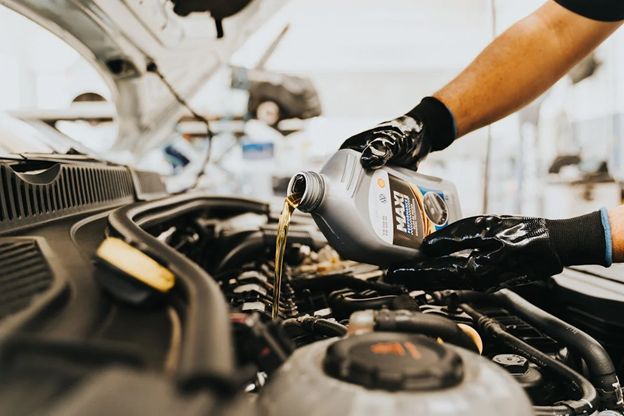
Choosing the right oil and filter for your vehicle is essential. It keeps your engine running smoothly, improves fuel efficiency, and helps your car last longer. Oil and filters work together to protect the engine from heat, dirt, and friction. But with so many options available, it can be hard to decide. This guide will help you choose the best oil and filter based on your car’s needs and your driving habits. Let’s break it down step by step.

The Importance of Oil and Filters

Oil and filters are very important for your engine’s health. Engine oil helps reduce friction between moving parts. This prevents parts from grinding and reduces wear. It also stops the engine from overheating. Over time, oil collects dirt, metal particles, and other debris. These can harm the engine if not removed. This is where the oil filter helps. It removes these harmful particles, keeping the oil clean. Clean oil flows smoothly and protects the engine.

Using the wrong oil or filter can cause serious problems. Poor oil quality increases engine wear and reduces fuel efficiency. It can even cause engine failure. Similarly, the wrong filter may not trap contaminants properly. These contaminants can circulate and damage engine parts. Choosing the right oil and filter is essential to avoid these issues.

Understanding Engine Oil

Oil and Filter

Not all engine oils are the same. Different cars and driving conditions need different oils. Knowing the type of oil your car needs helps protect the engine.

Types of Engine Oil:

  1. Conventional Oil: Conventional oil is made from refined crude oil. It works well for older vehicles with simple engines. It provides basic lubrication but breaks down faster. It may not work well in very hot or cold weather.
  2. Synthetic Oil: Synthetic oil is made in labs. It performs well in extreme temperatures and under heavy loads. It is great for modern engines and high-performance cars. It is also ideal for towing or stop-and-go traffic.
  3. Synthetic Blend Oil: This oil combines synthetic and conventional oils. It offers better protection than conventional oil but costs less than full synthetic. It is a good option for those who need better performance without paying extra.
  4. High-Mileage Oil: High-mileage oil is for cars with more than 75,000 miles. It contains special additives to reduce oil leaks and consumption. It also protects older engine parts from wear.

Viscosity Ratings

Viscosity refers to the thickness of the oil and its ability to flow at different temperatures. This is represented by numbers and letters, such as 5W-30:

  • 5W: Indicates how the oil flows in cold temperatures. The lower the number, the better it performs in cold starts.
  • 30: Refers to the oil’s viscosity at operating temperatures. Higher numbers are suitable for hotter climates or heavy loads.

Consult your vehicle’s owner manual for the recommended viscosity grade, as using the wrong viscosity can negatively impact engine performance and longevity.

Choosing the Right Oil Filter

The oil filter is as important as the oil itself. It removes harmful dirt and debris from the oil. This keeps the oil clean and protects your engine. Choosing the right oil filter ensures the oil can do its job properly. Here’s how to select the best filter for your car.

Types of Oil Filters

Oil and Filter

There are different types of oil filters. Each type has its own purpose and works best in specific conditions. Understanding the types will help you choose the right one for your car.

  1. Spin-On Filters: Spin-on filters are the most common. They have a steel canister with a filter inside. These are simple to install and remove. Many older cars use spin-on filters. They are popular among people who prefer to change their own filters.
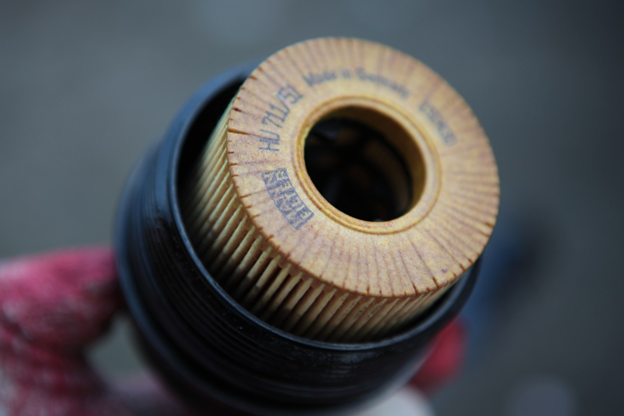
  2. Cartridge Filters: Cartridge filters are common in newer cars. They have a replaceable filter element inside a reusable casing. Only the filter element is replaced, not the whole unit. This makes them better for the environment. Cartridge filters can also provide better filtration than spin-on filters.
  3. High-Efficiency Filters: High-efficiency filters trap very small particles that regular filters may miss. They are designed for high-performance engines or vehicles used in extreme conditions. If you drive in heavy traffic or tow heavy loads often, these filters are a good choice.
  4. Magnetic Filters: Magnetic filters use magnets to capture metal particles in the oil. They are helpful in engines that produce more wear. Magnetic filters are usually used with another filter type for better results.

Key Features to Look For

When choosing a filter, it’s important to check its features. The right features ensure the filter will protect your engine properly.

Filtration Efficiency

A filter’s efficiency shows how well it traps dirt and debris. Filters are rated by the size of particles they can capture, measured in microns. A lower micron rating means the filter can trap smaller particles. For example, a 10-micron filter can remove particles as small as 10 microns. This keeps the oil cleaner and reduces engine wear.

Anti-Drainback Valve

The anti-drain back valve stops oil from flowing back out of the filter when the engine is off. This keeps the filter full of oil. When you start the engine, the oil is available immediately. This feature is especially important for cars in colder climates. It helps prevent damage during engine start-up.

Durability

A good filter should handle high pressure and temperature without breaking. Look for filters made with strong materials like silicone anti-drain back valves and synthetic filter media. These materials last longer and provide better protection.

Compatibility

Always use a filter that matches your car’s engine. An incorrect filter may not fit properly. This can cause leaks or reduce oil flow. Both issues can damage your engine over time. Check your car’s manual for the correct filter type and size.

Matching Oil and Filters to Your Driving Conditions

Oil and Filter

Your driving habits and environment affect the oil and filter your car needs. Different conditions require different levels of protection. Here’s what to consider:

  • City Driving: Driving in traffic with frequent stops and starts puts stress on your engine. It creates more dirt and debris in the oil. Synthetic oil and a high-efficiency filter work best in these conditions. They keep the oil clean and protect the engine during short trips.
  • Highway Driving: Highway driving keeps the engine running steadily for long periods. This means the oil must hold up over time. Synthetic blend oils paired with filters designed for longer intervals are good choices. They maintain performance and reduce wear during long drives.
  • Off-Road Driving: Driving on dirt roads or rough terrain exposes your engine to dust and debris. High-viscosity synthetic oil works well in these conditions. It provides better protection under stress. Pair this with a filter that has a high dirt-holding capacity to protect your engine.
  • Cold Weather: In cold climates, oil thickens when the engine is off. Thin oils, like 0W-30, flow better in the cold. They make it easier to start the engine. Use a filter with an anti-drain back valve in cold weather. This ensures the engine gets oil immediately after starting.

Expert Care for Your Vehicle at Hillside Auto Clinic

At Hillside Auto Clinic, we understand the importance of choosing the right oil and filter for your vehicle. With over 10 years of experience serving the Lomita, CA community, we are committed to keeping your engine running smoothly and efficiently. Whether you need routine maintenance, oil changes, or expert advice, our skilled team of mechanics is here to help. We use top-quality OEM parts and the latest technology to provide reliable service at the best prices. Your car’s health and your peace of mind are our top priorities.

Book an appointment or visit us at 26122 Western Ave, Lomita, CA, and let Hillside Auto Clinic keep your car in top condition for the long road ahead!