Auto repair service featured image

7 Mistakes You're Making with Car Maintenance (and How to Fix Them Before They Cost You Thousands)

Are you unknowingly setting yourself up for a massive auto repair bill? Most car owners think they're doing everything right, but small oversights in routine maintenance can snowball into thousands of dollars in unexpected repairs. The good news? These costly mistakes are completely preventable once you know what to look for.

Let's dive into the seven most expensive car maintenance mistakes drivers make every day – and more importantly, how you can avoid them starting today.

1. Skipping or Delaying Oil Changes

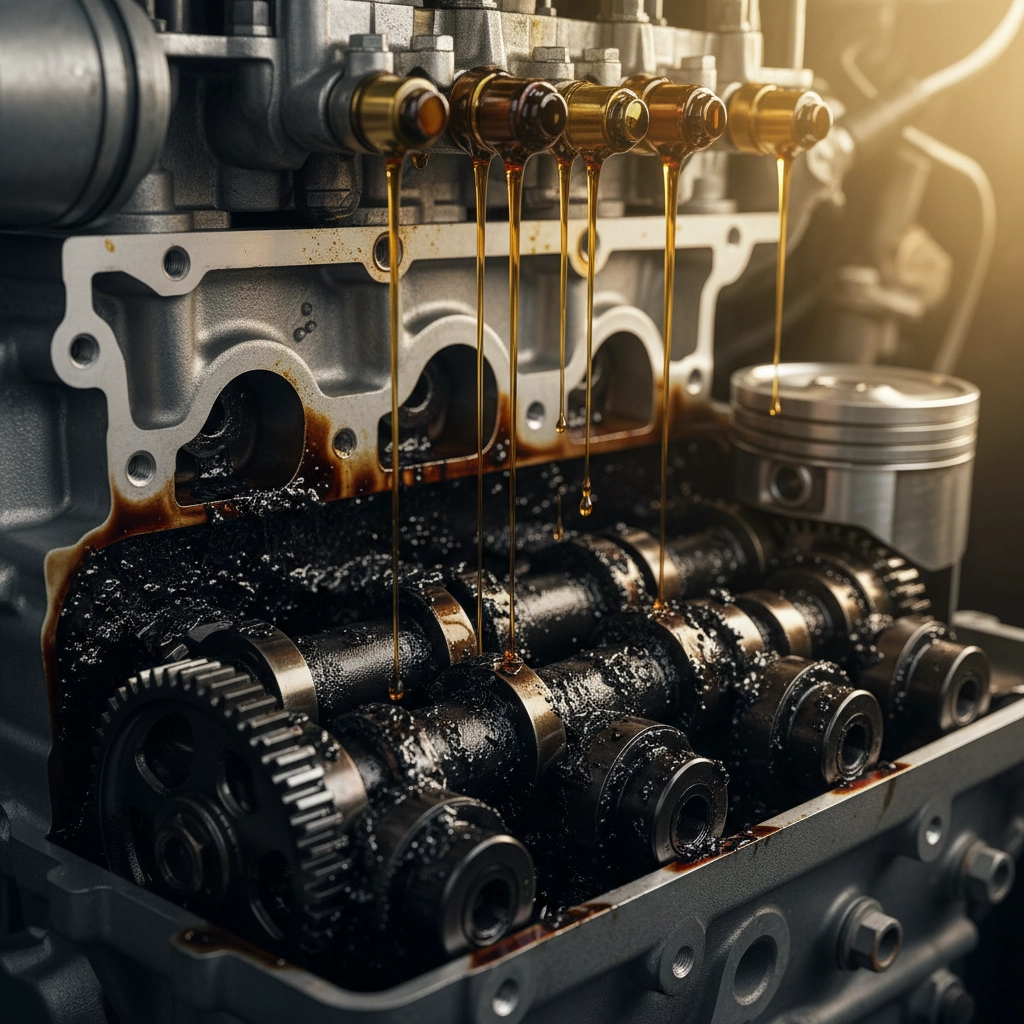
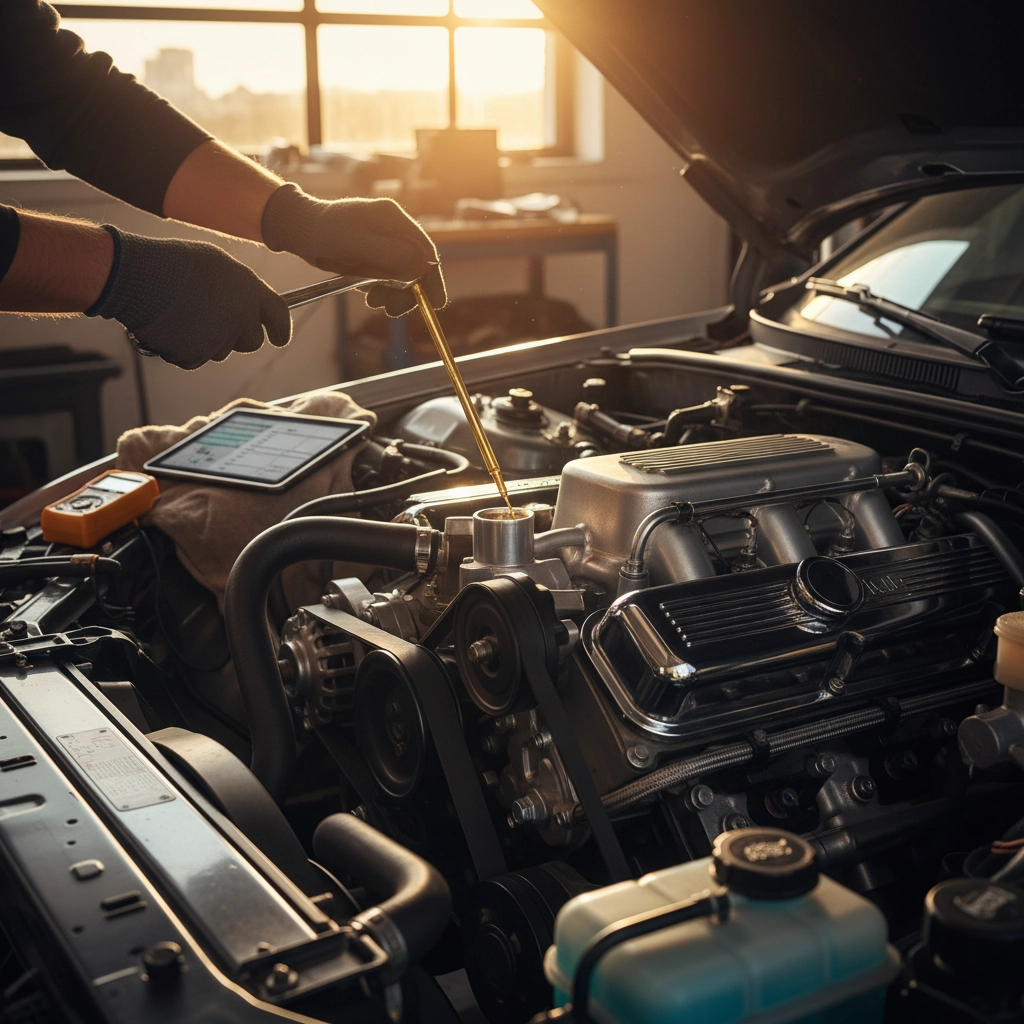
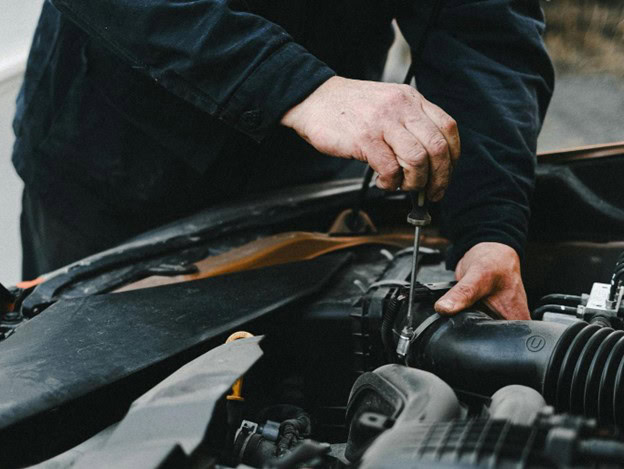
Here's the truth: your engine oil is working harder than you think. It's not just lubricating moving parts – it's carrying away heat, collecting dirt and debris, and preventing metal-on-metal contact that would destroy your engine in minutes.

When you skip oil changes or push them too far past the recommended interval, that oil breaks down and becomes contaminated. What started as smooth, protective liquid turns into thick sludge that can't do its job. The result? Engine seizure, bearing damage, and repairs that can easily cost $3,000 to $8,000 or more.

The Fix: Follow your manufacturer's oil change schedule religiously. Most modern vehicles need oil changes every 5,000 to 7,500 miles, but check your owner's manual for specifics. If you drive in stop-and-go traffic, extreme temperatures, or dusty conditions, you might need more frequent changes. Don't wait until that oil change reminder light comes on – schedule your next appointment before you need it.

image_1

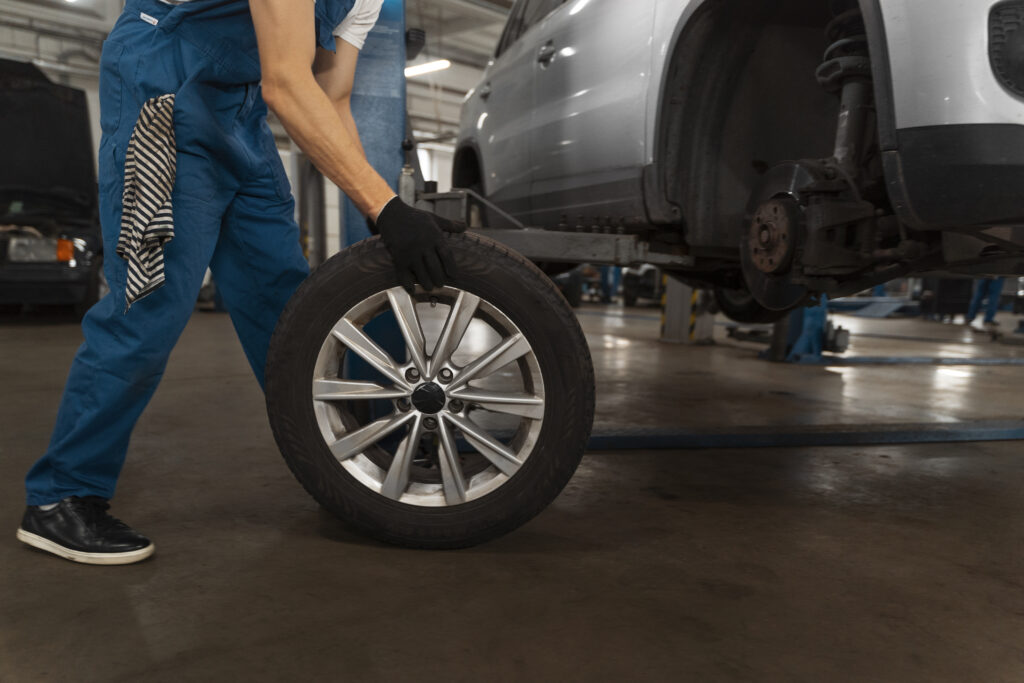
2. Ignoring Tire Pressure and Rotation

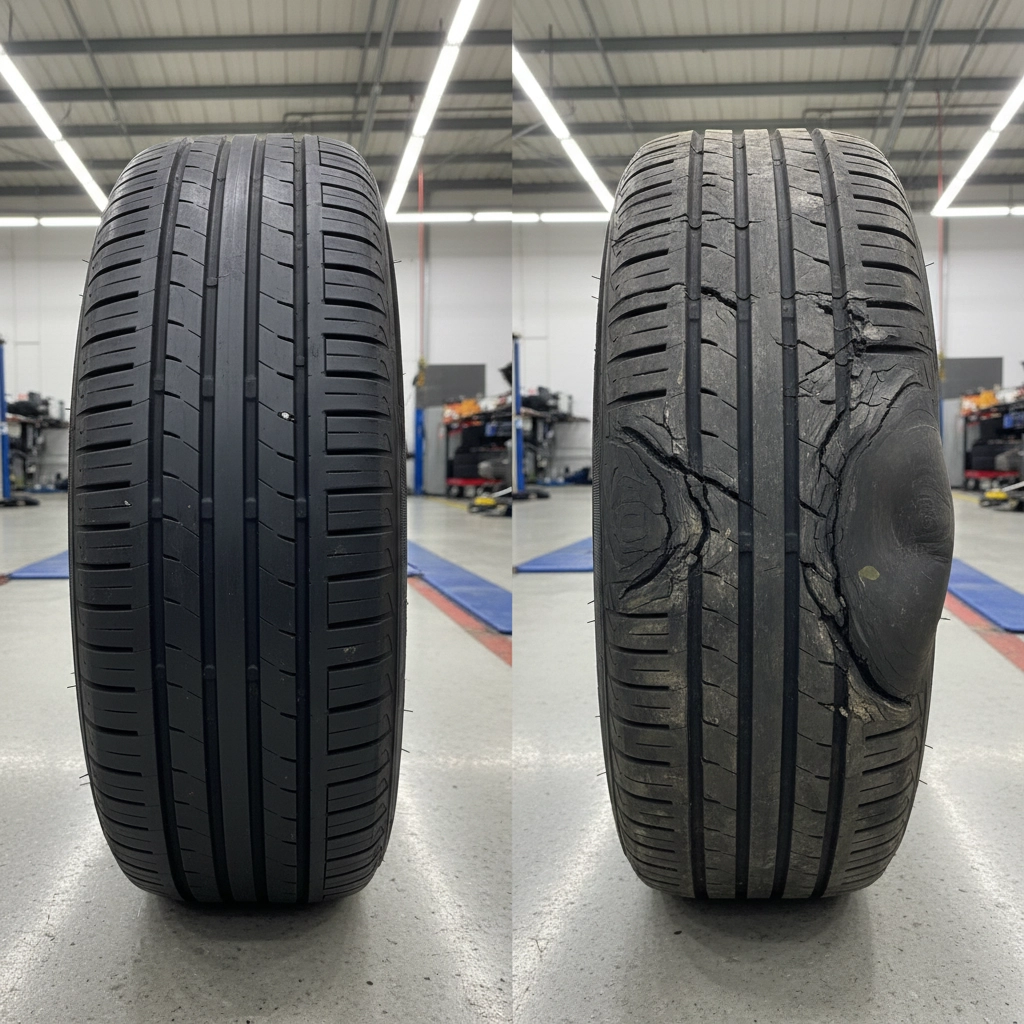
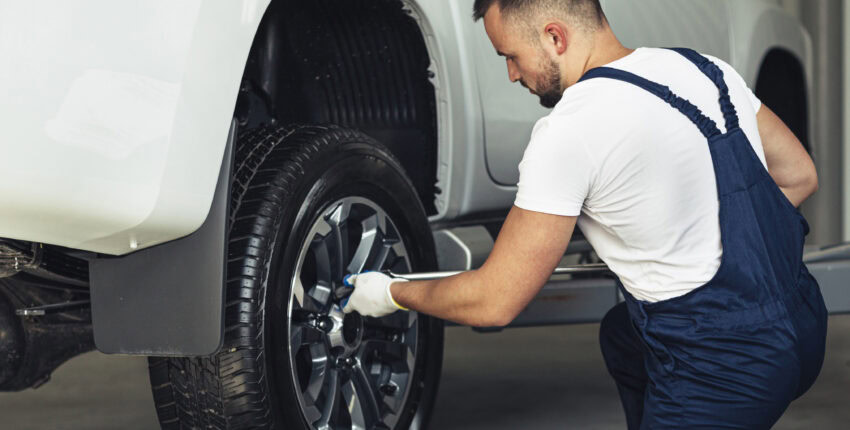
Your tires are literally where the rubber meets the road, yet they're often the most neglected part of vehicle maintenance. Under-inflated tires don't just hurt your gas mileage – they create dangerous heat buildup that can lead to sudden blowouts on the highway. Over-inflated tires reduce your car's contact with the road, making it harder to stop and steer safely.

But here's what really hurts your wallet: improper tire pressure causes uneven wear patterns. Instead of getting 50,000 miles out of a set of tires, you might only get 30,000. With quality tires costing $600 to $1,200 for a full set, that premature replacement adds up quickly.

The Fix: Check your tire pressure at least once a month using a reliable tire gauge. The correct pressure is listed on a sticker inside your driver's side door frame – not on the tire sidewall. Rotate your tires every 5,000 to 8,000 miles to ensure even wear. Most tire shops will do this for under $50, which is a lot less than buying new tires early.

3. Putting Off Brake Maintenance

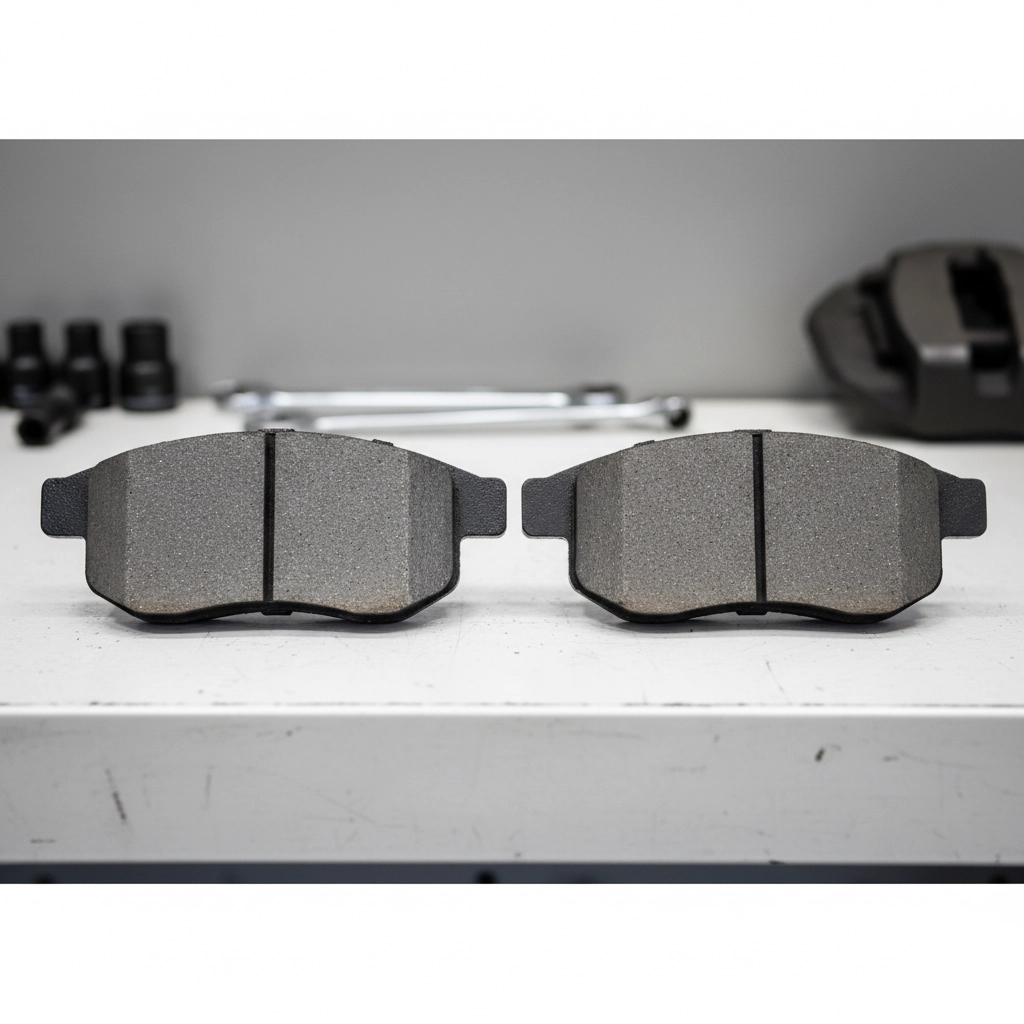
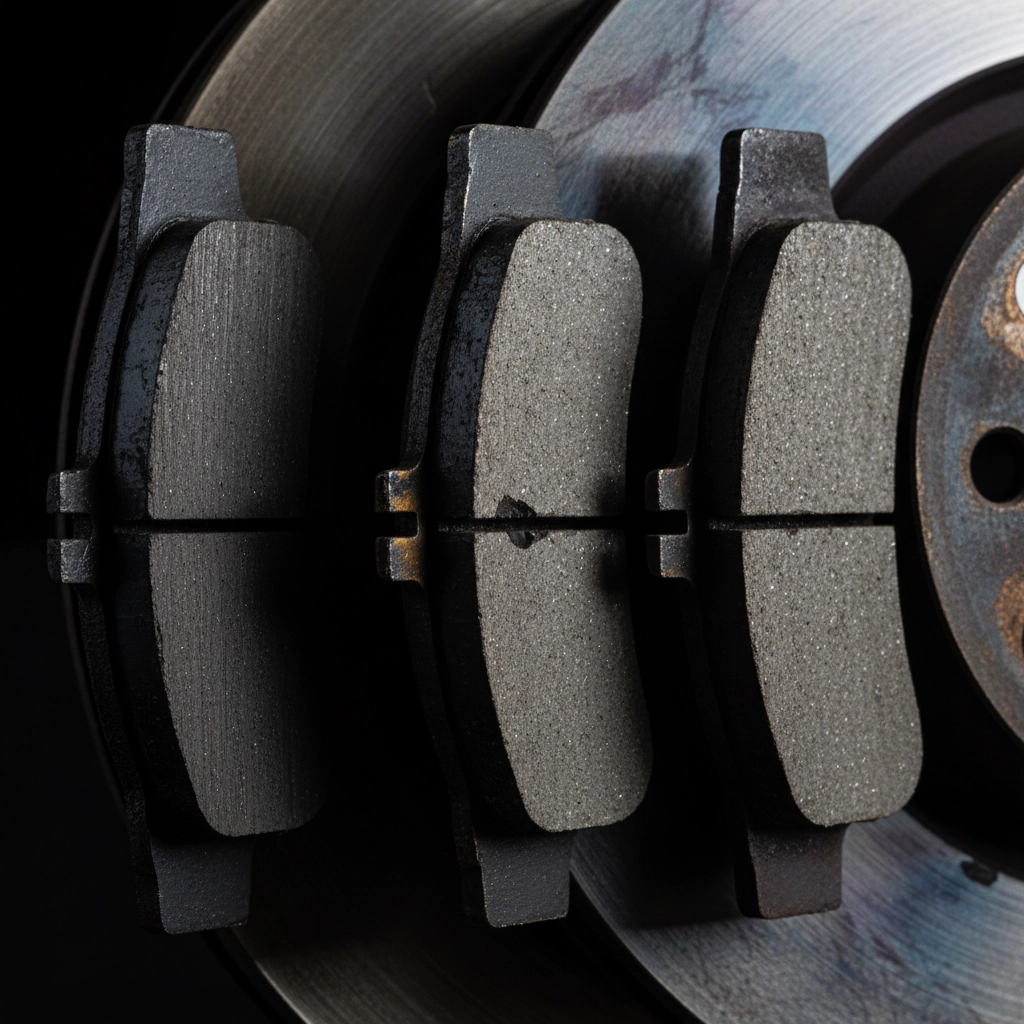
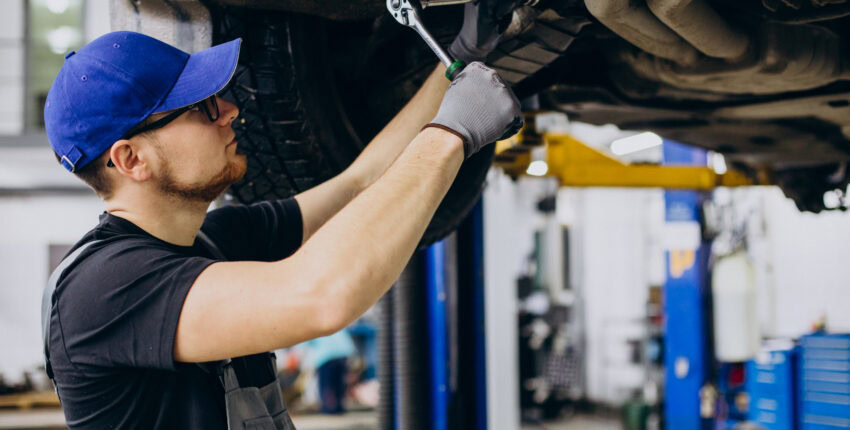
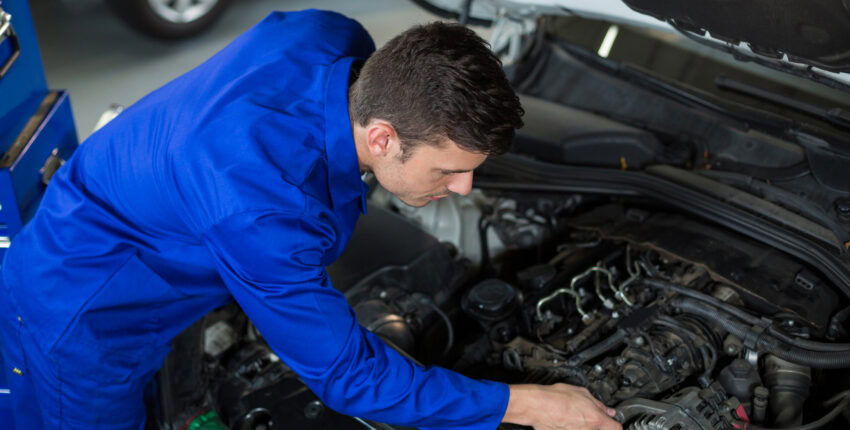
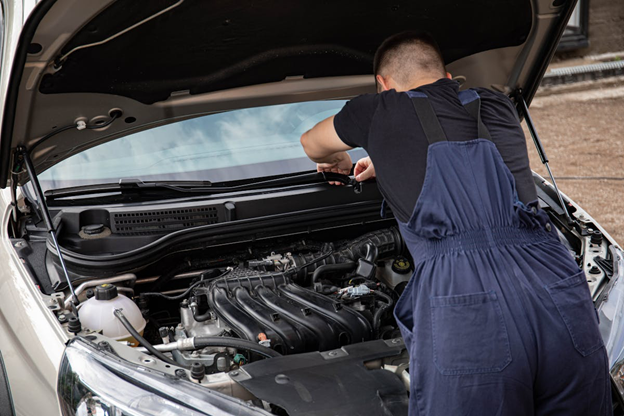
Your brakes give you plenty of warning before they fail completely, but too many drivers ignore the signs. That high-pitched squealing when you stop? Those are wear indicators telling you it's time for new brake pads. That grinding noise? That's metal-on-metal contact, and you're now damaging rotors along with pads.

When brake pads wear down completely, the metal backing plate grinds against your rotors, creating grooves and heat damage. What could have been a $150 pad replacement becomes a $600+ job requiring new rotors. Wait too long, and you might need to replace the entire braking system.

The Fix: Have your brakes inspected every time you get an oil change. Don't ignore squealing, grinding, or vibration when braking. If your brake pedal feels spongy or travels farther to the floor than usual, get it checked immediately. Early brake pad replacement is always cheaper than rotor replacement. For expert brake service, you can learn more about choosing the right brake repair service.

image_2

4. Dismissing Dashboard Warning Lights and Strange Noises

Modern cars are equipped with sophisticated computer systems designed to warn you about problems before they become catastrophic. That check engine light isn't just a suggestion – it's your car's way of telling you something needs attention now, before it gets worse.

The same goes for strange noises. That squealing from under the hood might be a worn belt that costs $50 to replace. Ignore it, and that belt could snap, leaving you stranded and potentially damaging other engine components. Those clicking sounds when you turn could indicate worn CV joints – a few hundred dollars to fix now, or over $1,000 if they fail completely.

The Fix: Never ignore dashboard warning lights or unusual noises. Modern diagnostic systems can pinpoint problems before they cause major damage. When a warning light comes on, have it diagnosed promptly – even if the car seems to run fine. Strange noises are often the first sign of impending mechanical failure. For comprehensive diagnostics, check out our guide on how regular engine diagnostics can prevent major repairs.

5. Overestimating DIY Skills

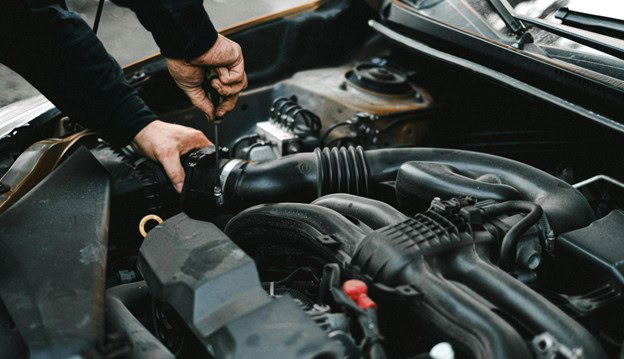
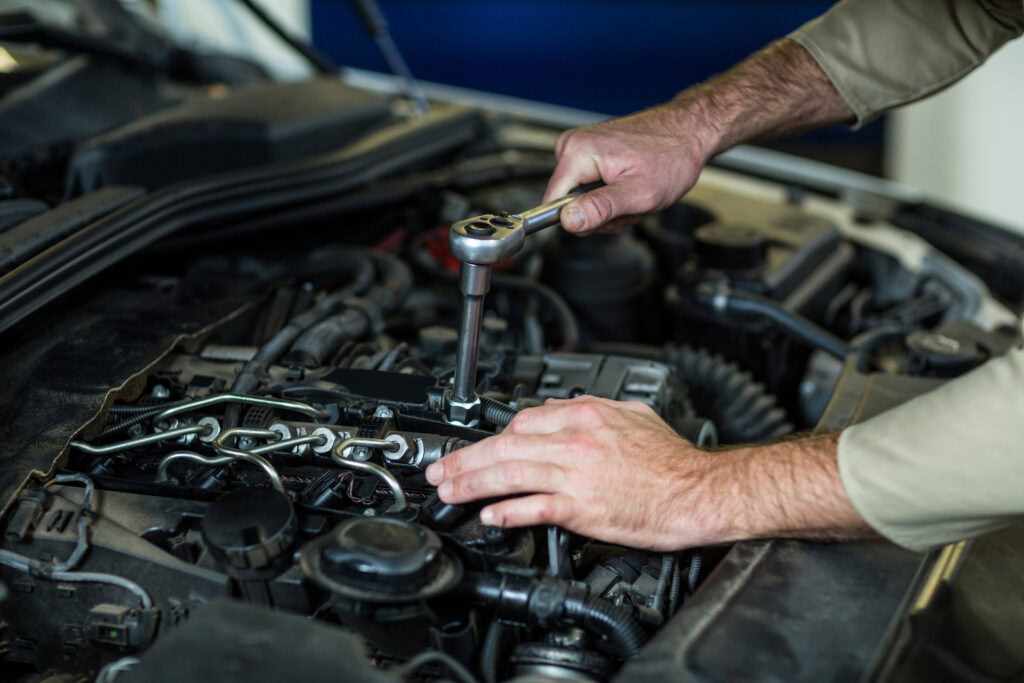
We get it – YouTube makes everything look easy, and saving money on repairs is appealing. But automotive repair requires specialized tools, knowledge, and experience. What looks like a simple job can quickly become complicated when you discover additional problems or realize you're in over your head.

DIY disasters we see regularly include stripped drain plugs from over-tightening, wrong parts installation, and electrical damage from incorrect procedures. These mistakes often cost more to fix than the original problem would have cost at a professional shop.

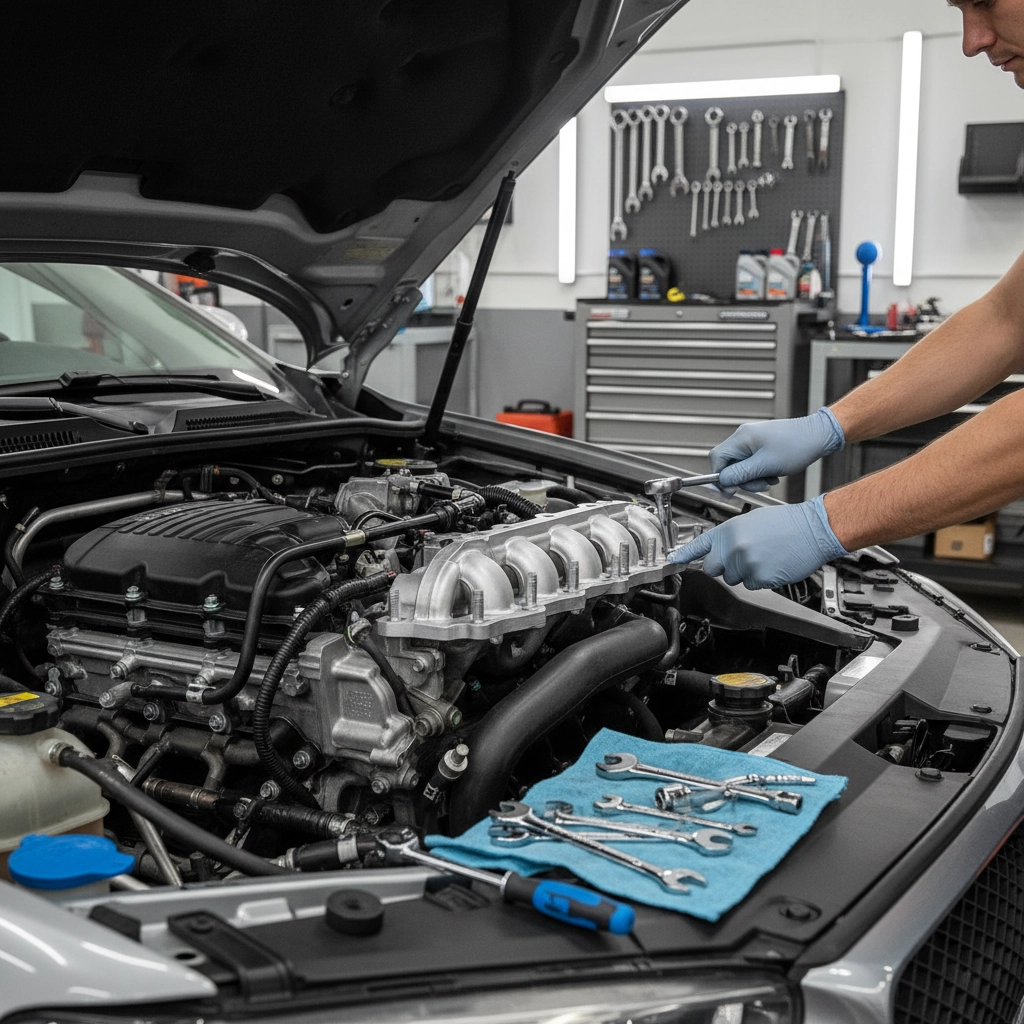
The Fix: Be honest about your skill level and stick to basic maintenance you're confident about – checking fluids, replacing air filters, or changing wiper blades. For anything involving the engine, transmission, brakes, or electrical system, consult professionals. When you do attempt DIY work, use proper tools, follow manufacturer procedures exactly, and don't be afraid to ask for help if you get stuck.

image_3

6. Neglecting Battery and Electrical System

Car batteries don't usually fail gradually – they often work fine one day and leave you stranded the next. But there are warning signs if you know what to look for. Slow cranking, dim headlights, or a battery that's more than three years old are all signals that replacement time is approaching.

Beyond the inconvenience of being stranded, a failing battery can damage other electrical components. When a battery struggles to provide adequate power, alternators work harder and can burn out prematurely. Voltage fluctuations can also damage sensitive electronic modules, leading to expensive computer replacements.

The Fix: Have your battery tested annually after it's three years old. Clean corrosion from terminals regularly – that white, crusty buildup prevents proper electrical connection. If you notice slow starting or dim lights, don't wait for complete failure. Replacing a battery proactively costs around $150, while replacing an alternator damaged by a failing battery can cost $500 or more.

7. Using Wrong Fuel and Ignoring Fluid Maintenance

Your car's engine was designed for a specific octane rating, and using the wrong fuel can cause problems. While using higher octane than required won't hurt anything (except your wallet), using lower octane in a car that requires premium can cause engine knock, reduced performance, and long-term damage.

But fuel isn't the only fluid that matters. Coolant prevents overheating and freezing, brake fluid ensures safe stopping, and transmission fluid keeps your transmission shifting smoothly. Neglecting these fluids or using the wrong type can lead to complete system failures costing thousands to repair.

The Fix: Always use the fuel octane rating specified in your owner's manual – you'll find it on a sticker inside your fuel door too. Have all fluids checked and changed according to manufacturer schedules. Don't assume all fluids are the same – different vehicles require different specifications. When in doubt, consult your manual or a trusted technician. Learn more about choosing the right oil and filter for your vehicle.

Don't Wait Until It's Too Late

The common thread in all these mistakes? They're all preventable with regular maintenance and attention to warning signs. The few hundred dollars you spend on routine maintenance can save you thousands in major repairs down the road.

At Hillside Auto Clinic, we've seen firsthand how these simple oversights can turn into expensive headaches. That's why we focus on honest, preventive care that catches problems early. We'd rather help you avoid a major repair than profit from one after it's too late.

Ready to get ahead of potential problems? Our experienced technicians can help you develop a maintenance schedule that fits your driving habits and budget. Contact us today to learn more about keeping your vehicle reliable and your repair costs manageable.

Vehicle service featured image

California's New SMOG Check Rules in 2025: What Changed and How to Pass on Your First Try

If you've been dreading your next smog check appointment, you're not alone. But here's some good news: California rolled out significant changes to its smog check program in 2025 that might actually make your life easier. Whether you're driving a newer vehicle or managing a fleet, these updates affect when, where, and how often you'll need to get tested.

So what exactly changed, and how can you make sure you pass on your first try? Let's break down everything you need to know about California's revamped emissions testing program.

The Big Picture: What's Different in 2025

California completely overhauled its smog check system this year, marking the most substantial changes to the program in decades. The state shifted administrative control, adjusted testing frequencies, and introduced new scheduling methods: all designed to streamline the process while maintaining strict environmental standards.

These aren't just minor tweaks. We're talking about fundamental changes that affect millions of California drivers, from how often you need testing to when you schedule your appointment.

Administrative Shake-Up: DMV Takes the Wheel

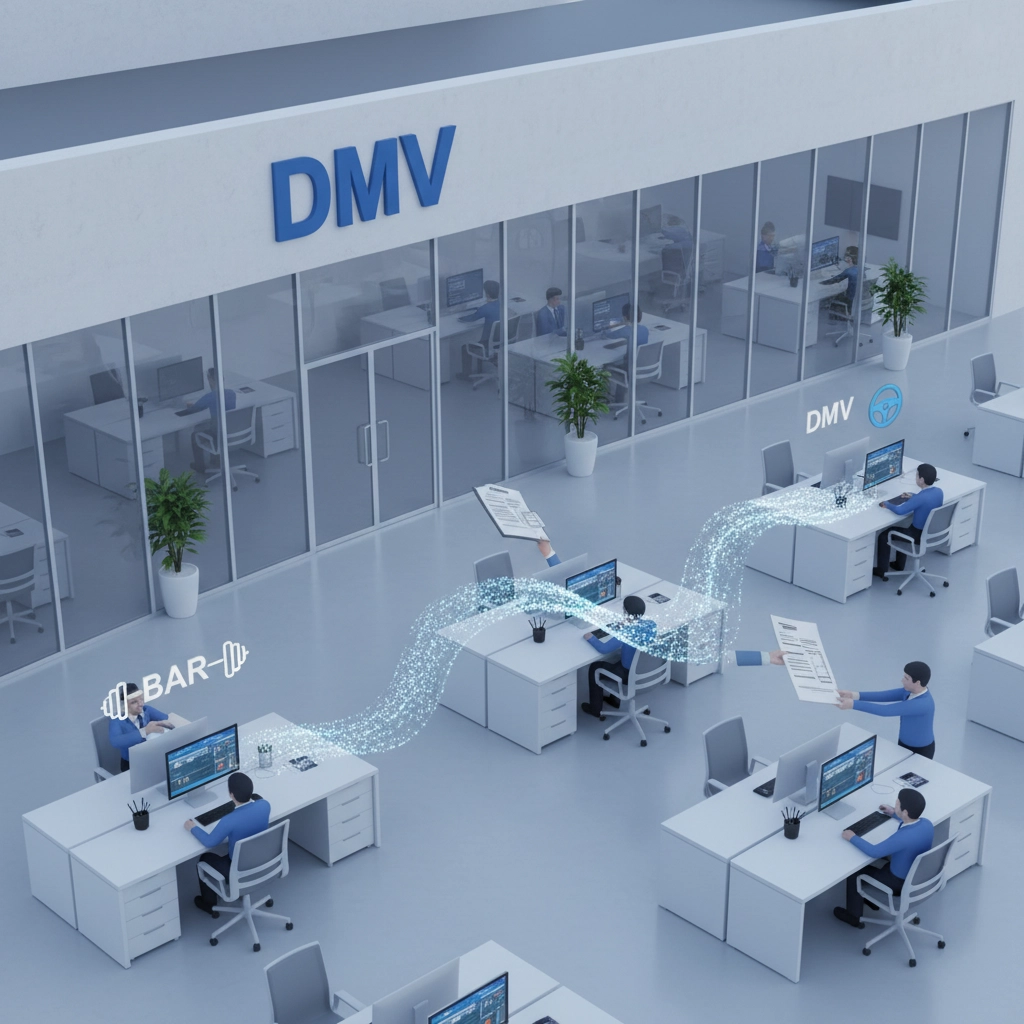
The most significant behind-the-scenes change involves who's running the show. The California Bureau of Automotive Repair (BAR) no longer oversees local testing stations. Instead, the Department of Motor Vehicles (DMV) now manages the entire emissions program.

What does this mean for you? Potentially better coordination between vehicle registration and smog testing requirements. Since the DMV already handles your registration renewal, having them oversee smog checks could lead to more integrated services and clearer communication about your obligations.

image_1

Testing Frequency: Less Often for Newer Cars

Here's where many drivers will see real relief. If your vehicle was manufactured after 2005, you now only need a smog check every two years instead of annually. This applies to all passenger vehicles from model year 2006 and newer, plus all heavy-duty vehicles from model year 2020 and newer.

This change recognizes that modern vehicles with advanced emissions control systems typically maintain cleaner performance longer than older models. It's a win-win: reduced hassle for drivers and maintained environmental protection.

Say Goodbye to Birthday Scheduling

Remember scrambling to get your smog check done before your birthday? Those days are over. California eliminated the birthday-based scheduling system in favor of registration-based timing.

Now, your smog check is due based on when you originally registered your vehicle. If your car was registered on the 15th of March, all future smog checks will be due on the 15th, regardless of when you celebrate another year of life. This system spreads out demand more evenly throughout the year, potentially reducing wait times at testing stations.

New Rules for Dealers and Commercial Fleets

If you're in the automotive business, pay attention to these changes. Dealer inventory vehicles now have 120 days from delivery or six months after registration to complete their smog inspection: whichever comes first. This gives dealerships more flexibility in managing their inventory.

Commercial fleet operators face stricter requirements under the new Clean Truck Check (CTC) regulation. Fleets operating in California must now conduct emissions tests twice per year, with this requirement increasing to four times annually by 2027.

image_2

Who Still Needs Testing?

The core requirements haven't changed dramatically. You still need smog checks if you drive:

  • Gasoline vehicles from model year 1976 and newer
  • Diesel vehicles from model year 1998 and newer (under 14,000 lbs)
  • Natural gas, flex-fuel, and hybrid vehicles following gasoline vehicle rules

Good news for some drivers: gasoline-powered vehicles 8 model years old or newer remain exempt from testing (though you'll pay a smog abatement fee), and electric vehicles continue their exemption status.

Collector Car Relief Coming Soon

Classic car enthusiasts have something to look forward to. Starting January 1, 2027, vehicles manufactured before 1981 will be fully exempt from smog checks if they have historical plates and collector vehicle insurance. This exemption will expand by one model year each year for five years beginning in 2028.

How to Pass Your Smog Check on the First Try

Now for the practical advice: how do you make sure you sail through your smog test without delays or expensive repairs?

Start with Basic Maintenance
The foundation of passing any smog check is a well-maintained vehicle. Ensure your engine oil is fresh, your air filter is clean, and all fluid levels are topped off. A poorly maintained engine burns fuel inefficiently and produces higher emissions.

Check Your Check Engine Light
If that dreaded check engine light is on, you'll automatically fail your smog test. Don't ignore it: even if your car seems to run fine, the light indicates your vehicle's onboard diagnostic system has detected an emissions-related problem.

Drive Before Testing
Take your car for a 20-minute highway drive before your appointment. This warms up all your emissions control systems and helps ensure they're operating at peak efficiency during testing. Cold engines often produce higher emissions readings.

Use Quality Fuel
Fill up with top-tier gasoline from a reputable station a few days before your test. Some drivers find that fuel system cleaners can help, but use them well before your appointment: never right before testing.

image_3

What These Changes Mean for Local Drivers

For drivers in the South Bay area, including Lomita and surrounding communities, these changes could mean shorter wait times and more convenient scheduling. The biennial testing for newer vehicles reduces overall demand on local testing stations, while registration-based scheduling spreads appointments more evenly throughout the year.

However, it's more important than ever to stay on top of your vehicle's maintenance schedule. With longer intervals between tests for newer cars, small problems have more time to develop into larger, costlier issues.

Preparing Your Vehicle for Success

Beyond basic maintenance, consider having a pre-smog inspection if you're concerned about passing. Many shops, including experienced local providers, offer diagnostic services that can identify potential issues before you head to an official testing station.

This preventive approach can save you time, money, and frustration. It's much better to address problems in a controlled environment than to discover them during an official test that you'll need to retake.

The Bottom Line

California's 2025 smog check changes represent a thoughtful evolution of the program: reducing bureaucratic hassles while maintaining environmental protections. For most drivers, these changes mean less frequent testing and more convenient scheduling.

The key to success remains the same: maintain your vehicle properly and address problems early. Regular maintenance isn't just about passing smog tests: it's about keeping your car reliable, efficient, and environmentally friendly.

If you're unsure about your vehicle's smog check readiness or need help understanding how these new rules affect you, don't hesitate to consult with automotive professionals who understand both the technical and regulatory aspects of California's emissions program.

Remember, staying ahead of potential issues is always easier and less expensive than dealing with them at the last minute. With these new rules in place, you have more time between tests: use it wisely to keep your vehicle in top condition.

Mechanic performing car service

Smooth Rides Ahead: Suspension Repairs & Chassis Service in Lomita, CA

Driving through the charming streets of Lomita, CA, should be a smooth and enjoyable experience. However, if your car’s suspension system is not in top shape, you might find your ride less than comfortable. In this blog post, we’ll explore how suspension repairs and chassis service can ensure you enjoy every drive. You’ll learn about the importance of suspension maintenance, the signs that your vehicle needs attention, and how Hillside Auto Clinic can help keep your car in pristine condition.

Understanding Your Car’s Suspension System

The suspension system is a critical component of your vehicle. It not only ensures a smooth ride but also plays a vital role in your car’s handling and safety. Let’s take a closer look at what makes up your suspension system and why it’s crucial to maintain it.

Components of the Suspension System

Your car’s suspension system includes shocks, struts, springs, and control arms. Imagine these parts working together like a team of skilled dancers, each move synchronized to absorb the impact from the road while keeping your vehicle stable. Shocks and struts are particularly vital as they control the rebound of the suspension springs, preventing excessive bouncing, much like a skilled choreographer ensuring each leap is graceful and controlled

In practical terms, think about driving over a speed bump. Without a properly functioning suspension, your car might bounce like a pogo stick, leading to discomfort and potential damage to other parts of your vehicle. Investing in quality components can range from $200 to $600 per shock absorber, depending on your vehicle’s make and model.

How the Suspension System Affects Your Ride

A well-maintained suspension system ensures that your car handles properly, providing stability and control. Without it, you risk a bumpy ride and increased wear on other vehicle components. In Lomita’s varied terrain, having a reliable suspension system is essential for both comfort and safety. Imagine your suspension as a trusty hiking boot, providing the right grip and support to navigate different terrains smoothly.

To avoid suspension issues, regular inspections are key. Check your suspension system every 12,000 miles or annually. This simple preventative measure can save you from costly repairs down the road.

Signs Your Suspension Needs Repair

Knowing when your car’s suspension system requires attention can save you time and money. Here are some common signs that indicate a need for suspension repair.

Uneven Tire Wear

If you notice that your tires are wearing unevenly, it could be a sign that your suspension system is not distributing weight evenly. This can lead to decreased traction and increased risk of accidents. Uneven tire wear might seem trivial, but it’s like walking in shoes with uneven soles—it affects your balance and can lead to falls.

Correcting this issue early might involve a simple alignment, costing around $75 to $100, rather than replacing tires prematurely, which can cost upwards of $500.

Pulling to One Side

Does your car pull to one side while driving? This could be a sign of misaligned suspension components, which can affect your vehicle’s handling and safety. Imagine trying to steer a canoe with one oar shorter than the other; it’s a constant battle to keep straight.

Regular wheel alignments can prevent this issue. Aim to get an alignment check every two years or if you notice any pulling sensation while driving.

Unusual Noises

Hearing clunking or creaking noises when driving over bumps? These sounds often indicate worn-out shocks or struts, which can compromise your vehicle’s performance. Think of it as the squeaky hinge on a door that desperately needs oiling.

Ignoring these noises can lead to further damage, potentially costing $300 to $700 per strut replacement. Regular lubrication and inspection can prevent these costly repairs.

The Importance of Chassis Service

While the suspension system is vital for a smooth ride, the chassis—a vehicle’s frame—also plays a crucial role in your car’s overall performance. Let’s delve into why chassis service is essential.

What is Chassis Service?

Chassis service involves inspecting and maintaining the vehicle’s frame and undercarriage. This includes checking for rust, cracks, and other damage that can weaken the structural integrity of your car. Think of the chassis as the skeleton of your vehicle, providing the necessary support and shape.

Regular inspections can catch rust early, especially in coastal areas like Lomita where salty air can accelerate corrosion. Addressing rust might cost around $100 to $500, depending on severity, far less than the cost of extensive frame repairs.

Benefits of Regular Chassis Maintenance

Regular chassis service ensures that your vehicle remains safe and reliable. It also extends the lifespan of your car by preventing minor issues from escalating into major problems. In Lomita, where coastal air can accelerate rust, regular chassis checks are particularly beneficial. It’s like regular check-ups for your health; catching problems early means simpler, less costly fixes.

Incorporate washing your car’s undercarriage as part of your routine to remove salt and debris, particularly after heavy rains or beach visits.

Seasonal Tips for Suspension and Chassis Care

Lomita’s climate can affect your vehicle’s suspension and chassis. Here are some seasonal tips to keep your car in top condition throughout the year.

Spring and Summer Care

During the warmer months, check for any signs of rust or corrosion on the chassis, as moisture from rain and humidity can cause damage. Ensure that your suspension components are well-lubricated to prevent wear. Think of this like applying sunscreen; it protects against long-term damage from exposure.

Fall and Winter Preparations

As temperatures drop, it’s essential to inspect your suspension and chassis for any damage from summer road trips. Cold weather can make rubber components brittle, so regular checks are crucial to prevent unexpected issues. Consider it as checking your winter wardrobe; you want to ensure everything is in good condition before the cold sets in.

Choosing the Right Auto Clinic in Lomita

When it comes to suspension repair and chassis service, choosing the right auto clinic is crucial. Here’s why Hillside Auto Clinic is the best choice for vehicle owners in Lomita.

Expertise and Experience

Hillside Auto Clinic has a team of skilled technicians who specialize in suspension and chassis services. Their expertise ensures that your vehicle receives the highest level of care and attention. It’s like having a seasoned chef prepare your meal; you can taste the difference in quality and attention to detail.

Customer-Centric Services

At Hillside Auto Clinic, customer satisfaction is a top priority. They offer personalized service, ensuring that each customer receives tailored solutions for their vehicle’s needs. It’s akin to having a personal shopper who knows exactly what suits your style and preferences.

How Hillside Auto Clinic Can Help

At Hillside Auto Clinic, we understand the importance of a smooth and safe ride. Here’s how we can assist you with your suspension and chassis needs.

Comprehensive Inspection and Diagnosis

Our technicians perform thorough inspections to diagnose any issues with your suspension or chassis. Using the latest technology, we ensure accurate and efficient service. This is much like using a magnifying glass to read fine print; it allows us to catch details that might otherwise be missed.

Quality Repairs and Maintenance

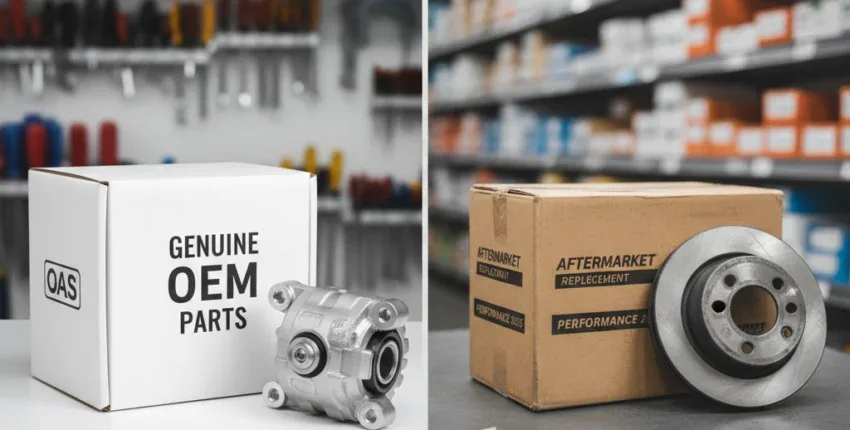
Whether it’s replacing worn-out shocks and struts or addressing chassis damage, we offer high-quality repairs using genuine parts. Our services are designed to extend the life of your vehicle and enhance your driving experience. Consider it as investing in quality cookware; it might cost more upfront, but the durability and performance are unmatched.

Ready to enjoy smooth rides in Lomita? Contact Hillside Auto Clinic today for professional suspension repairs and chassis service. Our team is here to help you get back on the road with confidence.

Front view of mechanic working on vehicle

Tire Care Essentials: Repairs, Rotations, and Alignments in Lomita, CA

Do you ever find yourself cruising along the scenic roads of Lomita, CA, only to be jolted by a bump or hear an unsettling noise from your tires? Tires are often overlooked until they demand attention, but regular tire care is essential to ensure safety and extend their lifespan. In this guide, we’ll explore the essentials of tire repairs, rotations, and alignments in Lomita, CA, empowering you with the knowledge to keep your vehicle running smoothly.

Understanding Tire Repair in Lomita

Tire repair is a critical aspect of vehicle maintenance. Let’s delve into what it involves and why it’s crucial.

Common Tire Issues

Tires can suffer from various issues such as punctures, sidewall damage, or tread wear. Potholes on Lomita roads can lead to such problems, affecting your driving experience and safety. Imagine driving to a weekend getaway, only to be stalled by a flat tire due to a nail puncture. A small, seemingly insignificant object can disrupt your plans and compromise your safety.

When to Seek Tire Repair

Knowing when to repair or replace a tire can be tricky. If your tire has a puncture smaller than 1/4 inch and located on the tread, a repair might suffice. However, sidewall damage usually requires replacement. Consider a scenario where a friend suggests patching a sidewall puncture to save costs; while it might seem economical, it’s akin to trying to patch a cracked foundation—unstable and insecure.

Finding Reliable Repair Services

In Lomita, you don’t have to look far for quality tire repair services. Hillside Auto Clinic offers reliable solutions that can get you back on the road quickly, ensuring your tires are up to safety standards. The cost of tire repairs can vary, but typically, a simple patch might range from $10 to $25, whereas replacing a tire due to sidewall damage could cost $100 or more, depending on the tire type.

The Importance of Tire Rotation

Tire rotation is a simple yet effective way to extend tire life, and it’s particularly important for Lomita drivers.

How Tire Rotation Works

Tire rotation involves moving each tire to a different position on the vehicle. This helps in even distribution of wear, as different tires bear different loads and face differing road conditions. Picture your tires like a pair of shoes; wearing the same pair every day without rotating them will wear out certain areas faster than others, leading to an uncomfortable fit.

Benefits of Regular Tire Rotation

Regular rotation prevents uneven wear, enhances fuel efficiency, and improves vehicle handling. For Lomita residents, where driving conditions can vary, routine tire rotation is essential. By rotating your tires, you ensure each tire shares the burden equally, much like a well-coordinated team working together for optimal results.

Recommended Rotation Frequency

Experts suggest rotating your tires every 5,000 to 7,000 miles. This routine maintenance can be conveniently scheduled alongside oil changes at Hillside Auto Clinic. By doing so, you prevent premature tire wear which can lead to costly replacements earlier than necessary.

The Role of Wheel Alignment

Wheel alignment is crucial for maintaining your vehicle’s stability and safety. Let’s explore why it’s indispensable.

What is Wheel Alignment?

Wheel alignment involves adjusting the angles of the wheels so they are set to the manufacturer’s specifications. Misalignment can occur from hitting curbs or potholes, common on Lomita streets. Consider wheel alignment as the compass guiding your ship; if it’s off, you’re likely to drift off course.

Signs of Misalignment

If your vehicle pulls to one side, the steering wheel is off-center, or you notice uneven tire wear, it’s time to check the alignment. These are tell-tale signs that your wheels need realignment. Ignoring these signs is like ignoring a leaking roof; it may start small but can lead to bigger, more expensive problems.

Benefits of Proper Alignment

Proper alignment improves tire longevity, enhances driving comfort, and boosts fuel efficiency. It also ensures your vehicle handles optimally, crucial for navigating Lomita’s diverse terrain. The cost for wheel alignment typically ranges from $75 to $100, a worthwhile investment considering the savings from prolonged tire life and fuel efficiency.

Seasonal Tire Care Tips for Lomita Drivers

Lomita’s climate can affect tire performance. Here are some seasonal tips to consider.

Summer Tire Care

In summer, high temperatures can increase tire pressure. Regularly check and adjust tire pressure to prevent blowouts. Also, ensure your tires have adequate tread depth for safe driving on heated roads. It’s akin to wearing sunglasses to protect your eyes from the sun’s glare—simple yet effective.

Winter Considerations

While Lomita winters are mild, cooler temperatures can still affect tire pressure. Ensure your tires are properly inflated and have sufficient grip for occasional wet conditions. Consider investing in all-season tires, which can handle both summer heat and winter chill effortlessly.

Year-Round Maintenance

Regardless of the season, regular inspections for tire wear and damage are crucial. Routine maintenance at Hillside Auto Clinic can keep your tires in top shape. Think of it as a regular health check-up for your car; early detection of issues can save you from costly repairs down the line.

Choosing the Right Tires for Lomita Roads

Selecting the appropriate tires can enhance your driving experience and safety.

Types of Tires

There are various tire types to consider: all-season, summer, and winter tires. For Lomita, all-season tires are often ideal due to the moderate climate. Choosing the right tire is like selecting the right attire for an event; it should match the conditions and purpose.

Factors to Consider

Consider your driving habits, typical road conditions, and vehicle type when choosing tires. Consulting with Hillside Auto Clinic can help you find the perfect match for your needs. Investing wisely in the right tires can save you money and ensure a safer driving experience.

Tire Maintenance Tips

Once you’ve chosen the right tires, maintaining them through proper inflation, regular inspections, and timely rotations will extend their lifespan and performance. Imagine your tires as the unsung heroes of your vehicle; they quietly bear the load and ensure your journey is safe and comfortable.

Partnering with Hillside Auto Clinic

When it comes to tire care in Lomita, Hillside Auto Clinic stands out.

Why Choose Hillside Auto Clinic?

With years of experience and a reputation for excellence, Hillside Auto Clinic offers comprehensive tire services including repairs, rotations, and alignments. Their expert technicians ensure your vehicle receives the best care possible. By partnering with them, you’re entrusting your vehicle to skilled hands, much like choosing a seasoned guide for a challenging expedition.

Scheduling Your Appointment

Don’t wait for tire troubles to escalate. Schedule your next tire service with Hillside Auto Clinic and drive with confidence knowing your vehicle is in expert hands. Proactive maintenance today can prevent reactive repairs tomorrow, ensuring peace of mind on every journey.

Caring for your tires is more than just a maintenance task—it’s about ensuring safety and performance every time you hit the road. Whether it’s a repair, rotation, or alignment, Hillside Auto Clinic in Lomita, CA, is your trusted partner for all tire-related needs. Reach out to them today and enjoy a smoother, safer ride.

Mechanic servicing a car engine

Engine Re-builds & Swaps in Lomita: Restoring Classics and More

Owning a classic car is a dream for many, but maintaining one can be a challenge. In Lomita, CA, there’s a growing interest in engine rebuilds and swaps. Whether you’re trying to bring a vintage vehicle back to life or looking to enhance your car’s performance with a new engine, understanding these processes can save you time and money. This guide will walk you through the essentials of engine rebuilds and swaps, focusing on classic car restoration and reliable engine performance. You’ll learn how Hillside Auto Clinic in Lomita can help you achieve your automotive goals.

Understanding Engine Rebuilds

Engine rebuilds in Lomita are popular among car enthusiasts who cherish the authenticity of their vehicles. Rebuilding an engine involves disassembling it, cleaning, inspecting, and replacing worn-out parts. This process can restore your engine to its original condition, extending its life and performance. Imagine your engine as a well-loved puzzle; over time, some pieces may wear out or go missing. An engine rebuild is like replacing those pieces to restore the original picture.

Benefits of Engine Rebuilds

Rebuilding an engine offers several advantages. It can significantly improve fuel efficiency and restore lost horsepower, making your vehicle more enjoyable to drive. For instance, a classic 1967 Ford Mustang with a rebuilt engine can regain the power it had when it first rolled off the production line. Additionally, it can be a cost-effective alternative to buying a brand-new engine, especially for classic car owners who want to maintain the original engine. While costs can vary, an engine rebuild typically ranges from $2,500 to $4,500, depending on the extent of the work required.

The Process of Engine Rebuilding

The rebuilding process starts with a thorough inspection to identify any damage or wear. Critical components such as pistons, crankshafts, and bearings are examined and replaced if necessary. The engine block is cleaned and machined to ensure proper function. Finally, the engine is carefully reassembled, tested, and fine-tuned to meet factory specifications. Think of it as giving your engine a spa day followed by a performance tune-up.

To prevent the need for frequent rebuilds, regular maintenance is crucial. Simple actions like changing the oil every 3,000 to 5,000 miles, checking the air filter, and ensuring the cooling system is in good shape can prolong your engine’s life.

Exploring Engine Swaps

Engine swaps in Lomita are another exciting option for those looking to boost their car’s performance. This involves replacing the existing engine with a different one, often from another vehicle. Engine swaps can offer increased power, better fuel efficiency, and modern reliability. Imagine swapping out an old tube TV for a modern flat-screen—the difference in performance and functionality can be substantial.

Common Types of Engine Swaps

There are several types of engine swaps. Some enthusiasts opt for a direct swap with a more powerful engine from the same manufacturer, ensuring compatibility. Others might choose a cross-brand swap, which can be more complex but allows for greater customization and performance enhancements. For example, placing a Chevrolet LS engine in a classic Pontiac GTO can transform its performance capabilities.

Considerations for a Successful Swap

Before proceeding with an engine swap, consider the compatibility of the new engine with your vehicle’s transmission, electronics, and mounting points. It’s essential to plan for any necessary modifications to ensure seamless integration. Consulting with experts like those at Hillside Auto Clinic can help you navigate these complexities. An engine swap can cost anywhere from $3,000 to $10,000, depending on the type of engine and modifications needed.

To avoid potential pitfalls, ensure regular inspections of your vehicle’s systems, like the electrical and cooling systems, to support the new engine’s demands. This preventative maintenance can save time and money in the long run.

Classic Car Restoration in Lomita

Lomita is home to a vibrant community of classic car lovers. Restoring classic cars can be both challenging and rewarding, preserving automotive history while breathing new life into timeless beauties. It’s like restoring a vintage painting; the goal is to retain its original charm while ensuring it’s fit for today’s standards.

The Restoration Journey

Restoration begins with assessing the car’s condition, identifying areas needing attention such as the engine, bodywork, and interior. A detailed plan is developed to address each aspect methodically. For many, restoring a classic car is a labor of love, requiring patience and dedication. Take, for example, a 1950s Cadillac that, after a meticulous restoration, becomes a showstopper at classic car events.

Maintaining Originality vs. Modern Enhancements

A common dilemma in classic car restoration is whether to maintain the vehicle’s originality or incorporate modern enhancements. While original parts preserve authenticity, modern upgrades can enhance performance, safety, and comfort. Balancing these aspects is key to a successful restoration. Consider the analogy of renovating a historic home; while you might want to keep the original hardwood floors, updating the plumbing and electrical systems can make the home more livable.

Choosing a New Engine in Lomita

Opting for a new engine in Lomita can be a wise decision for both modern and classic cars. New engines offer improved reliability and performance, ensuring your vehicle runs smoothly. It’s akin to getting a brand-new heart for your car, breathing fresh life into its performance.

Factors to Consider

When selecting a new engine, consider your vehicle’s make and model, your performance goals, and budget. Research different engine types—such as turbocharged or naturally aspirated—to find one that fits your needs. Consulting with professionals can provide valuable insights into making the right choice. New engine installations can range from $4,000 to $8,000, depending on the engine type and vehicle model.

Installation and Break-in

Proper installation is crucial to maximize the benefits of a new engine. Working with skilled technicians ensures correct mounting, wiring, and calibration. Following installation, a break-in period is recommended to allow the engine components to settle, ensuring long-term reliability. It’s like breaking in a new pair of shoes; giving it time to adjust ensures comfort and performance.

Ensuring Reliable Engine Performance

Maintaining reliable engine performance is essential for any vehicle owner. Regular maintenance, quality parts, and skilled workmanship play crucial roles in keeping your engine in top shape. Consider it like keeping a well-tuned musical instrument; regular tuning ensures it plays beautifully.

Routine Maintenance Tips

Adhering to a maintenance schedule can prevent major issues and extend your engine’s life. Regular oil changes, coolant checks, and timely replacement of filters and spark plugs are essential practices. These simple steps can save you from costly repairs down the road. For instance, ignoring a simple oil change could lead to engine wear, costing thousands in repairs.

Partnering with Local Experts

Hillside Auto Clinic in Lomita is your go-to place for engine rebuilds, swaps, and maintenance. With experienced technicians and a commitment to quality, they can handle all your automotive needs, ensuring your vehicle runs at its best. Think of them as your vehicle’s personal fitness trainer, keeping it in peak condition.

Why Choose Hillside Auto Clinic?

Hillside Auto Clinic stands out in Lomita for its expertise in engine rebuilds and swaps. Their team of skilled professionals is passionate about cars and dedicated to providing top-notch service. Whether you need a simple tune-up or a complete engine overhaul, they have you covered. It’s like visiting a gourmet restaurant; you know you’re getting the best service and quality.

Customer Testimonials and Success Stories

Many satisfied customers have shared their positive experiences with Hillside Auto Clinic. From restoring vintage classics to enhancing modern sports cars, their success stories reflect their commitment to excellence and customer satisfaction. Whether it’s bringing a 1960s Corvette back to its former glory or transforming a modern sedan with a power-packed engine swap, their work speaks for itself.

Take the next step in your automotive journey. Contact Hillside Auto Clinic today to discuss your engine rebuild & swaps project. Whether you’re restoring a classic or seeking reliable performance, their expert team is ready to assist you.

Engine Diagnostics

How Regular Engine Diagnostics Can Prevent Major Repairs

If you’ve ever had your car unexpectedly break down, you know it can throw a wrench into your entire day, if not your whole week. Fortunately, engine diagnostics can be your safety net, offering a powerful way to catch early warning signs before they snowball into costly repairs. Today’s vehicles are incredibly sophisticated, packed with sensors that monitor everything from the air-fuel mixture to exhaust emissions. By tapping into these onboard systems, engine diagnostics provide real-time insights that help you address minor issues long before they escalate into major headaches.

Beyond just reading error codes, routine engine diagnostics are central to effective preventative maintenance and overall vehicle care. Whether it’s a fuel injector starting to clog or a spark plug on its last leg, diagnostics can pinpoint the culprit early. In the coming sections, we’ll explore how this proactive approach can not only spare your wallet but also give you peace of mind on every drive.

What Does Engine Diagnostics Involve?

Modern cars are computers on wheels, equipped with an array of sensors monitoring temperature, air intake, exhaust gases, and more. An engine diagnostic test uses specialized equipment to read and interpret these sensors. This can include everything from oxygen sensor data, fuel injector performance, and spark plug functionality, to your transmission’s operational data. The complexity of modern automobiles means a quick read of your onboard diagnostics (often known as the OBD-II system) can paint a comprehensive picture of your vehicle’s health. An hour of your time and a bit of money spent on diagnostics can save you hundreds or even thousands of dollars down the line.

Benefits of Engine Diagnostics

Below are some key benefits that regular engine diagnostics brings to your overall vehicle care and preventative maintenance routine.

1. Prevent Costly Repairs

Preventing costly repairs starts with consistent vehicle care that includes regular engine diagnostics. Often, minor issues, such as a small glitch in the fuel system, won’t immediately affect your car’s day-to-day performance, making it easy to overlook them. However, these seemingly inconsequential problems can quickly snowball into major, expensive repairs if they remain undetected. For example, a tiny fuel leak or faulty injector might ultimately cause full-blown engine failure if left unchecked. Get these warning signs checked out early and resolve them at a fraction of the cost it would take to rebuild or replace key engine components. This proactive approach is at the heart of preventative maintenance, helping you avoid the stress and the hefty bill that comes with unexpected breakdowns.

2. Improve Fuel Efficiency

Fuel efficiency isn’t just good for your wallet; it’s also an integral part of responsible vehicle care. When your engine is properly tuned, every drop of fuel is utilized as efficiently as possible, saving you money each time you fill up. Regular engine diagnostics ensure that components like the fuel injection system, oxygen sensors, and airflow monitors are in good working order. If any of these parts malfunction, your engine may burn more fuel than it needs, leading to frequent stops at the gas station. By diagnosing and correcting these issues early, you’ll see tangible savings and you’ll also help reduce the environmental impact of unnecessary fuel consumption.

Engine Diagnostics
3. Increase the Lifespan of Your Vehicle

Modern automobiles are designed to go the distance, but achieving a long life span hinges on consistent vehicle care. Regular engine diagnostics play a vital role in spotting issues before they escalate and cause irreparable damage. When you handle minor glitches early like a worn belt or a failing sensor, you reduce unnecessary strain on the engine and other key systems. This proactive attention to detail is the essence of preventative maintenance, as it keeps your car’s components functioning optimally for longer. By eliminating the root causes of wear and tear, you’re effectively extending your vehicle’s overall service life, allowing you to enjoy a reliable ride for many years to come.

4. Peace of Mind

Nothing can ruin a day faster than an unexpected breakdown or worse, an ominous “check engine” light that leaves you guessing. Regular engine diagnostics remove the mystery, ensuring every part of your car is operating as it should. This peace of mind isn’t just about preventing crises on the road; it’s about driving without the nagging worry that a lurking issue might surface at the worst possible time. At Lonestar Performance, our goal is to give you confidence behind the wheel by pinpointing and resolving problems before they become emergencies. This commitment to comprehensive vehicle care means you can focus on the journey rather than the “what ifs,” knowing you’ve done everything possible to keep your engine in top shape.

5. Extend Engine Life

If you think of your engine as the heart of your car, then engine diagnostics act like regular medical checkups, identifying signs of distress before they turn critical. By verifying that every component- spark plugs, sensors, valves, and more – is functioning correctly, you minimize wear and tear on the engine as a whole. This proactive, data-driven form of preventative maintenance helps to avoid catastrophic failures that can shorten your vehicle’s life span. A well-monitored engine remains efficient and powerful over time, reducing stress on critical parts.

6. Improved Vehicle Performance

Beyond just preventing breakdowns, engine diagnostics serve as the key to unlocking your vehicle’s top performance levels. When each sensor and component in the fuel and ignition systems is calibrated correctly, your car accelerates more smoothly, idles quietly, and reacts predictably to every press of the pedal. This optimization directly influences your driving experience, whether you’re merging onto a busy highway or simply navigating weekend errands. Over time, consistent diagnostics help maintain that “like-new” feel, reinforcing the importance of ongoing vehicle care.

Engine Diagnostics

Why Choose Hillside Auto Clinic for Your Engine Diagnostics

At Hillside Auto Clinic, we pride ourselves on providing top-notch vehicle care for drivers in Lomita, CA. Our certified technicians use state-of-the-art diagnostic tools to accurately identify the root cause of any issue your car might have. Whether it’s a persistent check engine light or just a routine preventative maintenance check, we have the expertise and equipment to keep your car running at peak performance.

 We don’t believe in a “one-size-fits-all” approach. Every car is different, and we tailor our diagnostic strategies to ensure we’re checking exactly what your vehicle needs. As a full-service repair shop, once we identify a problem, we can handle everything from minor fixes to full engine overhauls. Schedule your engine diagnostics here.

Car Maintenance

Factory Scheduled Maintenance vs. Regular Maintenance: What’s the Difference for Your Car?

Owning a car isn’t just about getting from one place to another. It’s a big investment. Like any valuable item, your car needs regular care to stay in good condition. Two key terms often come up when talking about car care: factory scheduled maintenance and regular maintenance. They may sound similar, but they have different purposes and are both important for your car’s health. Knowing the difference between these two types of maintenance can save you time, money, and stress. It helps you make better decisions, avoid expensive repairs, and keep your car running longer. In this blog, we’ll explain how they differ, why they matter, and how to decide what’s best for your car.

What Is Factory Scheduled Maintenance?

Factory scheduled maintenance is a set of services recommended by your car’s manufacturer. These services are tailored to your car’s make, model, and design. They help ensure your car runs smoothly and stays safe. This maintenance happens at specific intervals, such as 30,000, 60,000, or 90,000 miles. At 30,000 miles, for example, your car might need an oil change, air filter replacement, and brake check. By 60,000 miles, it may need spark plug checks and transmission fluid replacement. These services are planned to prevent bigger problems in the future.

What Is Regular Maintenance?

Factory Scheduled Maintenance vs. Regular Maintenance

Regular maintenance is the basic care your car needs to stay reliable every day. It includes tasks that apply to all cars, no matter the make or model. These tasks fix small issues and prevent larger problems. Unlike factory maintenance, regular maintenance doesn’t follow a set timeline. It depends on how often you drive and your car’s condition. Examples include oil changes, checking tire pressure, and topping up fluids like coolant. Regular maintenance helps avoid sudden breakdowns and keeps your car running well.

Key Differences Between Factory Scheduled and Regular Maintenance

Factory scheduled maintenance and regular maintenance are both important but focus on different things. Factory maintenance is planned by the manufacturer for long-term care. It includes detailed checks of major systems like the engine and transmission. Regular maintenance focuses on smaller, everyday tasks, like replacing worn-out parts. Factory maintenance happens at specific intervals, such as every 30,000 miles. Regular maintenance is done as needed, based on your car’s condition. For example, if your tires lose air pressure often, you would fix this during regular maintenance. Another key difference is how they affect your warranty. Factory maintenance is required to keep your warranty valid. Skipping it may result in losing coverage for major repairs. Regular maintenance isn’t linked to your warranty but is still essential for your car’s overall health.

Why Factory Scheduled Maintenance Is Important

Factory scheduled maintenance is essential for protecting your car’s warranty. Manufacturers require you to follow their maintenance schedule to ensure your car stays in good condition. If you skip it, you could lose your warranty. This means you would have to pay for expensive repairs yourself. It also helps prevent major problems. For example, if your timing belt needs replacing at 60,000 miles and you skip it, the belt could break. This can cause serious damage to your engine. Following the schedule helps you avoid such costly repairs.

Factory maintenance also keeps your car running efficiently. Replacing air filters and spark plugs on time ensures the engine performs well. This improves fuel efficiency and reduces wear on other parts. A car that follows factory maintenance schedules lasts longer and performs better.

Why Regular Maintenance Is Important

Factory Scheduled Maintenance vs. Regular Maintenance

Regular maintenance keeps your car safe and reliable for daily use. It helps fix small issues that may occur between factory scheduled maintenance. For example, if your brake pads are noisy, replacing them early prevents damage to the brake rotors. This saves you from bigger, more expensive problems. It also addresses simple issues. If your tires are wearing unevenly, getting them rotated extends their lifespan. Topping up fluids like coolant and engine oil ensures the car runs smoothly and avoids overheating. Without regular maintenance, these small problems can grow into major ones.

How Driving Conditions Affect Maintenance

Your driving habits and environment affect how often your car needs maintenance. Manufacturers provide two schedules: one for normal driving and another for severe conditions. Normal conditions include short trips, light usage, and mild weather. Cars in these conditions need less frequent maintenance. Severe conditions include heavy stop-and-go traffic, extreme heat or cold, and long-distance driving. For example, driving in dusty areas can clog your air filters faster. Replacing them more often prevents dirt from damaging the engine. If you drive in severe conditions, you may need to follow a stricter maintenance schedule to keep your car in good shape.

Can Regular Maintenance Replace Factory Scheduled Maintenance?

Regular maintenance cannot replace factory-scheduled maintenance because they serve different purposes. Regular maintenance addresses small, everyday issues. Factory scheduled maintenance focuses on the overall health of the car and ensures all systems work as they should. Skipping factory maintenance can lead to major problems. For example, a transmission issue might not be noticeable during an oil change. However, it could cause significant damage if left unchecked.

Factory Scheduled Maintenance vs. Regular Maintenance

Tips for Staying on Top of Maintenance

To ensure your car stays in great condition, follow these simple tips:

  1. Check your owner’s manual. This will tell you the factory maintenance schedule and what services your car needs.
  2. Keep a record of all services. This helps you track what has been done and when the next service is due.
  3. Consult a professional mechanic. They can recommend services based on your car’s condition and how you use it.
  4. Adjust to your driving conditions. If you drive in severe conditions, follow the manufacturer’s severe maintenance schedule.

Your Trusted Auto Repair Shop in Lomita, CA

At Hillside Auto Clinic, we know how important it is to keep your car in good condition. Whether it’s factory-scheduled maintenance or regular maintenance, our experienced team is here to help. We provide reliable and honest auto services, from routine oil changes to complex repairs. Our certified mechanics use the latest tools and ensure every job is done right. We are committed to transparent pricing and customer satisfaction. Visit us at 26122 Western Ave, Lomita, CA 90717, or call us at (310) 956-5794 to book your appointment. Let us keep your car running smoothly and safely!

How to Choose the Right Brake Repair Service

How to Choose the Right Brake Repair Service: Tips for Drivers

Has your brake system been acting up lately? If that’s the case, you shouldn’t delay calling a brake repair service provider as faulty brakes could compromise your safety on the road.

However, choosing from the multiple brake repair service options available can be overwhelming. How do you choose the right brake repair services that ensure your safety and the longevity of your vehicle?

Whether you’re dealing with squeaky brakes, a warning light, or a more serious issue, finding a trusted brake repair service is key to ensuring your car stops when it should.

In this piece, we’ll highlight things to consider when choosing a brake repair service so you can make an informed decision. So, let’s get started!

How Experienced is the Brake Repair Service Provider

When it comes to brake repairs, you want to ensure that the auto repair shop you go to has specialized experience in dealing with faulty brakes.

That is important because brake systems are complex, and only a qualified mechanic can diagnose and repair them properly.  A specialized brake repair shop will have the right tools, knowledge, and experience to accurately assess your brakes.

Customer Reviews and Testimonials

Consider Customer Service and Communication

Do the representatives at the auto repair shop seem to take your concerns seriously?

A good shop will take the time to explain the problem with your brakes in clear, understandable terms and ensure you feel confident about the repair options.

If the staff doesn’t come across as friendly and doesn’t take the time to clearly explain what needs to be done, this could be a clear indication of the shop being unresponsive and hard to work with.

While choosing a brake service provider, look for one that will make you feel like a valued customer. They should engage in clear communication and be willing to answer all your questions without pressure or upselling.

Ask For Estimates From Multiple Shops

It’s rarely a good idea to go with the first brake repair shop you talk to. Speaking to multiple automotive repair shops and getting estimates from them can get you a fair idea of whether you’re getting a good deal.

Remember that while price shouldn’t be the only factor in your decision, comparing quotes can help you avoid inflated prices or unnecessary upselling.

Getting a few estimates also allows you to evaluate the professionalism and transparency of different shops. However, when comparing estimates, compare the same services, parts, and labor.

Also, beware of businesses that may offer unusually low prices; these automotive repair shops could be cutting corners by providing subpar quality services.

Inquire About the Shop’s Diagnostic Process

When it comes to brake repairs, accurately diagnosing the problem is key to making sure you get reliable services. A trustworthy shop will not jump straight to the repair without first performing a thorough inspection. They should be able to explain their diagnostic process and provide you with a clear understanding of what’s wrong with your brakes.

A shop that takes the time to properly diagnose the issue is less likely to overlook critical problems, which could lead to more expensive repairs down the road.

The auto repair shop you choose should offer a comprehensive brake inspection that checks all critical components including brake pads, rotors, brake fluid, calipers, and lines. Hence, before you choose an auto repair shop, ask about their process for troubleshooting and how they ensure that all issues are identified before recommending repairs.

Shop’s Diagnostic Process

Inquire About Warranties and Guarantees

If you want to make sure that you get more bang for your buck when it comes to investing in brake repairs, make sure to choose a reputable brake repair service that stands behind its work. Before trusting them with brake repairs, ask about warranties or guarantees on the parts and labor provided. A solid warranty not only shows that the shop is confident in the quality of their work, but it also protects you in case something goes wrong after the repair.

A warranty gives you peace of mind; you’d know that if the repair doesn’t last, you can return for a fix without paying extra. It also shows the shop’s commitment to customer satisfaction.

Look for shops that offer a reasonable warranty on both parts and labor. A typical warranty might range from 12 months to 36 months, depending on the work performed.

Assess the Shop’s Facility and Equipment

A clean, organized, and well-equipped repair shop is often a good indicator of professionalism. If the shop is cluttered, disorganized, or lacks modern diagnostic tools, it could indicate that they’re not investing in maintaining high standards of service.

Modern brake systems often require specialized equipment for accurate diagnostics and repairs so you’d want to reach out to a shop that stays up-to-date with technology.

Check out the shop’s facility when you visit. Is it clean and well-maintained? Does the shop seem equipped with the right tools and technology to handle brake repairs? A professional environment can make a big difference in the quality of the work you’ll receive.

Efficient Brake Repairs Services

Reach Out to Hillside Auto Clinic For Efficient Brake Repairs Services

If it’s time to get your vehicle’s brakes repaired in Lomita, CA, reach out to the experts at Hillside Auto Clinic. Our expert technicians, with over 10 years of experience, will diagnose and repair your brakes quickly and efficiently—at fair prices you can trust.

Don’t wait until it’s too late—call us today to schedule a brake repair or inspection!

Hillside Auto Clinic promotional graphic

Choosing the Right Auto Repair Shop in 2024

In 2024, the automotive industry continues to evolve as technology and engineering advance at a rapid pace. These changes make it more crucial for car owners to select the best auto repair shop. For routine maintenance or repairs, choose a shop that stays current with industry trends and technology. It can greatly affect the quality of service you get. 

In this article, we’ll walk you through the important elements for selecting the best auto repair shop this year. 

We’ll look at:

  1. Why regular maintenance is important.
  2. Criteria for comparing businesses.
  3. Why Hillside Auto Clinic is the best choice in Lomita, CA.

The Importance of Regular Auto Maintenance

Regular auto maintenance is more than routine; it is an investment in your vehicle’s longevity and performance. Regular maintenance keeps your car running well. It reduces the risk of breakdowns and may save you money by avoiding major repairs. Oil changes, tire rotations, and brake inspections are vital. They are key to your vehicle’s long life. However, the quality of these services varies greatly depending on which auto repair shop you select.

A skilled, respected auto repair shop will have the tools and knowledge to do these jobs right. Also, regular visits to a good shop help specialists find problems before they become costly. This proactive approach keeps your vehicle in excellent condition. It also gives you peace of mind, knowing experts are caring for it. In today’s fast-changing auto world, choosing the right shop is vital to your car’s integrity. 

Key Factors to Consider When Choosing an Auto Repair Shop

Choosing an auto repair shop necessitates careful consideration of numerous criteria. Below, we go over the most crucial factors to consider to assist you in making an informed decision. 

Certification and Expertise

One of the first things to look for when evaluating an auto repair shop is the qualifications and skills of its specialists. Certifications, such as those from the National Institute for Automotive Service Excellence (ASE), demonstrate a technician’s expertise and commitment to staying current with industry standards. ASE-certified mechanics have passed tough tests. They keep up with the latest in auto tech through ongoing education.

In addition to qualifications, examine the shop’s familiarity with your particular make and model. Some businesses specialize in specific types of automobiles, which can be a big help if you own a car that requires particular knowledge. For example, if you drive a hybrid or an electric vehicle, you’ll want to go to a shop where the technicians are versed in the specifics of these cars. When it comes to providing the best possible care for your vehicle, expertise and certification are required. 

Reputation & Reviews

In today’s digital age, the reputation of an auto repair shop is more accessible than ever thanks to online reviews and ratings. Sites like Google, Yelp, and the BBB offer insights into customers’ experiences. They help you gauge the service you can expect. When reviewing feedback, look for praise of the shop’s professionalism, honesty, and work. Be wary of shops with a high number of complaints or unsolved issues, as these can be warning signs. 

Lomita residents can find top-rated auto businesses by searching for local reviews. Word-of-mouth recommendations from friends, family, and coworkers can also be extremely useful. A shop with high ratings is more likely to be trustworthy. A strong reputation earned over time is typically a reliable indicator of a shop’s dedication to client satisfaction. 

Range of Services Available

Another important element to consider is the variety of services provided by the auto repair shop. A thorough shop should offer a wide range of services, including routine maintenance and more difficult repairs. This range is important. It lets you meet all your car’s needs in one place. This saves you the trouble of visiting different sites for various issues. 

Diagnostics, engine repairs, brake service, transmission work, and tire repair are all typical services to seek for. Some shops also offer specialist services. They include performance tuning, custom exhaust work, and advanced diagnostics for modern, high-tech cars. A shop with many services can fix any problem. It is a more convenient and cost-effective option for car owners. 

Pricing and Transparency

Pricing is always a significant consideration when selecting an auto repair shop, but it is critical to strike a balance between cost and quality. While it may be tempting to choose the lowest alternative, low costs might occasionally suggest poor service or the use of inferior parts. Instead, look for a shop that charges fairly and transparently. Reputable firms will give you a full estimate before starting work. They will outline the costs so you can decide. 

Transparency is vital. Beware of shops that won’t give clear pricing or that push unnecessary services. A reputable shop will speak freely about what has to be done and why, so there are no surprises when it comes time to pay the bill. Check estimates from several places. This can help you find a good deal and get quality service. Remember that the lowest option is not always the best, especially for something as vital as your vehicle. 

Customer Care and Convenience

Excellent customer service is another distinguishing feature of a high-quality auto repair shop. From the time you walk in, you should feel accepted and respected as a customer. The staff should answer your questions and explain services. They should recommend services based on your car’s needs, rather than upselling their services. Good communication is vital during the repair process. It keeps you updated on your car’s condition and any changes to the original estimate. 

Convenience is also an important factor. Consider the shop’s proximity to your home or job, as well as the hours of operation. Some shops offer conveniences like shuttle services and loaner cars. Easy online scheduling can help, too. These can make repairs go more smoothly. A shop that prioritizes customer service is likely to give you a good experience. This will ensure you return for future services.  

Why is Hillside Auto Clinic a Top Choice for 2024?

Hillside Auto Clinic is a top car repair shop in Lomita. It has a great reputation in the area. What distinguishes Hillside is its unwavering dedication to quality and client satisfaction. 

Hillside Auto Clinic employs certified technicians. They know a lot about many car makes and models. Their knowledge ensures every repair meets the highest standards. They use the latest diagnostic tools and techniques. Hillside provides many services for your car. We handle everything from routine maintenance to complex repairs. 

Hillside Auto Clinic is known for its skills, fair prices, and great service. They believe in long-term connections with their customers. So, they explain each repair in detail and provide upfront quotes. The shop’s location in Lomita is convenient. Its flexible hours make it a great choice for working professionals and families. 

If you want to get the best car repair services in 2024, Hillside Auto Clinic is a brand you can trust. Their focus on cutting-edge automotive tech and client service ensures your car is in good hands. 

Choosing the right auto repair shop is vital. It will keep your vehicle running well and lasting longer. You may pick a shop that fulfills your demands while also providing peace of mind by examining variables such as certification, reputation, range of services, pricing, and customer service. As you explore the many possibilities accessible in 2024, keep in mind that quality should never be sacrificed for money. 

Don’t wait for your car to break down. Take action now. Choose Hillside Auto Clinic for all your auto repair and maintenance needs. Contact us today to schedule your next service visit and discover the difference that quality care can make.