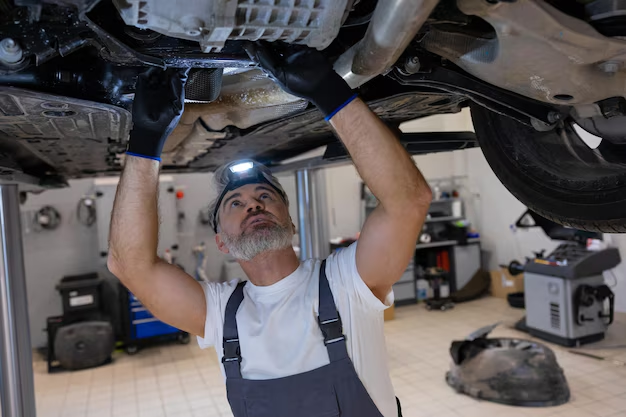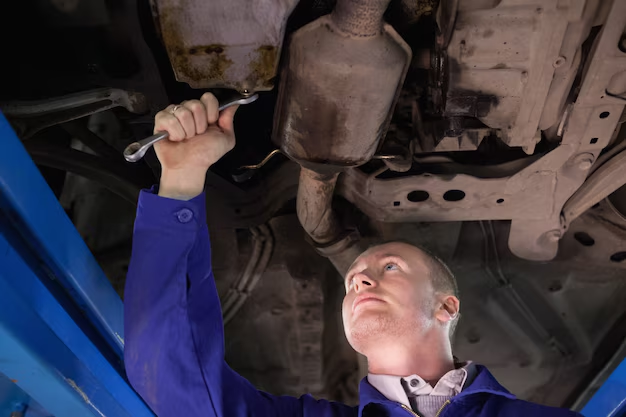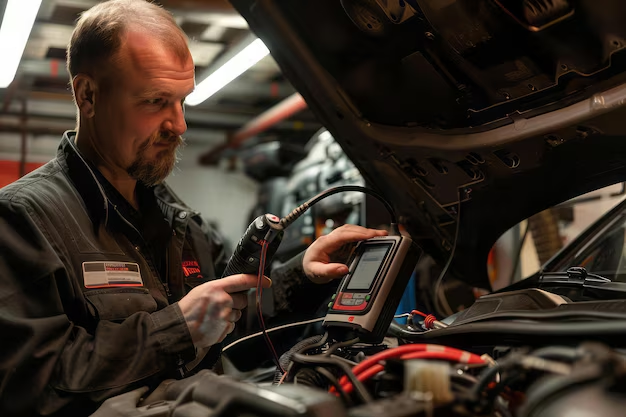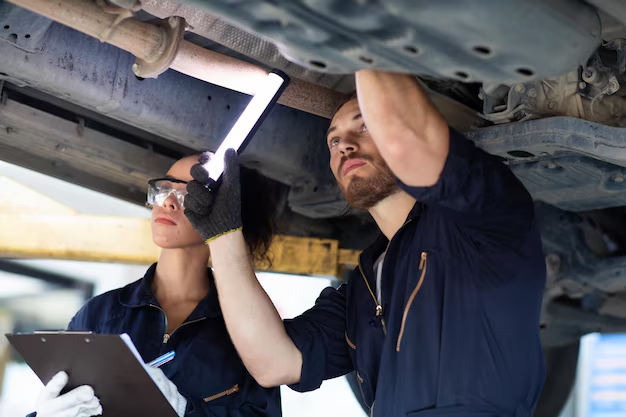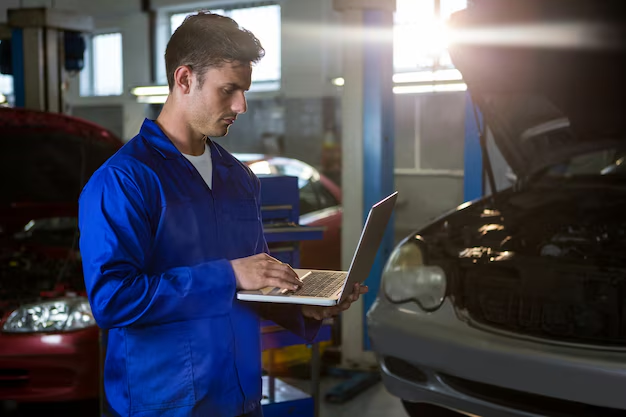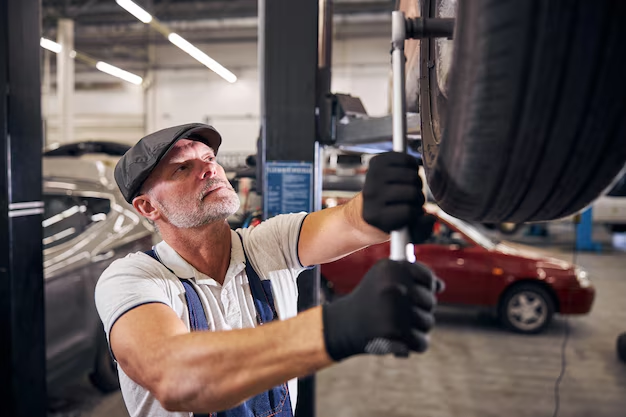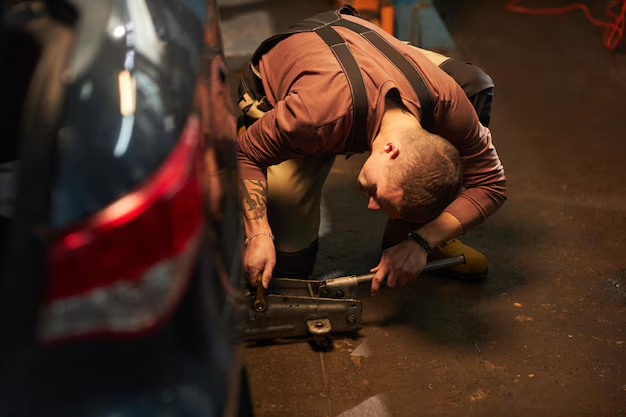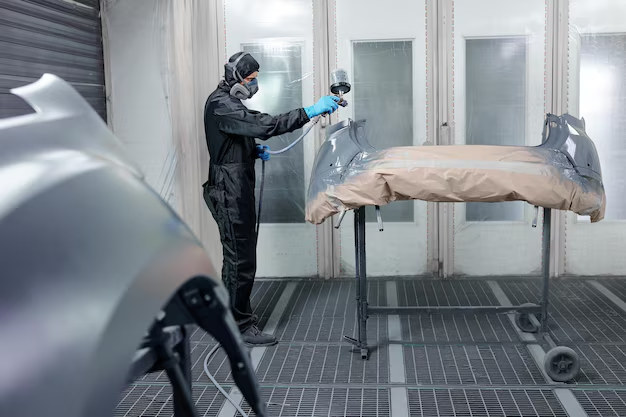
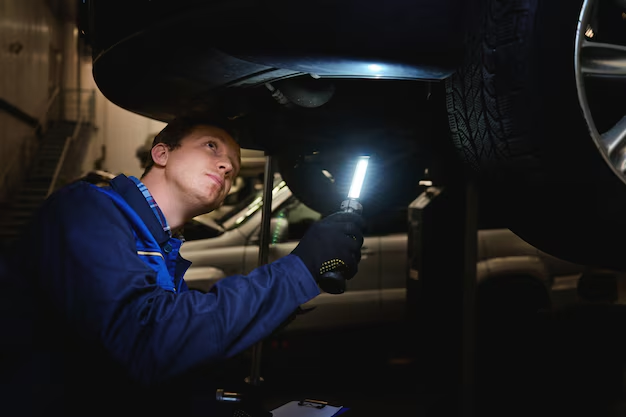
Mechanic working on laptop during service

Preventing Costly Repairs: Comprehensive Vehicle Diagnostics & Inspections in Lomita

Owning a car in Lomita, CA means enjoying the convenience of quick trips to the beach or a scenic drive through the hills. However, the last thing any vehicle owner wants is to be stranded on the side of the road due to unexpected breakdowns. Regular vehicle diagnostics and inspections are essential for preventing costly repairs and ensuring your car runs smoothly. In this guide, we’ll explore the importance of thorough vehicle checks and how they can save you time and money.

Understanding Vehicle Diagnostics

Vehicle diagnostics are like a health check-up for your car. They help in identifying potential problems before they turn into costly repairs.

What Are Vehicle Diagnostics?

Vehicle diagnostics involve using specialized software and tools to scan and check a car’s electronic systems. Modern vehicles have complex computer systems that monitor performance, and diagnostics can detect issues such as engine problems, transmission faults, and electrical malfunctions.

Why Are Diagnostics Important?

Regular diagnostics can catch issues early, preventing more severe damage. For example, identifying a minor engine misfire can prevent long-term damage to the engine that might lead to a complete overhaul. Ensuring these checks are part of your routine maintenance can save you from unexpected repair bills.

How Often Should You Get Diagnostics?

For most vehicles, a diagnostic check is recommended at least once a year. However, if you notice any unusual behavior, such as warning lights on the dashboard or strange noises, it’s wise to get a diagnostic check immediately.

The Role of Car Inspections

Car inspections go hand-in-hand with diagnostics, providing a thorough evaluation of your vehicle’s condition.

What Does a Car Inspection Include?

A comprehensive car inspection will cover various components, including brakes, tires, suspension, and more. The goal is to ensure every part of the vehicle is functioning properly and safely.

Seasonal Inspections: A Smart Move

Lomita’s climate can vary, and seasonal inspections can help prepare your car for weather changes. For instance, checking the air conditioning before summer or the heating system before winter ensures comfort and safety all year round.

Local Expertise Matters

Choosing a local service like Hillside Auto Clinic ensures that your vehicle receives care from professionals who understand the specific needs of cars driven in Lomita. They are familiar with the common issues that cars face in the area, providing tailored services to prevent costly repairs.

Identifying Common Car Issues

Recognizing common car issues early can prevent them from escalating into more serious problems.

Engine and Transmission Concerns

Issues with the engine or transmission are among the most expensive repairs. Early signs of trouble include unusual noises, difficulty shifting gears, or decreased performance. A diagnostic check can pinpoint these issues early.

Brake System Warnings

Your vehicle’s brakes are crucial for safety. If you notice squeaking or grinding noises, or if the brake pedal feels spongy, it’s time to get an inspection. Regular checks can identify worn brake pads or other problems before they lead to brake failure.

Electrical System Malfunctions

Modern cars rely heavily on electrical systems for everything from starting the engine to operating the windows. Flickering lights or non-functional components are signs that your car needs an electrical system inspection.

The Impact of Preventive Maintenance

Preventive maintenance is key to extending the life of your vehicle and avoiding unexpected breakdowns.

Routine Check-ups and Their Benefits

Routine maintenance tasks like oil changes, tire rotations, and fluid checks can prevent a host of issues. They keep your car running efficiently and help maintain optimal performance.

The Cost-Effectiveness of Regular Maintenance

While routine maintenance incurs some upfront costs, it saves money in the long run by preventing the need for expensive repairs. Think of it as an investment in the longevity of your vehicle.

Partnering with a Reliable Service Provider

Establishing a relationship with a trusted service provider like Hillside Auto Clinic ensures consistency in care. They maintain a history of your vehicle’s maintenance, making it easier to identify potential issues and plan future services.

Tips for Finding a Reliable Auto Clinic

Choosing the right auto clinic is crucial for quality vehicle care.

What to Look for in a Service Provider

Look for a clinic with certified technicians, positive customer reviews, and a commitment to transparency. A good service provider will offer detailed explanations and options for any necessary repairs.

The Advantage of Local Expertise

Local clinics, like Hillside Auto Clinic, are familiar with the specific needs and common issues of vehicles in Lomita. They provide personalized service and are more accessible for follow-up visits or urgent needs.

Building a Long-term Relationship

Having a long-term relationship with your auto clinic means you can trust them with your vehicle. They’ll have a comprehensive understanding of your car’s history and needs, ensuring more accurate diagnostics and effective maintenance.

The Importance of Timely Repairs

Addressing repairs promptly is essential to prevent further damage and ensure safety.

The Risks of Delaying Repairs

Ignoring minor issues can lead to significant damage. For instance, a small coolant leak can cause engine overheating, leading to costly repairs or even engine replacement.

Ensuring Safety on the Road

Timely repairs ensure that your vehicle is safe to drive. This is particularly important for systems like brakes and steering, where failure can lead to accidents.

Maintaining Your Vehicle’s Value

Keeping your vehicle in good condition helps maintain its resale value. Regular maintenance and timely repairs demonstrate to potential buyers that the car has been well cared for.

Taking proactive steps with regular vehicle diagnostics and inspections is an essential part of responsible car ownership in Lomita. By catching potential issues early and maintaining your vehicle, you can enjoy peace of mind and avoid costly repairs. If you’re ready to ensure your vehicle is in top shape, contact Hillside Auto Clinic today. Their team of experienced professionals is here to provide the comprehensive care your car deserves.

Mechanic changing a vehicle tire

Restoring Your Ride: Auto Body & Collision Repairs in Lomita, CA

Owning a vehicle in Lomita, CA, is about more than just a mode of transport; it’s about the freedom to explore the scenic drive along the Pacific coast or easily navigate the vibrant streets of our community. However, every car owner has experienced that sinking feeling at the sight of a new dent or scratch. Whether it’s a minor fender bender or a major collision, auto body repair is an inevitable part of vehicle ownership. This guide will help you understand the essentials of auto body and collision repairs, ensuring your ride not only looks great but is safe and road-ready.

Understanding the Basics of Auto Body Repair

Auto body repair is more than just fixing dents; it is an intricate process that restores both the structural integrity and appearance of your vehicle.

What Does Auto Body Repair Include?

Auto body repair encompasses a variety of tasks, ranging from dent removal and paintwork restoration to fixing structural damages. Let’s consider a scenario where your vehicle suffers a minor collision in a parking lot. The impact might have caused visible dents and scraped paint, which could lead to rust if left unattended. Repairing these issues not only restores your car’s appearance but ensures it is safe to drive.

The Importance of Professional Repair

Choosing a professional repair service, like Hillside Auto Clinic in Lomita, ensures that your car is in the hands of experts. With the right tools and experience, professionals can restore your vehicle to its original condition, maintaining both its aesthetic and functional aspects. Consider the complexity of modern vehicles; components such as sensors and advanced materials require specialized knowledge for effective repairs. Attempting DIY solutions might seem cost-effective but can lead to further damage and higher costs in the long run.

Common Types of Auto Body Repairs

From minor scratches to major structural repairs, understanding the types of auto body repairs can help you know what to expect.

Minor Dents and Scratches

Minor dents and scratches are common, whether from a rogue shopping cart or a careless driver. While they can usually be fixed quickly and economically, leaving them unattended can lead to paint degradation and rust. A practical example is a small dent from a stone chip that, if ignored, can expand under the influence of moisture and temperature changes.

Preventative maintenance tips include parking away from high-traffic areas in parking lots and using car covers to protect your vehicle from environmental hazards. Regularly washing and waxing your car can also protect the paint and clear coat, making it more resistant to scratches.

Major Damage Repairs

More severe damage, such as that from a collision, might require extensive work. This can include replacing parts, frame straightening, and even custom paint jobs to ensure a seamless finish. For instance, in a high-impact collision, the car’s frame might be bent, compromising safety. Advanced technology and equipment are used to realign the frame to factory specifications, ensuring safety and performance.

Why Choose Collision Repair in Lomita?

Collision repair is a specialized field within auto body repair, focusing on restoring vehicles after significant impacts.

Specialized Equipment and Expertise

Collision repair demands specialized equipment and expertise. Hillside Auto Clinic utilizes advanced technology to assess and repair collision damage, ensuring your vehicle is safe and reliable. For example, computerized measuring systems are used to diagnose and rectify frame damage accurately, which is crucial for the vehicle’s safety post-repair.

Restoring Car Appearance and Safety

Post-collision repairs are crucial for safety. Beyond aesthetics, these repairs ensure that your vehicle’s structural integrity is restored, providing peace of mind every time you drive. The use of manufacturer-approved parts and materials ensures the vehicle performs as designed. Additionally, ensuring that safety systems such as airbags and seatbelts are fully operational post-repair is essential for the safety of the occupants.

The Process of Auto Body and Collision Repair

Understanding the repair process can alleviate some of the stress associated with vehicle damage.

Initial Assessment and Damage Evaluation

The first step in any repair process is a thorough assessment. Technicians evaluate the extent of damage to provide an accurate estimate and timeline for repairs. This phase often involves using digital imaging and measurement tools to assess hidden damage, ensuring a comprehensive repair plan.

Repair, Replacement, and Refinishing

Once the assessment is complete, repairs begin. This can involve replacing damaged parts, straightening frames, and refinishing surfaces to restore your car to its pre-accident condition. Skilled technicians use a combination of traditional craftsmanship and modern techniques to achieve a flawless finish. For instance, color matching technology ensures that new paint blends seamlessly with the existing paintwork, preserving the vehicle’s appearance and value.

Seasonal Tips for Maintaining Your Car’s Exterior

Lomita’s climate can affect your vehicle’s exterior. Here are some tips to keep your car looking its best year-round.

Protecting Your Car in Different Seasons

During hot summers, use a car cover to protect your paint from sun damage. Ultraviolet rays can cause paint to fade and clear coats to deteriorate. In the rainy season, regular washing can prevent water spots and rust. Moisture mixed with contaminants can lead to corrosion if left unchecked.

Regular Maintenance and Inspections

Routine inspections and maintenance can catch potential issues early. This proactive approach helps avoid costly repairs down the line. For example, regular checks for signs of rust and addressing them promptly can save you from extensive bodywork later. Regular waxing can also act as a protective barrier against the elements, extending the life of your vehicle’s paint.

Choosing the Right Auto Body Shop in Lomita

Selecting the right repair shop is crucial for quality repairs and customer satisfaction.

Factors to Consider

Consider the shop’s reputation, experience, and customer reviews. A well-regarded shop like Hillside Auto Clinic offers transparency, quality work, and excellent customer service. Visiting the shop to see their facilities and speaking with the technicians can also provide insights into their expertise and professionalism.

The Hillside Auto Clinic Advantage

At Hillside Auto Clinic, we pride ourselves on providing top-notch auto body and collision repairs. Our skilled technicians, state-of-the-art equipment, and commitment to customer satisfaction set us apart. We believe in building trust with our customers through clear communication and delivering exceptional results.

Taking the Next Step

Dealing with car damage is never fun, but with the right information and resources, you can restore your ride with confidence. If you’re in Lomita, CA, and need reliable auto body or collision repair, look no further than Hillside Auto Clinic. Our team is ready to help you get back on the road safely and stylishly. Contact us today to schedule an assessment and experience the difference in quality and service.

Mechanic servicing a braking system

Certified SMOG Check in Lomita, CA: Quick, Affordable & Compliant

Living in California has its perks, but it also comes with responsibilities, especially for vehicle owners. One such responsibility is ensuring that your car meets the state’s emissions standards. If you’re in Lomita, CA, and looking for a certified SMOG check, you’ve come to the right place. This guide will walk you through everything you need to know about getting a SMOG check in Lomita—quickly, affordably, and in compliance with California’s emissions laws.

Understanding SMOG Checks in California

What is a SMOG Check?

A SMOG check is a test that measures the pollutants coming from your vehicle’s exhaust. It ensures that your car meets the state’s emissions standards. In California, these checks are mandatory for most vehicles to reduce air pollution and help protect the environment. Think of a SMOG check as a health check-up for your car, ensuring it isn’t contributing to the pollution problem.

For instance, imagine your car as someone with a cold. If left untreated, it might spread germs to others. Similarly, unchecked vehicle emissions can contribute harmful pollutants to the environment, impacting air quality and health.

Why Are SMOG Checks Important?

SMOG checks are essential for several reasons. They help reduce harmful emissions, improve air quality, and ensure that your vehicle runs efficiently. Additionally, they are a legal requirement in California, and failing to comply can result in fines and registration issues. Consider the analogy of a city where everyone is smoking; the air quality deteriorates quickly. SMOG checks help keep the air ‘smoke-free’ by ensuring vehicles aren’t emitting excess pollutants.

From a cost perspective, addressing issues that lead to a failed SMOG check can vary. Replacing a faulty oxygen sensor might cost around $150-$300, while a new catalytic converter could set you back $1,000 or more. Regular maintenance can prevent these costly repairs by catching issues early.

Finding a Certified SMOG Station in Lomita

What Makes a Station Certified?

A certified SMOG station has met the California Bureau of Automotive Repair’s standards for equipment, training, and procedures. These stations are authorized to conduct SMOG tests and issue certificates of compliance. Imagine this certification as a seal of trust, much like a restaurant health grade, ensuring that the establishment meets certain standards.

Hillside Auto Clinic: Your Local Solution

If you need a certified SMOG check in Lomita, Hillside Auto Clinic is your go-to destination. Conveniently located, we offer reliable and affordable SMOG testing services. Our expert technicians ensure your vehicle complies with California emissions standards. Picture Hillside Auto Clinic as your local doctor for cars, providing the care and expertise needed to keep your vehicle healthy and compliant.

Preparing for Your SMOG Check

What to Bring

Before heading to the SMOG station, make sure you have all necessary documents. This includes your vehicle registration, proof of insurance, and a valid driver’s license. Having these ready will streamline the process. It’s akin to having all your paperwork ready before a doctor’s appointment, ensuring a smooth and hassle-free experience.

Vehicle Maintenance Tips

To increase the chances of passing your SMOG check, perform basic maintenance on your vehicle. Ensure your engine is running smoothly, check your oil levels, and inspect your air filters. Regular maintenance is like brushing your teeth daily to prevent cavities—simple actions that prevent bigger problems.

For example, replacing a dirty air filter, which costs as little as $20, can improve your car’s performance and emissions output. Regular oil changes, typically ranging from $30 to $100, can also ensure your engine runs cleanly, reducing the likelihood of failing a SMOG test.

The SMOG Check Process

What to Expect During the Test

During a SMOG check, technicians will inspect your vehicle’s emissions system and perform various tests. This process usually takes about 20-30 minutes. It’s a straightforward procedure, but understanding what happens can ease any anxiety. Think of it as a routine dental cleaning—important and painless, but essential for long-term health.

Common Reasons for Failing

Some common reasons vehicles fail the SMOG check include faulty oxygen sensors, worn-out spark plugs, and a malfunctioning catalytic converter. Regular maintenance can help avoid these issues. Much like how regular exercise prevents health problems, maintaining your vehicle prevents costly repairs and compliance issues.

Affordable SMOG Tests in Lomita

Cost Factors

The cost of a SMOG check can vary based on the type of vehicle and the specific station. However, certified stations like Hillside Auto Clinic offer competitive pricing to ensure affordability. For example, the average cost of a SMOG test in California is around $30 to $60, but prices can fluctuate based on vehicle type and location.

Seasonal Discounts and Offers

Keep an eye out for seasonal discounts or promotions. Hillside Auto Clinic often provides special offers to help you save on your SMOG test, making compliance with emissions regulations even more accessible. Much like holiday sales in retail, these discounts can make necessary tasks more budget-friendly.

Ensuring Vehicle Compliance in Lomita

Understanding California’s Emissions Standards

California has some of the strictest emissions standards in the country. Staying informed about these regulations is crucial for vehicle owners. Regular SMOG checks help you stay compliant and avoid legal issues. Consider it akin to knowing the rules of the road; understanding emissions standards helps you navigate the complexities of vehicle ownership in California.

The Role of Hillside Auto Clinic

At Hillside Auto Clinic, we are committed to helping Lomita residents maintain vehicle compliance. Our knowledgeable team is always available to answer questions and provide guidance on emissions standards. Think of us as your GPS, guiding you through the compliance journey and ensuring you stay on the right path.

Keeping Your Vehicle in Top Shape

Regular Maintenance Schedules

A well-maintained vehicle is more likely to pass a SMOG check. Follow a regular maintenance schedule and address any issues promptly. This not only helps with emissions but also extends the life of your vehicle. It’s similar to following a balanced diet and exercise regime, promoting overall health and longevity.

The Importance of Professional Assistance

While some maintenance tasks can be DIY, others require professional expertise. Hillside Auto Clinic offers comprehensive services to keep your vehicle running smoothly and compliant with emissions standards. Think of it as knowing when to see a specialist rather than self-diagnosing—a professional touch can make all the difference.

As a vehicle owner in Lomita, CA, staying on top of your SMOG check requirements is crucial. Not only does it ensure compliance with state laws, but it also contributes to a cleaner environment. Don’t wait until the last minute—schedule your SMOG check with Hillside Auto Clinic today. 

Our friendly and knowledgeable team is ready to help keep your vehicle in perfect compliance. Contact us now to book your appointment and take the first step towards cleaner driving.

Mechanic using laptop while servicing engine

Why Regular Factory Scheduled Maintenance is Crucial in Lomita, CA

If you’re a vehicle owner in Lomita, CA, you’ve likely wondered about the importance of sticking to your car’s factory-scheduled maintenance. Regular maintenance is more than just another task on your to-do list; it’s a vital component that ensures your vehicle runs smoothly and safely. In this guide, we’ll explore why factory-scheduled maintenance is essential, how it benefits your car, and why Hillside Auto Clinic is your go-to for expert service in Lomita.

Understanding Factory Scheduled Maintenance

What is Factory Scheduled Maintenance?

Factory scheduled maintenance refers to the routine service tasks recommended by your vehicle’s manufacturer to keep your car running efficiently. These tasks are outlined in your owner’s manual and typically include oil changes, tire rotations, brake inspections, and more. Consider it as your car’s personalized health plan, designed to keep it in peak condition.

Imagine your car as a finely-tuned orchestra, where each component plays a critical role in the overall performance. Just as a conductor keeps the music flowing smoothly, factory scheduled maintenance orchestrates the harmony of your vehicle’s systems, preventing any discord that could lead to major issues.

The Manufacturer’s Perspective

Car manufacturers design maintenance schedules based on rigorous testing and engineering insights. These schedules are intended to optimize the performance and longevity of your vehicle. Ignoring these recommendations can lead to costly repairs and unexpected breakdowns. It’s akin to ignoring a doctor’s advice on managing health conditions—neglecting it may result in complications that could have been easily avoided.

For instance, skipping regular oil changes can lead to engine sludge, a thick, tar-like substance that can severely damage your engine. Repairing or replacing an engine can cost anywhere from $3,000 to $7,000, whereas an oil change costs around $30 to $100. This stark contrast highlights why adhering to maintenance schedules is financially prudent.

Common Maintenance Tasks

Regular maintenance tasks include oil changes, which keep your engine lubricated and running smoothly, and tire rotations, which ensure even tire wear and extend tire life. Other tasks might include replacing filters, checking fluid levels, and inspecting belts and hoses. Think of these tasks as the routine check-ups and cleanings that keep your car healthy, much like regular visits to the dentist maintain oral health.

Preventative measures such as regularly checking and topping off fluid levels can save you from unexpected breakdowns. For example, a simple habit of checking your coolant level once a month can prevent overheating, which could otherwise lead to a blown head gasket—a repair that can cost between $1,000 and $2,000.

Benefits of Regular Maintenance

Extending Vehicle Lifespan

Routine maintenance is your best defense against premature wear and tear. By addressing potential issues before they become major problems, you can extend the lifespan of your vehicle and save money in the long run. Just as regular exercise and a balanced diet can add years to your life, consistent maintenance can add miles to your car’s odometer.

Consider a practical example: replacing a worn-out timing belt before it snaps can save you from engine damage that might cost upwards of $1,500. With timely maintenance, such issues can be prevented, ensuring your vehicle remains a reliable companion for years.

Enhancing Safety

A well-maintained vehicle is a safer vehicle. Regular checks ensure that critical components like brakes and tires are in optimal condition, reducing the risk of accidents. Imagine driving on a rainy day in Lomita, where sudden stops are necessary. Well-maintained brakes can make all the difference between a close call and a collision.

To maintain safety, regularly inspect tire tread depth and brake pads. Replacing brake pads before they wear thin, which typically costs $150 to $300, is far more cost-effective than dealing with the aftermath of an accident due to brake failure.

Improving Fuel Efficiency

Well-maintained cars run more efficiently, which means better fuel economy. With regular oil changes and air filter replacements, your engine doesn’t have to work as hard, saving you money at the pump. Picture this: a car with a clean air filter is like a person breathing fresh, unpolluted air—both perform optimally.

A clogged air filter can reduce gas mileage by up to 10%. If you’re spending $100 a month on gas, this small oversight could cost you an extra $10 monthly, adding up over time. Regular maintenance ensures you get the most out of every gallon.

The Lomita Advantage: Why Location Matters

Local Climate Considerations

Lomita’s mild climate can be both a blessing and a curse for car owners. While you may not face harsh winter conditions, the area’s warm weather can lead to specific wear and tear issues, such as overheating. Regular maintenance helps mitigate these risks. Think of your car as a marathon runner in a warm climate; it needs proper hydration and cooling to perform well.

To counteract the effects of heat, ensure your cooling system is in top shape. Regularly flush and replace coolant every 30,000 miles or as recommended. This simple step can prevent overheating, which might otherwise lead to costly repairs, such as replacing a radiator for $300 to $1,000.

Navigating Lomita Traffic

Frequent stop-and-go traffic in Lomita can be tough on your vehicle. Regular maintenance ensures that your car can handle the demands of local driving conditions without missing a beat. It’s like a dancer keeping rhythm despite frequent pauses and changes in music.

Properly maintaining your transmission fluid is essential in such conditions. Transmission repairs can range from $1,000 to $5,000, but regular fluid checks and changes can prolong the life of your transmission, saving you from these hefty costs.

Supporting Local Businesses

Choosing a local service like Hillside Auto Clinic not only ensures that you receive expert care tailored to your environment but also supports the local economy. It’s a win-win situation where you receive personalized care while contributing to the community’s prosperity.

Seasonal Maintenance Tips

Preparing for Summer

As temperatures rise, your car’s cooling system becomes essential. Ensure that coolant levels are adequate and that the air conditioning system is functioning properly. Regular checks help prevent overheating and keep you cool on the road. Imagine your car as a sunbather; without proper sunscreen, or in this case, coolant, the heat can cause serious damage.

Winter Preparations

Even in Lomita, it’s wise to prepare for cooler weather. Inspect your battery, as colder temperatures can affect its performance. Ensure that your heater and defroster are working efficiently for those chilly mornings. Think of your car as a person bundling up for a brisk morning jog; proper preparation ensures comfort and performance.

The Importance of Timing

Sticking to a seasonal maintenance schedule ensures that your vehicle is ready for any weather conditions. This proactive approach helps avoid inconvenient breakdowns and costly repairs. It’s like rotating your wardrobe with the seasons—being prepared means you’re never caught off guard.

Why Choose Hillside Auto Clinic?

Expertise and Experience

At Hillside Auto Clinic, our team of certified technicians has extensive experience with a wide range of vehicles. We know the ins and outs of factory scheduled maintenance and are committed to keeping your car running smoothly. Picture us as the personal trainers of the automotive world, dedicated to maintaining your vehicle’s peak performance.

Customer-Centric Approach

We pride ourselves on offering personalized service that caters to the unique needs of each customer. Our friendly staff is always ready to answer your questions and provide honest advice, much like a trusted friend who always has your best interests at heart.

Convenient Location and Services

Located in the heart of Lomita, Hillside Auto Clinic is easily accessible. We offer a range of services from oil changes and tire rotations to comprehensive inspections, all designed to meet your maintenance needs. Our location is like a convenient neighborhood cafe—close, familiar, and always ready to serve.

How to Get Started

Scheduling Your Service

Getting started with factory scheduled maintenance is as simple as calling or visiting Hillside Auto Clinic. Our team will help you determine the best schedule for your vehicle based on its age, mileage, and condition. It’s like setting a regular appointment with a personal trainer to keep your car in top shape.

Preparing for Your Appointment

Before your appointment, check your owner’s manual for any specific maintenance guidelines. Jot down any questions or concerns you might have to discuss with our technicians. This preparation is akin to doing a little homework before visiting a doctor, ensuring you get the most out of your visit.

What to Expect

During your visit, expect a thorough inspection and honest feedback about your vehicle’s condition. Our goal is to provide you with peace of mind knowing your car is in expert hands. Consider us your car’s best advocate, always striving to keep it running like new.


In summary, factory-scheduled maintenance is a critical component of vehicle ownership in Lomita, CA. By adhering to your car’s maintenance schedule, you ensure its longevity, safety, and efficiency. Trust Hillside Auto Clinic to provide the expert care and personalized service your vehicle deserves. Contact us today to schedule your next maintenance appointment and keep your car running like new!

7 Mistakes You're Making with Car Maintenance (and How to Fix Them Before They Cost You Thousands)

Are you unknowingly setting yourself up for a massive auto repair bill? Most car owners think they're doing everything right, but small oversights in routine maintenance can snowball into thousands of dollars in unexpected repairs. The good news? These costly mistakes are completely preventable once you know what to look for.

Let's dive into the seven most expensive car maintenance mistakes drivers make every day – and more importantly, how you can avoid them starting today.

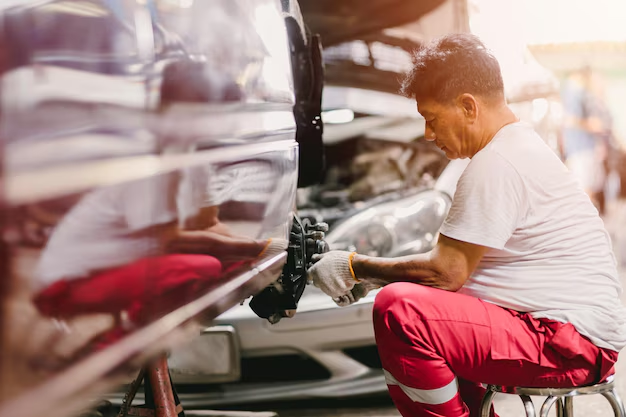
1. Skipping or Delaying Oil Changes

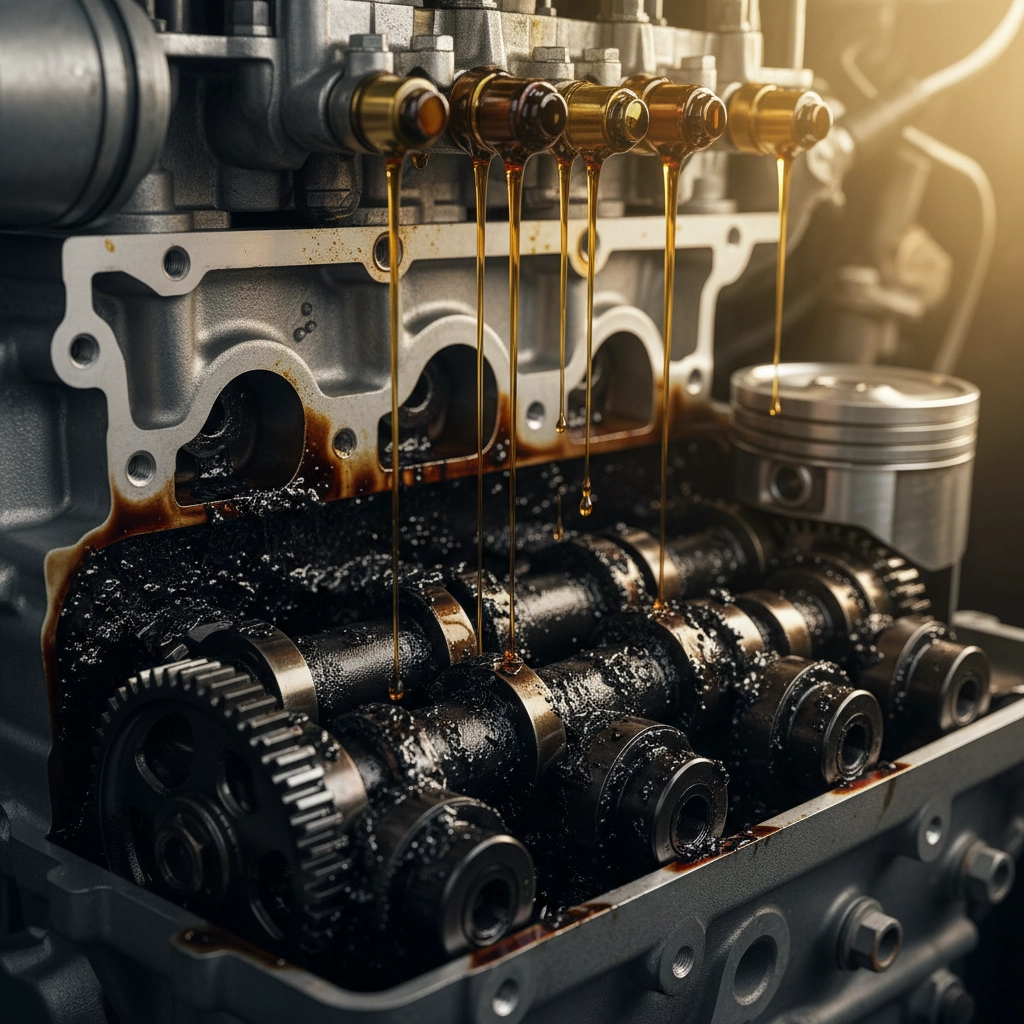
Here's the truth: your engine oil is working harder than you think. It's not just lubricating moving parts – it's carrying away heat, collecting dirt and debris, and preventing metal-on-metal contact that would destroy your engine in minutes.

When you skip oil changes or push them too far past the recommended interval, that oil breaks down and becomes contaminated. What started as smooth, protective liquid turns into thick sludge that can't do its job. The result? Engine seizure, bearing damage, and repairs that can easily cost $3,000 to $8,000 or more.

The Fix: Follow your manufacturer's oil change schedule religiously. Most modern vehicles need oil changes every 5,000 to 7,500 miles, but check your owner's manual for specifics. If you drive in stop-and-go traffic, extreme temperatures, or dusty conditions, you might need more frequent changes. Don't wait until that oil change reminder light comes on – schedule your next appointment before you need it.

image_1

2. Ignoring Tire Pressure and Rotation

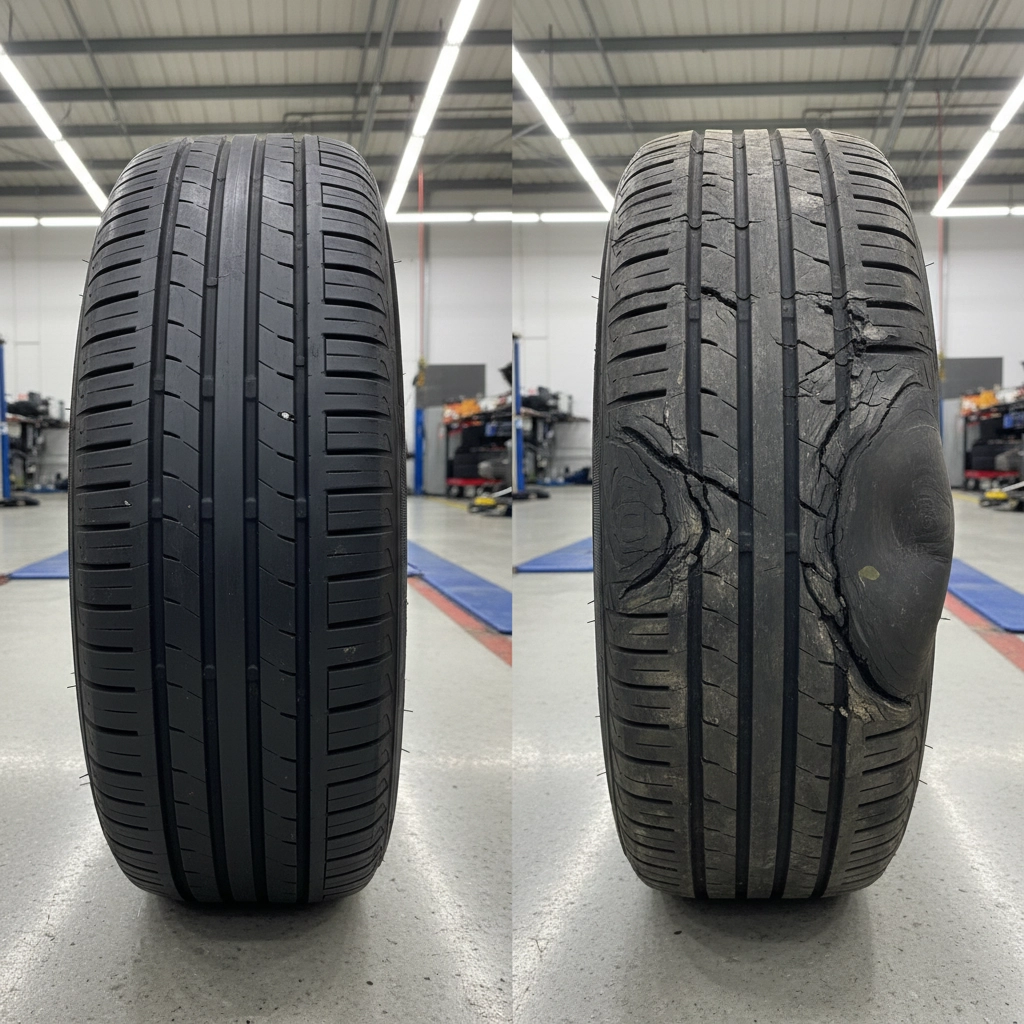
Your tires are literally where the rubber meets the road, yet they're often the most neglected part of vehicle maintenance. Under-inflated tires don't just hurt your gas mileage – they create dangerous heat buildup that can lead to sudden blowouts on the highway. Over-inflated tires reduce your car's contact with the road, making it harder to stop and steer safely.

But here's what really hurts your wallet: improper tire pressure causes uneven wear patterns. Instead of getting 50,000 miles out of a set of tires, you might only get 30,000. With quality tires costing $600 to $1,200 for a full set, that premature replacement adds up quickly.

The Fix: Check your tire pressure at least once a month using a reliable tire gauge. The correct pressure is listed on a sticker inside your driver's side door frame – not on the tire sidewall. Rotate your tires every 5,000 to 8,000 miles to ensure even wear. Most tire shops will do this for under $50, which is a lot less than buying new tires early.

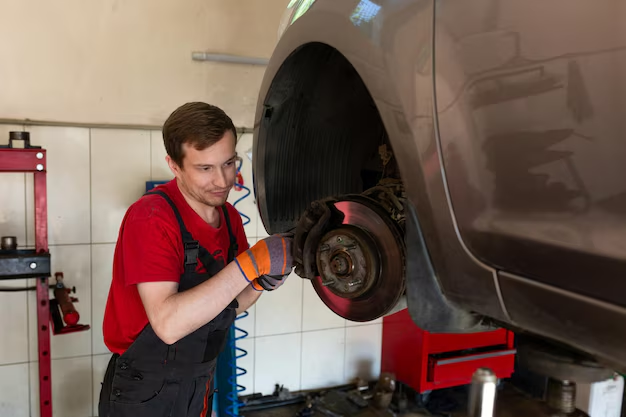
3. Putting Off Brake Maintenance

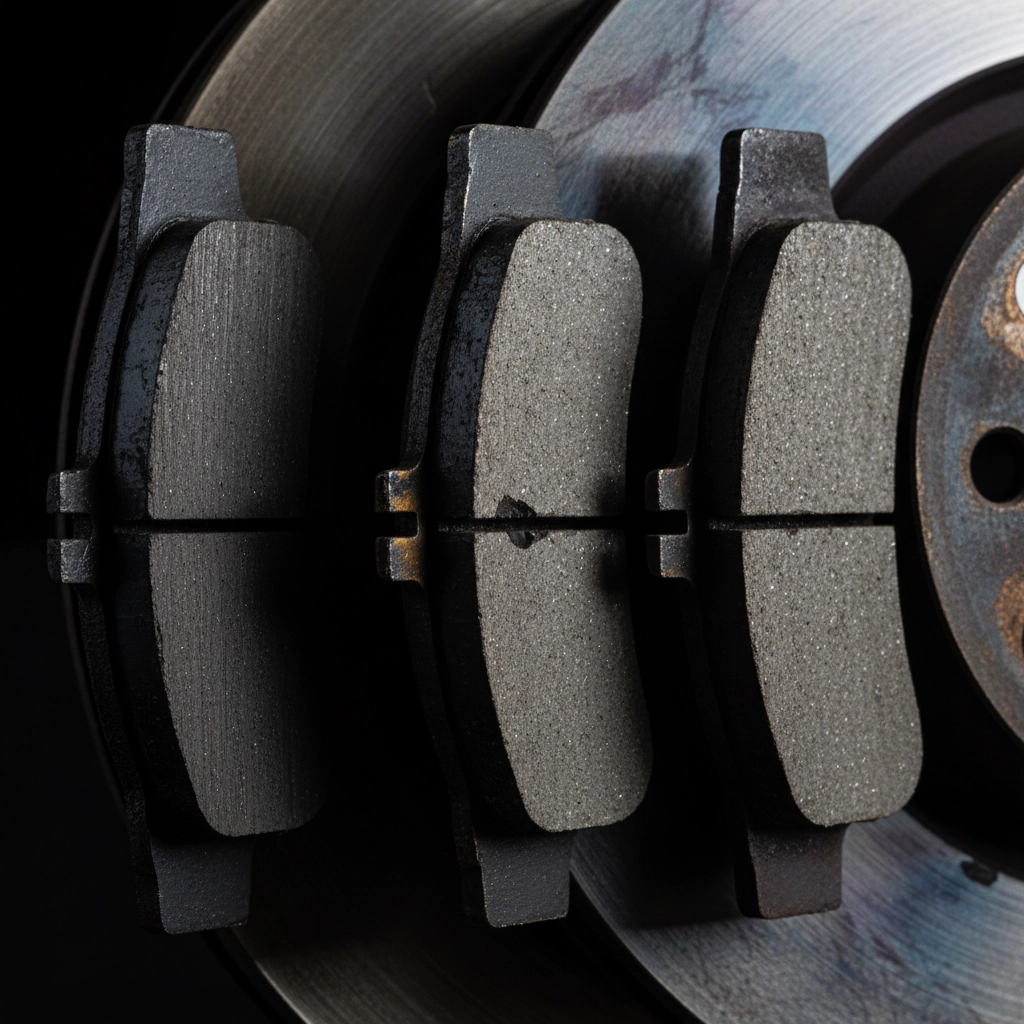
Your brakes give you plenty of warning before they fail completely, but too many drivers ignore the signs. That high-pitched squealing when you stop? Those are wear indicators telling you it's time for new brake pads. That grinding noise? That's metal-on-metal contact, and you're now damaging rotors along with pads.

When brake pads wear down completely, the metal backing plate grinds against your rotors, creating grooves and heat damage. What could have been a $150 pad replacement becomes a $600+ job requiring new rotors. Wait too long, and you might need to replace the entire braking system.

The Fix: Have your brakes inspected every time you get an oil change. Don't ignore squealing, grinding, or vibration when braking. If your brake pedal feels spongy or travels farther to the floor than usual, get it checked immediately. Early brake pad replacement is always cheaper than rotor replacement. For expert brake service, you can learn more about choosing the right brake repair service.

image_2

4. Dismissing Dashboard Warning Lights and Strange Noises

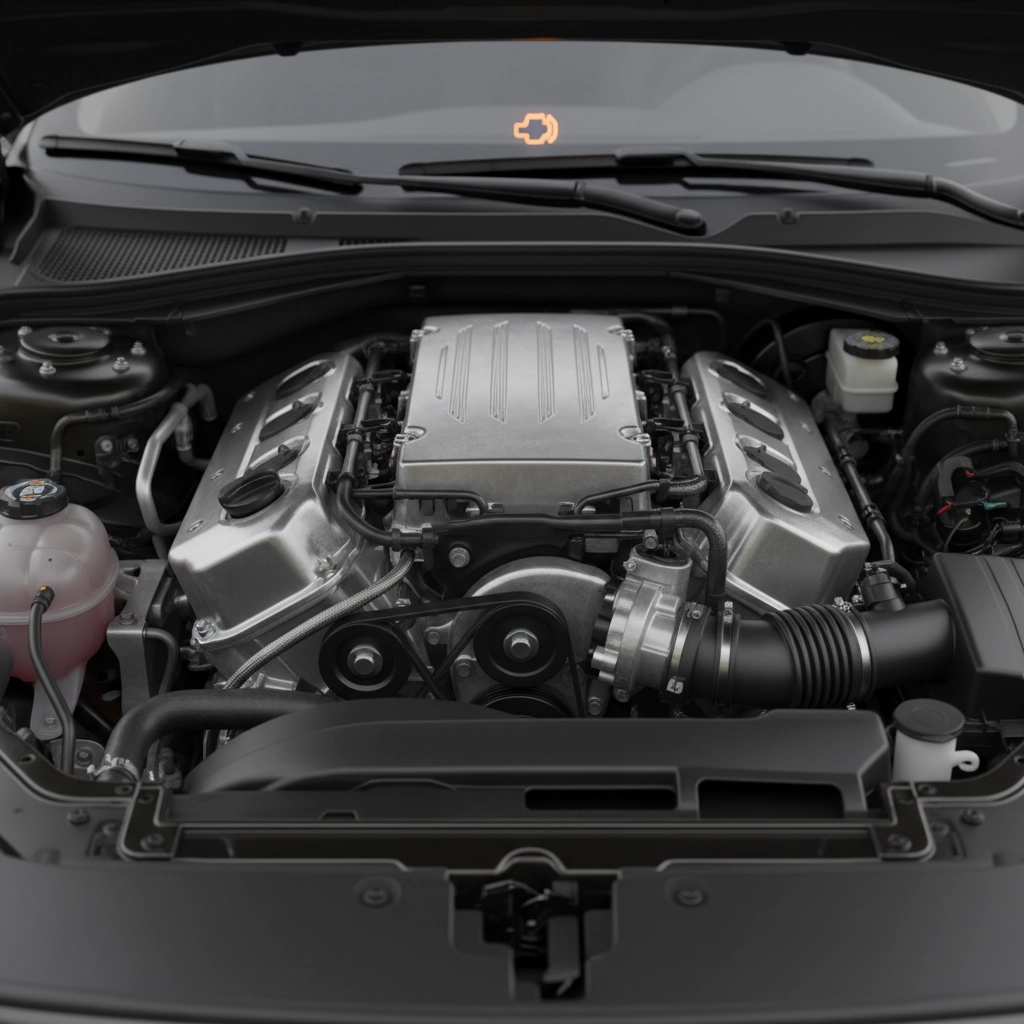
Modern cars are equipped with sophisticated computer systems designed to warn you about problems before they become catastrophic. That check engine light isn't just a suggestion – it's your car's way of telling you something needs attention now, before it gets worse.

The same goes for strange noises. That squealing from under the hood might be a worn belt that costs $50 to replace. Ignore it, and that belt could snap, leaving you stranded and potentially damaging other engine components. Those clicking sounds when you turn could indicate worn CV joints – a few hundred dollars to fix now, or over $1,000 if they fail completely.

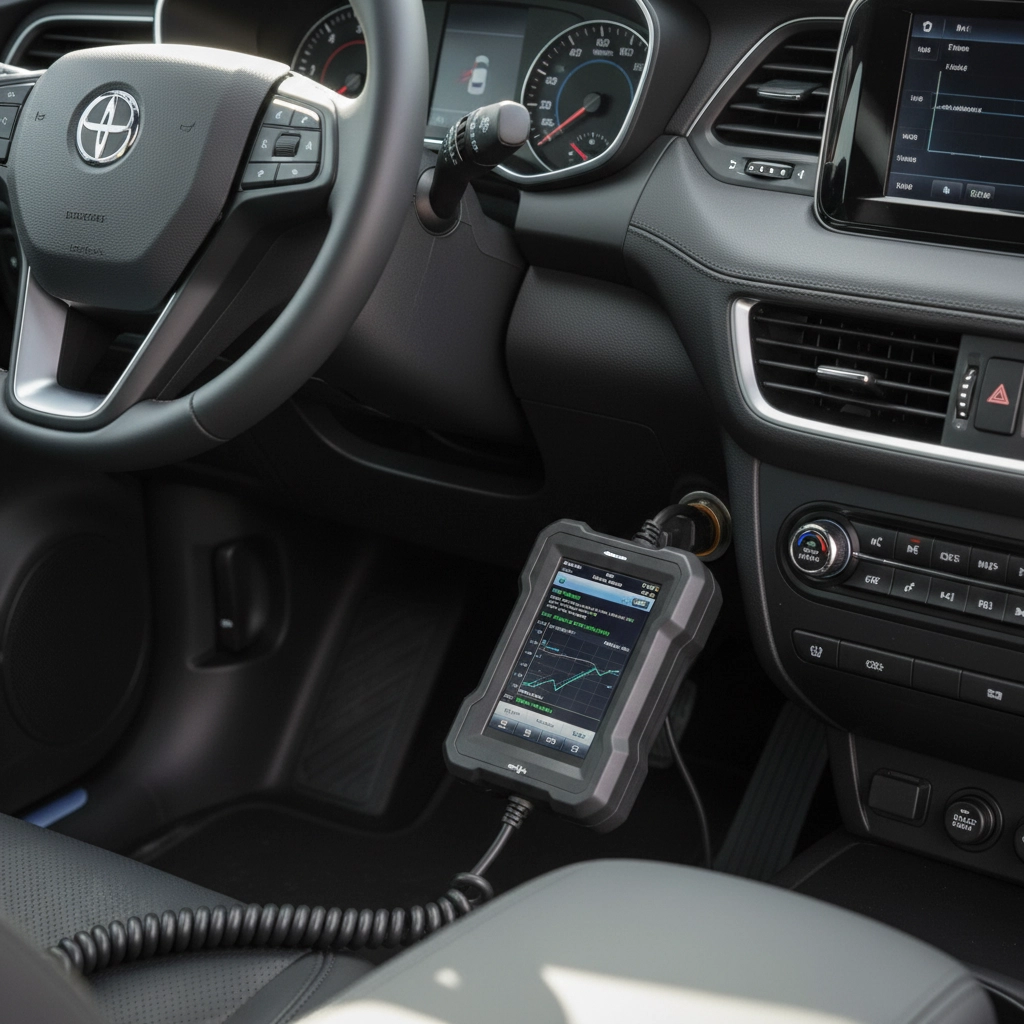
The Fix: Never ignore dashboard warning lights or unusual noises. Modern diagnostic systems can pinpoint problems before they cause major damage. When a warning light comes on, have it diagnosed promptly – even if the car seems to run fine. Strange noises are often the first sign of impending mechanical failure. For comprehensive diagnostics, check out our guide on how regular engine diagnostics can prevent major repairs.

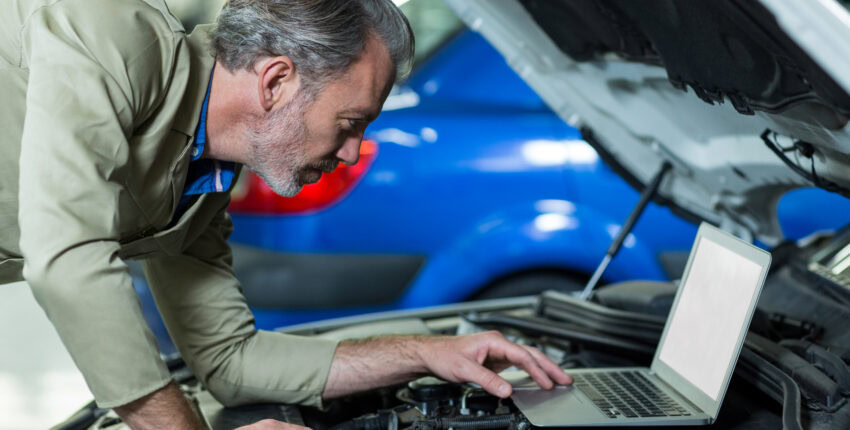
5. Overestimating DIY Skills

We get it – YouTube makes everything look easy, and saving money on repairs is appealing. But automotive repair requires specialized tools, knowledge, and experience. What looks like a simple job can quickly become complicated when you discover additional problems or realize you're in over your head.

DIY disasters we see regularly include stripped drain plugs from over-tightening, wrong parts installation, and electrical damage from incorrect procedures. These mistakes often cost more to fix than the original problem would have cost at a professional shop.

The Fix: Be honest about your skill level and stick to basic maintenance you're confident about – checking fluids, replacing air filters, or changing wiper blades. For anything involving the engine, transmission, brakes, or electrical system, consult professionals. When you do attempt DIY work, use proper tools, follow manufacturer procedures exactly, and don't be afraid to ask for help if you get stuck.

image_3

6. Neglecting Battery and Electrical System

Car batteries don't usually fail gradually – they often work fine one day and leave you stranded the next. But there are warning signs if you know what to look for. Slow cranking, dim headlights, or a battery that's more than three years old are all signals that replacement time is approaching.

Beyond the inconvenience of being stranded, a failing battery can damage other electrical components. When a battery struggles to provide adequate power, alternators work harder and can burn out prematurely. Voltage fluctuations can also damage sensitive electronic modules, leading to expensive computer replacements.

The Fix: Have your battery tested annually after it's three years old. Clean corrosion from terminals regularly – that white, crusty buildup prevents proper electrical connection. If you notice slow starting or dim lights, don't wait for complete failure. Replacing a battery proactively costs around $150, while replacing an alternator damaged by a failing battery can cost $500 or more.

7. Using Wrong Fuel and Ignoring Fluid Maintenance

Your car's engine was designed for a specific octane rating, and using the wrong fuel can cause problems. While using higher octane than required won't hurt anything (except your wallet), using lower octane in a car that requires premium can cause engine knock, reduced performance, and long-term damage.

But fuel isn't the only fluid that matters. Coolant prevents overheating and freezing, brake fluid ensures safe stopping, and transmission fluid keeps your transmission shifting smoothly. Neglecting these fluids or using the wrong type can lead to complete system failures costing thousands to repair.

The Fix: Always use the fuel octane rating specified in your owner's manual – you'll find it on a sticker inside your fuel door too. Have all fluids checked and changed according to manufacturer schedules. Don't assume all fluids are the same – different vehicles require different specifications. When in doubt, consult your manual or a trusted technician. Learn more about choosing the right oil and filter for your vehicle.

Don't Wait Until It's Too Late

The common thread in all these mistakes? They're all preventable with regular maintenance and attention to warning signs. The few hundred dollars you spend on routine maintenance can save you thousands in major repairs down the road.

At Hillside Auto Clinic, we've seen firsthand how these simple oversights can turn into expensive headaches. That's why we focus on honest, preventive care that catches problems early. We'd rather help you avoid a major repair than profit from one after it's too late.

Ready to get ahead of potential problems? Our experienced technicians can help you develop a maintenance schedule that fits your driving habits and budget. Contact us today to learn more about keeping your vehicle reliable and your repair costs manageable.

Vehicle emissions and SMOG check service

SMOG Check Secrets Revealed: What Lomita Drivers Don't Know About 2025 Regulations

Have you ever wondered if you're missing something important about California's smog check requirements? You're not alone. Many Lomita drivers are navigating 2025 with outdated information about emissions testing, and frankly, the state isn't making it easy to stay informed.

The truth is, California's smog regulations are changing faster than most people realize, and some of these changes could save you time and money: while others might catch you completely off guard. Let's dive into what you really need to know.

The Smog Abatement Fee: Your Time-Saving Secret

Here's something most Lomita drivers don't know: if your vehicle is 8 years old or newer, you might not need to get an actual smog check at all. Instead, you can pay a smog abatement fee and skip the entire testing process.

This isn't widely advertised, and there's been some confusion about the exact timeline. Some sources mention the fee applies to vehicles in their first 12 years of registration, while others specify only the first 8 years. This confusion stems from California's constantly evolving regulations as agencies scramble to keep up with new legislation and EPA requirements.

For example, if you're driving a 2018 model vehicle in 2025, you're still in the clear to pay the fee instead of scheduling an appointment. No waiting in line, no worrying about whether you'll pass: just a simple fee payment during registration renewal.

image_1

October 2025: The Game Changer You Haven't Heard About

Mark your calendar for October 1, 2025. This date represents the most significant change to California's smog inspection program in years, and it's flying completely under the radar for most drivers.

The Bureau of Automotive Repair has approved new regulations that will make passing smog inspections considerably more difficult. These changes specifically target your vehicle's On-Board Diagnostic II (OBD-II) system: that's the computer that monitors your car's emissions and performance.

What does this mean for you? Vehicles that have been squeaking by with marginal passes might suddenly find themselves failing inspections. If your check engine light has been coming on occasionally, or if you've been putting off addressing minor engine issues, October 2025 could be a rude awakening.

The smart move? Get your vehicle evaluated before these stricter standards take effect. Think of it as preventive maintenance for your registration renewal.

Understanding the Current Age-Based System

Let's clear up the confusion about when your vehicle actually needs testing. The system is simpler than many people think, but misinformation abounds.

Vehicles that are 9 years or older must pass smog checks every other year during registration renewal. So if you own a 2017 model vehicle, your first required smog check was due in 2025. For a 2016 model, it was due in 2024, then again in 2026.

Here's where it gets interesting: vehicles 8 years or newer are exempt from testing but must pay that smog abatement fee we discussed earlier. This creates a sweet spot for newer vehicle owners who can avoid the hassle entirely.

image_2

Vehicle Sales and Transfers: The Hidden Requirements

Planning to sell your car or buy a used one? There's a smog check requirement that catches many people by surprise.

Any vehicle more than 4 model years old requires a valid smog certificate when changing ownership. This applies to private sales, dealer transactions, and most transfers. The certificate must be dated within 90 days of the sale.

However, there's an important exception: transfers between immediate family members (spouse, child, sibling, grandparent, grandchild) are exempt from this requirement. Keep this in mind if you're planning family vehicle transfers: it could save you time and money.

Commercial Fleet Changes: What Small Business Owners Need to Know

If you operate any commercial vehicles, 2025 brings significant changes that extend beyond typical passenger car regulations.

Starting January 1, 2025, commercial fleets operating in or entering California must comply with new Clean Truck Check (CTC) regulations. These require emissions tests twice annually, escalating to four times per year by 2027.

While this primarily affects larger commercial operations, it signals California's increasingly aggressive approach to emissions control. Small business owners with commercial vehicles should stay informed about how these changes might trickle down to smaller fleet requirements.

image_3

The Reality of Constantly Changing Rules

Perhaps the biggest "secret" about California's smog regulations is that they're in constant flux. What you knew last year might not apply today, and what applies today might change next month.

Agencies are continuously updating requirements to align with new legislation, EPA mandates, and environmental goals. This creates confusion for drivers and even service providers who struggle to keep up with the latest changes.

Your best defense? Work with a smog check provider who stays current with regulatory changes and can guide you through the process regardless of what new requirements emerge.

Preparing for Success: Practical Steps You Can Take

Don't wait until your registration renewal notice arrives to think about smog compliance. Here's what you can do to stay ahead of the game:

For vehicles approaching the 8-year mark: Start monitoring your vehicle's diagnostic systems. Any check engine lights or performance issues should be addressed before you transition from fee-exempt to testing-required status.

For older vehicles: Consider a pre-inspection diagnostic check, especially with the stricter OBD-II standards coming in October 2025. It's better to discover and fix issues on your timeline rather than during a rushed registration renewal.

For all drivers: Keep your vehicle well-maintained with regular oil changes, air filter replacements, and tune-ups. A well-maintained vehicle is much more likely to pass emissions testing.

Why Professional Guidance Matters

Navigating California's smog regulations doesn't have to be stressful. The key is working with professionals who understand both current requirements and upcoming changes.

At Hillside Auto Clinic, we've been helping Lomita drivers navigate smog requirements for years. We stay current with regulatory changes so you don't have to worry about whether your information is outdated.

Our approach is straightforward: we'll test your vehicle, explain any issues in plain English, and provide honest recommendations for getting back into compliance. No surprises, no unnecessary upsells: just reliable service you can count on.

Don't Get Caught Off Guard

The automotive landscape is changing rapidly, and staying informed about smog regulations is just one piece of the puzzle. With stricter standards coming in October 2025 and ongoing regulatory changes, the best time to address any vehicle issues is now.

Whether you need a routine smog check, diagnostic services, or simply want to ensure your vehicle is ready for upcoming regulatory changes, we're here to help. Contact us today to schedule your appointment and drive with confidence knowing you're compliant with all current and upcoming regulations.

Your vehicle's compliance is too important to leave to chance. Let's make sure you're ready for whatever 2025 brings.

Automotive diagnostics featured image

7 Mistakes You're Making with Car Maintenance (and How Snap Finance Can Fix Them)

Let's be honest: car maintenance can feel overwhelming, expensive, and frankly, like something you'd rather put off until tomorrow. But here's the thing: those small "I'll deal with it later" decisions are probably costing you way more than you think. At Hillside Auto Clinic, we've seen these same seven mistakes over and over again, and they're absolutely preventable.

The good news? Once you know what to look for, you can save yourself thousands of dollars and countless headaches. And if you're worried about the upfront costs of proper maintenance, there are financing options that can help spread out expenses: though we'll talk about choosing those wisely.

Mistake #1: Skipping Regular Oil Changes

This one's the granddaddy of all maintenance mistakes. Your engine oil doesn't just lubricate: it's literally the lifeblood of your car. When you push those oil change intervals too far, the oil breaks down into a thick, gunky sludge that clogs up your engine's vital parts.

We've seen engines completely seized up because someone thought they could stretch that 3,000-mile oil change to 8,000 miles. A $40 oil change suddenly becomes a $4,000 engine replacement. Not exactly a fair trade, right?

The fix: Stick to your manufacturer's recommended oil change schedule. Most modern cars can go 5,000-7,500 miles between changes, but when in doubt, err on the side of caution. Your wallet will thank you later.

image_1

Mistake #2: Ignoring All Those Other Fluids

Oil gets all the attention, but your car has several other fluids that keep everything running smoothly. Brake fluid, power steering fluid, transmission fluid, and coolant all have important jobs to do. Neglect them, and you're looking at some seriously expensive repairs.

We've had customers come in with failed transmissions because they never changed their transmission fluid. That's a $3,000+ repair that could've been prevented with a $150 service.

The fix: Check your owner's manual for fluid service intervals and stick to them. Most fluids should be inspected annually and replaced every 2-3 years, but your specific vehicle might have different requirements.

Mistake #3: Treating Tires Like They're Indestructible

Your tires are the only thing between you and the road, yet they're often the most neglected part of car maintenance. Skipping tire rotations, ignoring pressure checks, and running tires until they're completely bald isn't just expensive: it's dangerous.

Uneven tire wear from skipped rotations means you'll need to replace tires sooner and in sets rather than individually. Plus, worn tires increase your risk of blowouts and accidents.

The fix: Rotate your tires every 5,000-8,000 miles, check tire pressure monthly, and replace tires when tread depth reaches 2/32 of an inch. A penny test works great: if you can see Lincoln's entire head, it's time for new tires.

Mistake #4: Living with Terrible Windshield Wipers

This seems like such a small thing, but driving with worn-out wipers is like trying to see through a dirty window during a rainstorm. Streaky, chattering wipers don't just limit visibility: they can scratch your windshield, leading to expensive glass replacement.

The fix: Replace your wipers every 6-12 months, or as soon as you notice streaking or chattering. It's a $20-30 fix that could prevent a $300+ windshield replacement.

image_2

Mistake #5: Playing Dashboard Warning Light Roulette

That check engine light isn't just a suggestion: it's your car's way of screaming for help. Yet we constantly see people driving around with multiple warning lights illuminated, hoping they'll magically go away.

Here's what happens when you ignore warning lights: small problems become big problems. A minor oxygen sensor issue becomes catalytic converter failure. A low coolant warning becomes engine overheating and head gasket replacement.

The fix: Get warning lights diagnosed promptly. Modern diagnostic services can pinpoint issues before they become major repairs. What might be a $100 fix today could be a $1,000 repair next month.

Mistake #6: Playing Silent Treatment with Your Mechanic

Communication breakdowns between you and your mechanic can be costly. If you don't explain that weird noise that happens when you turn left, or that the car hesitates when accelerating from a stop, your mechanic might miss important clues about developing problems.

The fix: Be specific about symptoms. When did they start? What conditions trigger them? What does it sound/feel like? The more information you provide, the faster and more accurately your mechanic can diagnose issues. This saves you money on unnecessary diagnostic time and prevents misdiagnosis.

image_3

Mistake #7: DIY Disasters

We're all for basic maintenance like checking fluids and changing air filters. But attempting complex repairs without proper knowledge and tools often makes problems worse. We've seen simple oil changes turn into expensive engine repairs because someone forgot to tighten the oil filter properly.

The fix: Know your limits. Basic maintenance is great, but leave complex repairs to professionals. The money you save on labor isn't worth it if you cause additional damage.

Smart Financing for Necessary Repairs

Now, let's talk about the elephant in the room: paying for all this maintenance and the occasional major repair. Nobody likes unexpected car expenses, but ignoring problems because you can't afford fixes right now only makes things more expensive later.

If you're facing a major repair and need financing options, here's our honest advice: be extremely careful about high-interest financing. Some auto repair financing options can end up costing you nearly double the original repair amount over time. These loans often don't even help build your credit score, so you're not getting any long-term benefit from the higher costs.

Better alternatives:

  • Build an emergency fund specifically for car repairs: even $50 a month adds up
  • Ask your mechanic about payment plans
  • Consider a low-interest personal loan from your bank or credit union
  • Use a low-interest credit card only if you can pay it off quickly

The absolute best financial strategy? Preventive maintenance. Spending $500 annually on proper maintenance beats spending $3,000 on emergency repairs every single time.

The Bottom Line

These seven mistakes are costing you money right now. Every skipped oil change, every ignored warning light, every "I'll deal with it later" decision is adding up to bigger problems and bigger bills.

At Hillside Auto Clinic, we believe in honest, transparent service that helps you avoid these costly mistakes. We'd rather see you for regular maintenance than emergency repairs: it's better for your wallet and your peace of mind.

Our comprehensive automotive services are designed to catch problems early and keep your car running reliably. From routine oil changes to complex diagnostic work, we've got Lomita drivers covered.

Don't wait until that weird noise becomes a major breakdown. Contact us today to schedule a maintenance check and start breaking these expensive habits. Your car: and your bank account: will thank you.

Remember, the best car repair is the one you never need to make because you prevented the problem in the first place.

Car maintenance featured image

OEM vs Aftermarket Parts: Which Is Better For Your Wallet in 2025?

You're standing at the service counter, staring at a repair estimate that makes your stomach drop. The mechanic just explained you need a new part, and now you're facing a choice that could make or break your budget: OEM or aftermarket?

If you've ever wondered whether spending extra on "original" parts is worth it: or if those cheaper alternatives will leave you stranded on the freeway: you're not alone. With 2025 bringing some unique challenges to the automotive parts market, this decision has become more complex than ever.

Let's break down what these choices really mean for your wallet, so you can make the smartest decision for your situation.

Understanding Your Options: OEM vs Aftermarket Explained

OEM parts (Original Equipment Manufacturer) are made by the same companies that built the components originally installed in your vehicle. Think of them as the "name brand" option: they're manufactured to the exact same specifications your car rolled off the assembly line with.

Aftermarket parts, on the other hand, are produced by third-party companies that reverse-engineer the original design. These manufacturers study the OEM part and create their own version that's designed to fit and function the same way, usually at a lower price point.

image_1

The key difference? While OEM parts are guaranteed to match your vehicle's original specifications exactly, aftermarket parts aim to replicate that performance while offering cost savings.

The Real Cost Breakdown: What Your Wallet Will Feel

Initial Sticker Shock: OEM Parts Command Premium Pricing

Let's be honest: OEM parts will hit your budget harder upfront. You're paying for guaranteed compatibility, consistent quality standards, and the backing of major manufacturers. This premium typically runs 20-50% higher than aftermarket alternatives, depending on the part and vehicle.

But here's where it gets interesting: that higher initial cost might actually save you money in the long run. OEM parts generally last longer because they're made from the same materials and manufacturing processes as your original components. Think of it as buying quality boots that last five years instead of cheap ones you replace every season.

Aftermarket Appeal: Immediate Budget Relief

Aftermarket parts offer immediate wallet relief, and for many drivers, that's exactly what they need. When your alternator dies and you're facing a choice between paying rent or fixing your car, that 30-40% savings can be a lifesaver.

The trade-off? You're rolling the dice on quality and longevity. Some aftermarket manufacturers produce parts that rival or even exceed OEM quality, while others cut corners to hit aggressive price points.

image_2

2025's Game Changer: How Tariffs Are Reshaping Your Choices

Here's something that's making 2025 different from previous years: tariffs are shaking up the traditional pricing equation. Approximately 44% of OEM parts used in collision repair are produced outside the United States and are now subject to new tariffs.

This has created some unexpected market dynamics:

  • OEM prices rose 2.1% from Q1 to Q2 2025, compared to only 1% during the same period in 2024
  • Aftermarket parts haven't seen similar increases yet, as existing domestic inventory is buffering the immediate impact
  • The aftermarket advantage may shrink throughout 2025 as tariff-affected imports replace current inventory

What does this mean for your wallet? The cost gap between OEM and aftermarket parts is narrowing, potentially making OEM parts a more attractive value proposition than they've been in years.

Smart Shopping: When Each Option Makes Financial Sense

Choose Aftermarket When Budget Constraints Rule

Aftermarket parts make the most financial sense when:

  • Your vehicle is older and you don't plan to keep it much longer
  • You need immediate cost relief and can't absorb the OEM premium
  • The part isn't safety-critical (like interior trim or cosmetic components)
  • You're comfortable with potentially more frequent replacements

Invest in OEM for Long-Term Value

OEM parts become the smarter wallet choice when:

  • You're planning to keep your vehicle for years
  • The part is safety-critical (brakes, suspension, steering components)
  • Your vehicle is still under warranty (aftermarket parts could void coverage)
  • Total cost of ownership matters more than upfront savings

image_3

The Hidden Costs That Can Surprise You

Installation Considerations

Here's something many people don't consider: installation costs can vary between OEM and aftermarket parts. OEM parts fit exactly as intended, reducing labor time and the risk of complications. Some aftermarket parts might require modifications or additional adjustments, potentially increasing your labor bill.

Warranty Protection

OEM parts typically come with comprehensive manufacturer warranties, while aftermarket warranties can vary widely. A failed aftermarket part might leave you paying for the same repair twice, erasing any initial savings.

Making the Smart Choice: A 2025 Strategy

Given the current market conditions, here's how to approach parts decisions strategically:

For Non-Urgent Repairs: If you can wait, monitor pricing trends throughout 2025. The tariff situation may stabilize, potentially affecting your cost calculations.

For Immediate Needs: Aftermarket parts currently offer their traditional price advantage, but this window may be closing. If you're leaning toward aftermarket, sooner might be better than later.

For Safety-Critical Components: Don't compromise on parts that affect your safety or your family's safety. The potential consequences far outweigh any savings.

image_4

Quality Indicators to Watch For

Not all aftermarket parts are created equal. Look for these quality indicators:

  • ISO certification or other quality standards
  • Warranties comparable to OEM (not just 30-90 days)
  • Positive reviews from other drivers with your specific vehicle
  • Recognition from automotive industry organizations

The Bottom Line for Your 2025 Budget

The "better for your wallet" question doesn't have a one-size-fits-all answer. It depends on your specific situation, timeline, and priorities. However, the 2025 market conditions are creating some unique opportunities:

If you need repairs now and budget is tight, aftermarket parts still offer significant savings: but that advantage may diminish as the year progresses. For long-term vehicle ownership or safety-critical repairs, OEM parts are becoming more competitively priced relative to their traditional premium.

The smartest approach? Evaluate each repair individually. Consider the part's role in your vehicle's safety and performance, your long-term ownership plans, and the current pricing dynamics.

Your Next Step

Before making any parts decision, get multiple quotes and ask about both OEM and aftermarket options. A trustworthy shop will explain the trade-offs honestly and help you make the choice that best fits your situation and budget.

Remember, the cheapest option today isn't always the most economical choice over time. Sometimes spending a bit more upfront saves you from costly surprises down the road.

At Hillside Auto Clinic, we believe in giving you all the information you need to make informed decisions about your vehicle. Whether you choose OEM or aftermarket parts, we'll install them with the same care and attention to detail, because your safety and satisfaction are what matter most.

Need help deciding which parts option makes sense for your specific repair? Give us a call: we're here to help you make the choice that's right for your wallet and your peace of mind.

comprehensive Engine Tune-Ups

Boosting Fuel Efficiency: Comprehensive Engine Tune-Ups in Lomita, CA

When you think about ways to save money at the pump, the first thing that probably comes to mind is finding the cheapest gas station in town. While that helps a little, the real savings come from how efficiently your vehicle uses the fuel you put in. One of the most effective ways to improve fuel economy and extend your engine’s lifespan is through a professional engine tune-up.

For drivers in Lomita, CA, a tune-up is more than just routine car care—it’s an investment in long-term performance, reliability, and savings. At Hillside Auto Clinic, we’ve seen firsthand how a comprehensive tune-up transforms vehicles, giving them new life on the road. Let’s explore what a tune-up involves, why it matters for your wallet and your car, and how you can benefit from keeping your engine in peak condition.

What Exactly Is an Engine Tune-Up?

The term “tune-up” often makes people think of something simple like changing spark plugs, but it’s much more than that. Modern vehicles rely on a wide range of components working together to ensure efficient combustion and smooth operation. A complete engine tune-up in Lomita may include:

  • Spark Plug Inspection and Replacement: Worn plugs cause misfires and reduce fuel efficiency. Fresh plugs restore proper combustion.
  • Ignition Timing Adjustments: Timing that’s slightly off can waste fuel and stress the engine. Adjustments bring performance back to factory standards.
  • Fuel System Cleaning: Dirty injectors and clogged filters restrict fuel flow. Cleaning these restores smooth delivery.
  • Air Filter Replacement: A clean filter ensures the engine breathes freely, improving both efficiency and acceleration.
  • Fluid Checks and Top-Ups: Oil, coolant, transmission, and brake fluids are essential for protecting critical systems.
  • Battery and Charging System Check: A weak battery or faulty alternator makes your car work harder, reducing overall efficiency.

Together, these car adjustments give your engine the opportunity to run at its best, reducing wasted fuel and preventing unnecessary wear.

Why Fuel Efficiency Matters More Than Ever

Fuel prices rise and fall, but they’re always a significant part of your monthly budget. An engine that isn’t tuned properly can burn more fuel than necessary, costing you extra money with every drive. For example, something as small as a misfiring spark plug can lower fuel efficiency by up to 30 percent.

For drivers in Lomita, improving fuel efficiency isn’t just about cost savings. It also reduces your car’s emissions, which means you’ll be doing your part for cleaner air. That’s particularly important here in California, where strict SMOG check requirements keep vehicles accountable for their environmental impact.

Extending Engine Life with Regular Tune-Ups

Your engine is built to last, but it won’t get there without proper care. Components wear down over time, and without regular maintenance, minor issues can snowball into major problems. A neglected filter or dirty injector might not seem like a big deal at first, but over thousands of miles, it adds stress to your engine. That extra strain often shortens the life of the motor and can even lead to costly engine replacements.

By scheduling regular tune-ups in Lomita, you’re not only improving today’s fuel economy—you’re also protecting tomorrow’s reliability. Extending engine life means fewer breakdowns, fewer repair bills, and more years of confident driving.

Signs Your Car Might Need a Tune-Up

Not sure if your vehicle is due for a tune-up? Here are some common warning signs to watch for:

  • Decreased Fuel Efficiency: If you’re filling up more often without driving more miles, your engine may be burning extra fuel.
  • Difficulty Starting: Worn plugs, weak ignition, or clogged filters often make starting harder.
  • Unusual Noises: Knocking, pinging, or sputtering are all signals that combustion isn’t happening efficiently.
  • Rough Idling or Stalling: A well-tuned engine runs smoothly. Any hesitation is worth investigating.
  • Warning Lights on the Dashboard: Check engine lights often point to problems solved during a tune-up.

If you’ve noticed any of these symptoms, it’s a good time to schedule a visit to your local auto repair experts.

How Tune-Ups Save Money Over Time

A lot of car owners hesitate to book a tune-up because they see it as another expense. But when you break it down, it’s one of the best investments you can make. Here’s why:

  • Lower Fuel Costs: Even a small improvement in miles per gallon adds up quickly, especially if you commute daily.
  • Fewer Major Repairs: Preventive care keeps little issues from growing into expensive repairs or engine replacements.
  • Longer Vehicle Lifespan: Taking care of your engine means you’ll get more years out of your car before needing to replace it.
  • Higher Resale Value: A well-maintained car with documented service records commands a better price when it’s time to sell or trade in.

Think of it this way: every dollar you spend on a tune-up is money saved on fuel, repairs, and replacement costs down the road.

The Role of Professional Care in Lomita

While some maintenance tasks can be done at home, a professional tune-up at Hillside Auto Clinic ensures nothing is overlooked. Our technicians use the latest diagnostic equipment to identify hidden issues, adjust settings to precise factory specifications, and confirm that every part of your engine is working together for maximum efficiency.

We also understand the unique needs of Lomita drivers. Whether it’s keeping your car ready for California’s SMOG checks, handling AC repairs in hot summers, or making sure your brakes are reliable on every commute, our comprehensive services go beyond basic tune-ups. With OEM factory parts, certified expertise, and transparent communication, you can trust that your vehicle is in good hands.

Financing Options for Peace of Mind

Sometimes unexpected repairs can strain your budget, but that doesn’t mean you should put off necessary maintenance. Hillside Auto Clinic offers flexible financing through Snap Finance, so you can fix now and pay later. This allows you to get crucial engine tune-ups and car adjustments without worrying about upfront costs, keeping your vehicle reliable and your finances manageable.

Keeping Your Vehicle Road-Ready in Lomita

When it comes to staying on top of your car’s needs, consistency is key. Scheduling regular tune-ups, oil changes, and inspections ensures your car runs smoothly no matter how many miles you put on it. Pair that with timely brake service, AC repairs, and SMOG checks, and you’ll have the peace of mind that your vehicle is both safe and efficient.

At Hillside Auto Clinic, we’ve serviced thousands of vehicles over more than a decade. We’ve built our reputation on honesty, reliability, and high-quality work. From basic maintenance to complete engine replacements, our goal is to keep every customer confident in their vehicle.

Take the Next Step

Engine Diagnostics

If you’re serious about boosting fuel efficiency, extending your engine’s life, and saving money in the long run, a professional engine tune-up is the way to go. Don’t wait until small issues become costly repairs—schedule your tune-up today with Hillside Auto Clinic in Lomita, CA.

Our certified team is ready to provide the expert care your car deserves, using factory-quality parts and the latest technology to deliver dependable results. Call now to book your appointment and experience the difference of working with Lomita’s trusted one-stop auto repair solution.

7 Mistakes You're Making with Car Maintenance (and How to Fix Them Before They Cost You Thousands)

Are you unknowingly setting yourself up for a massive auto repair bill? Most car owners think they're doing everything right, but small oversights in routine maintenance can snowball into thousands of dollars in unexpected repairs. The good news? These costly mistakes are completely preventable once you know what to look for.

Let's dive into the seven most expensive car maintenance mistakes drivers make every day – and more importantly, how you can avoid them starting today.

1. Skipping or Delaying Oil Changes

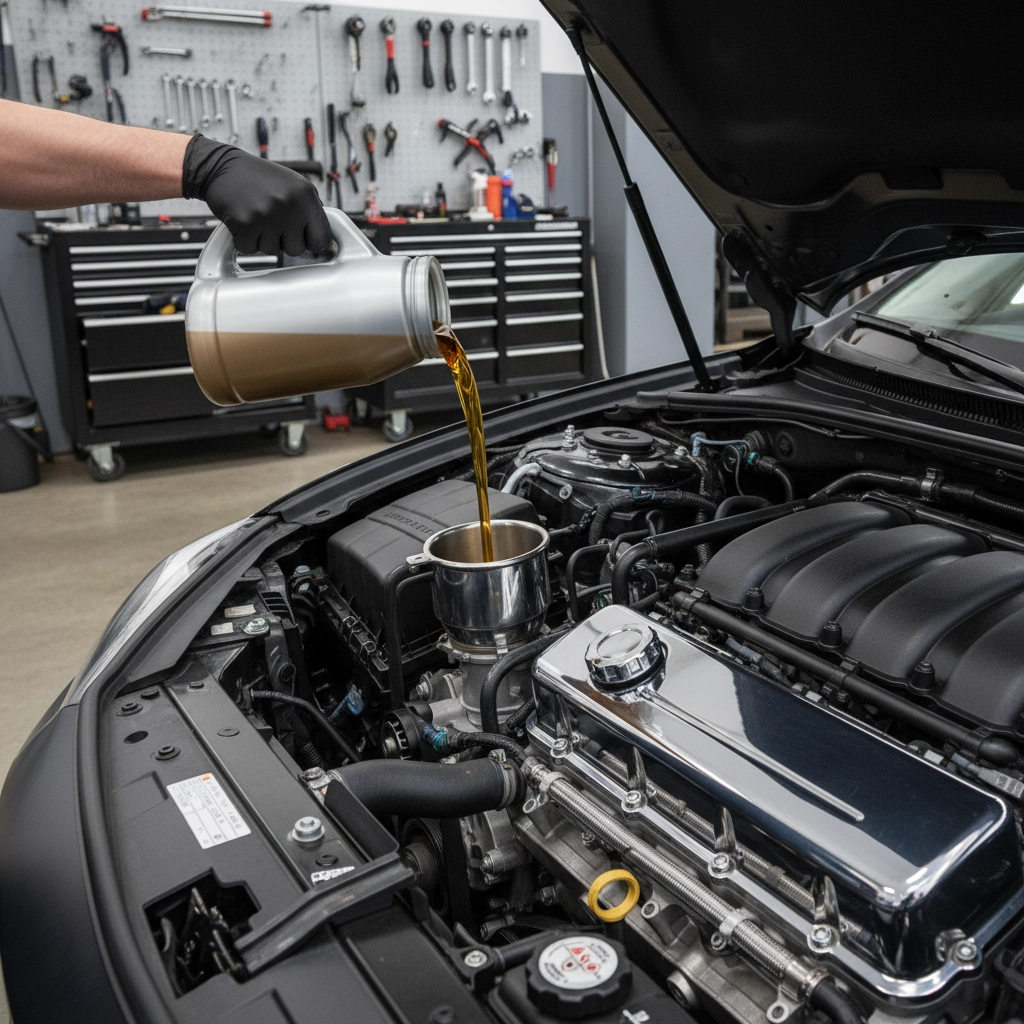
Here's the truth: your engine oil is working harder than you think. It's not just lubricating moving parts – it's carrying away heat, collecting dirt and debris, and preventing metal-on-metal contact that would destroy your engine in minutes.

When you skip oil changes or push them too far past the recommended interval, that oil breaks down and becomes contaminated. What started as smooth, protective liquid turns into thick sludge that can't do its job. The result? Engine seizure, bearing damage, and repairs that can easily cost $3,000 to $8,000 or more.

The Fix: Follow your manufacturer's oil change schedule religiously. Most modern vehicles need oil changes every 5,000 to 7,500 miles, but check your owner's manual for specifics. If you drive in stop-and-go traffic, extreme temperatures, or dusty conditions, you might need more frequent changes. Don't wait until that oil change reminder light comes on – schedule your next appointment before you need it.

image_1

2. Ignoring Tire Pressure and Rotation

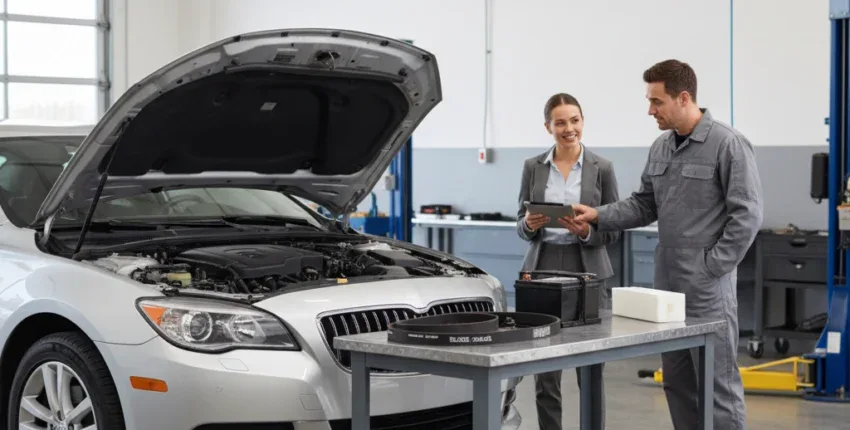
Your tires are literally where the rubber meets the road, yet they're often the most neglected part of vehicle maintenance. Under-inflated tires don't just hurt your gas mileage – they create dangerous heat buildup that can lead to sudden blowouts on the highway. Over-inflated tires reduce your car's contact with the road, making it harder to stop and steer safely.

But here's what really hurts your wallet: improper tire pressure causes uneven wear patterns. Instead of getting 50,000 miles out of a set of tires, you might only get 30,000. With quality tires costing $600 to $1,200 for a full set, that premature replacement adds up quickly.

The Fix: Check your tire pressure at least once a month using a reliable tire gauge. The correct pressure is listed on a sticker inside your driver's side door frame – not on the tire sidewall. Rotate your tires every 5,000 to 8,000 miles to ensure even wear. Most tire shops will do this for under $50, which is a lot less than buying new tires early.

3. Putting Off Brake Maintenance

Your brakes give you plenty of warning before they fail completely, but too many drivers ignore the signs. That high-pitched squealing when you stop? Those are wear indicators telling you it's time for new brake pads. That grinding noise? That's metal-on-metal contact, and you're now damaging rotors along with pads.

When brake pads wear down completely, the metal backing plate grinds against your rotors, creating grooves and heat damage. What could have been a $150 pad replacement becomes a $600+ job requiring new rotors. Wait too long, and you might need to replace the entire braking system.

The Fix: Have your brakes inspected every time you get an oil change. Don't ignore squealing, grinding, or vibration when braking. If your brake pedal feels spongy or travels farther to the floor than usual, get it checked immediately. Early brake pad replacement is always cheaper than rotor replacement. For expert brake service, you can learn more about choosing the right brake repair service.

image_2

4. Dismissing Dashboard Warning Lights and Strange Noises

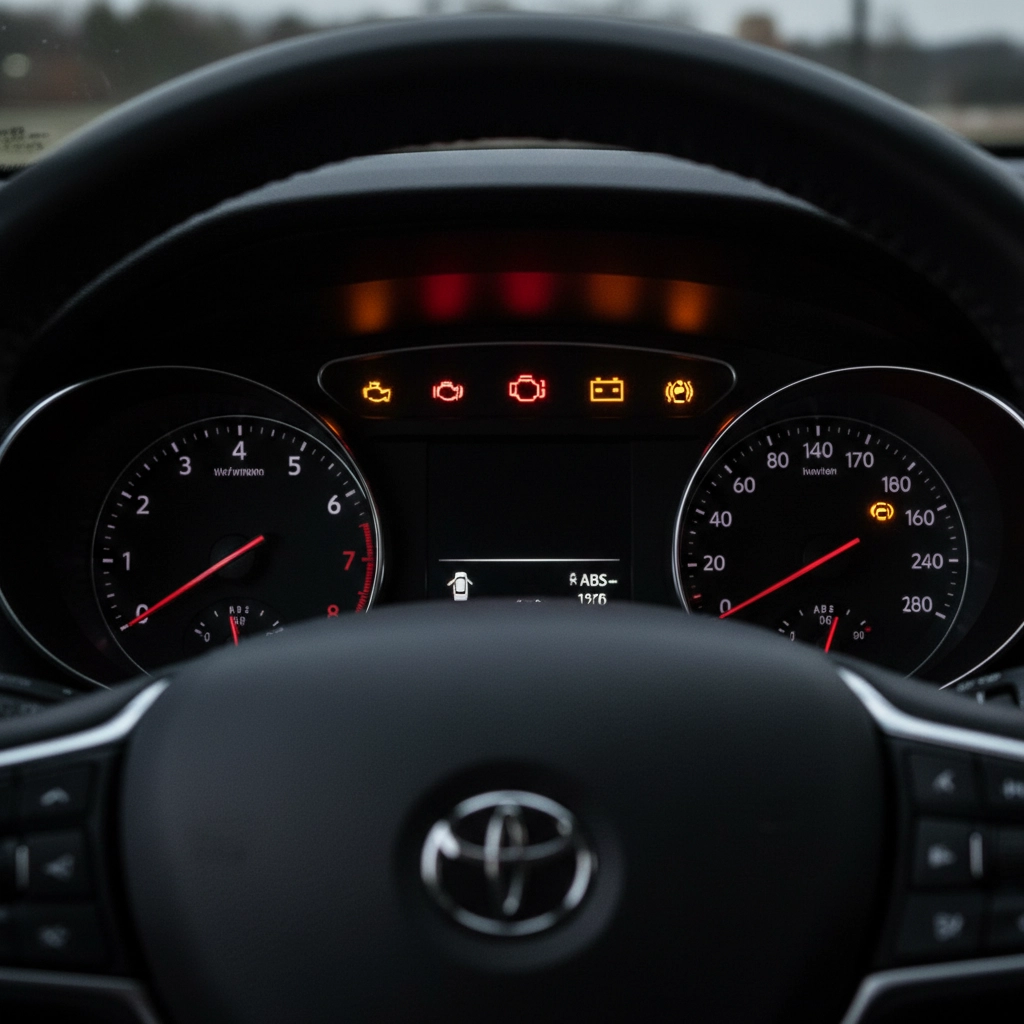
Modern cars are equipped with sophisticated computer systems designed to warn you about problems before they become catastrophic. That check engine light isn't just a suggestion – it's your car's way of telling you something needs attention now, before it gets worse.

The same goes for strange noises. That squealing from under the hood might be a worn belt that costs $50 to replace. Ignore it, and that belt could snap, leaving you stranded and potentially damaging other engine components. Those clicking sounds when you turn could indicate worn CV joints – a few hundred dollars to fix now, or over $1,000 if they fail completely.

The Fix: Never ignore dashboard warning lights or unusual noises. Modern diagnostic systems can pinpoint problems before they cause major damage. When a warning light comes on, have it diagnosed promptly – even if the car seems to run fine. Strange noises are often the first sign of impending mechanical failure. For comprehensive diagnostics, check out our guide on how regular engine diagnostics can prevent major repairs.

5. Overestimating DIY Skills

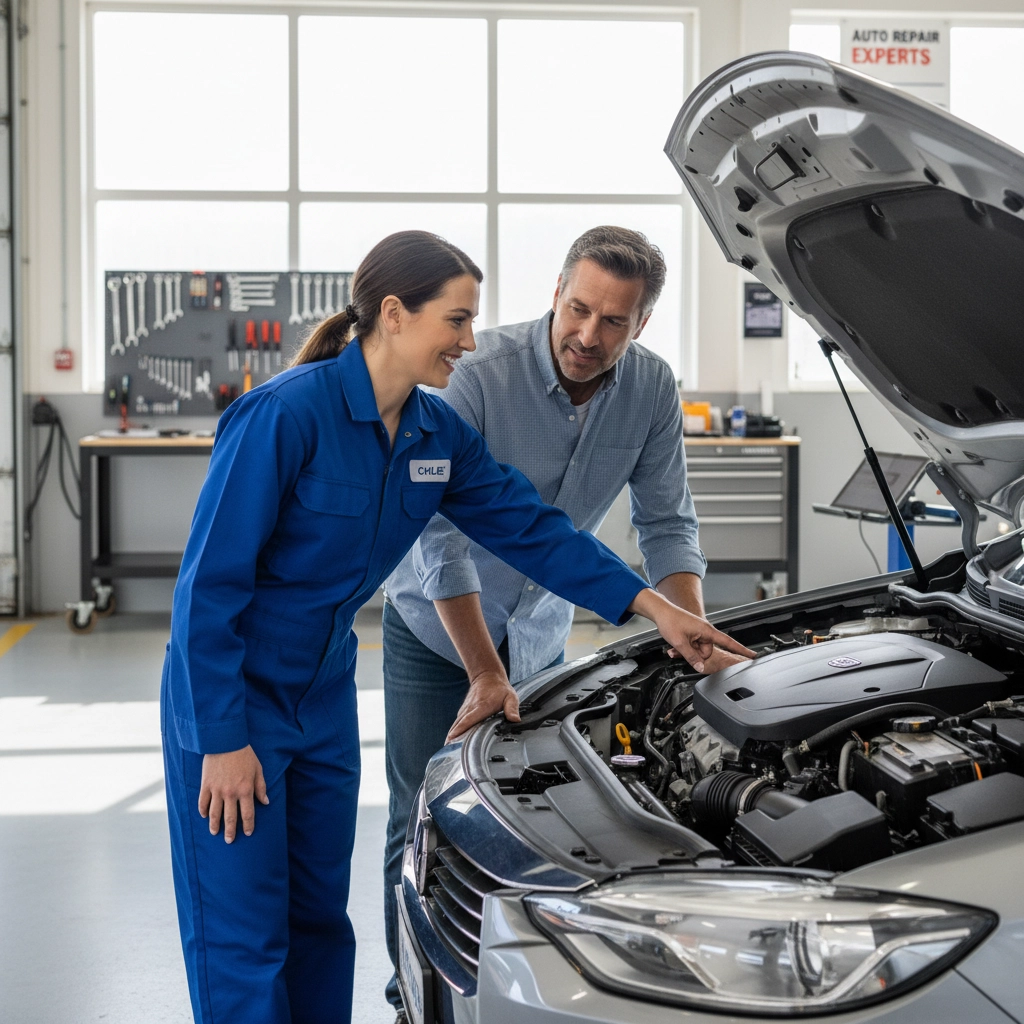
We get it – YouTube makes everything look easy, and saving money on repairs is appealing. But automotive repair requires specialized tools, knowledge, and experience. What looks like a simple job can quickly become complicated when you discover additional problems or realize you're in over your head.

DIY disasters we see regularly include stripped drain plugs from over-tightening, wrong parts installation, and electrical damage from incorrect procedures. These mistakes often cost more to fix than the original problem would have cost at a professional shop.

The Fix: Be honest about your skill level and stick to basic maintenance you're confident about – checking fluids, replacing air filters, or changing wiper blades. For anything involving the engine, transmission, brakes, or electrical system, consult professionals. When you do attempt DIY work, use proper tools, follow manufacturer procedures exactly, and don't be afraid to ask for help if you get stuck.

image_3

6. Neglecting Battery and Electrical System

Car batteries don't usually fail gradually – they often work fine one day and leave you stranded the next. But there are warning signs if you know what to look for. Slow cranking, dim headlights, or a battery that's more than three years old are all signals that replacement time is approaching.

Beyond the inconvenience of being stranded, a failing battery can damage other electrical components. When a battery struggles to provide adequate power, alternators work harder and can burn out prematurely. Voltage fluctuations can also damage sensitive electronic modules, leading to expensive computer replacements.

The Fix: Have your battery tested annually after it's three years old. Clean corrosion from terminals regularly – that white, crusty buildup prevents proper electrical connection. If you notice slow starting or dim lights, don't wait for complete failure. Replacing a battery proactively costs around $150, while replacing an alternator damaged by a failing battery can cost $500 or more.

7. Using Wrong Fuel and Ignoring Fluid Maintenance

Your car's engine was designed for a specific octane rating, and using the wrong fuel can cause problems. While using higher octane than required won't hurt anything (except your wallet), using lower octane in a car that requires premium can cause engine knock, reduced performance, and long-term damage.

But fuel isn't the only fluid that matters. Coolant prevents overheating and freezing, brake fluid ensures safe stopping, and transmission fluid keeps your transmission shifting smoothly. Neglecting these fluids or using the wrong type can lead to complete system failures costing thousands to repair.

The Fix: Always use the fuel octane rating specified in your owner's manual – you'll find it on a sticker inside your fuel door too. Have all fluids checked and changed according to manufacturer schedules. Don't assume all fluids are the same – different vehicles require different specifications. When in doubt, consult your manual or a trusted technician. Learn more about choosing the right oil and filter for your vehicle.

Don't Wait Until It's Too Late

The common thread in all these mistakes? They're all preventable with regular maintenance and attention to warning signs. The few hundred dollars you spend on routine maintenance can save you thousands in major repairs down the road.

At Hillside Auto Clinic, we've seen firsthand how these simple oversights can turn into expensive headaches. That's why we focus on honest, preventive care that catches problems early. We'd rather help you avoid a major repair than profit from one after it's too late.

Ready to get ahead of potential problems? Our experienced technicians can help you develop a maintenance schedule that fits your driving habits and budget. Contact us today to learn more about keeping your vehicle reliable and your repair costs manageable.